At present, cold and cold leaves in the southern part of the country are in the process of changing, early and early spring plastic bushes are in the process of growing rapidly and in part into harvest, while the southern and southern south-western hot areas are in the process of harvesting. In response to the current weather conditions and the characteristics of vegetable production in the south, the department of plant management of the ministry of agriculture and rural development organized the national agricultural technology promotion service, the agricultural and rural ministry's vegetables expert steering group, and the national system of technology for large vegetables industries to develop technical guidance for the management of vegetable production in the south。
I. Plastic shed vegetables in the yangtze basin and south
Vegetables in the field are dominated by hot vegetables such as pre-spring eggplant fruit, melon beans and peri-urban vegetable vegetables, with a focus on the management of the temperature and humidity of the shed to prevent the adverse effects of the “cooling of the spring”。
(i) cold-proof breeding. Potatoes, peppers, eggplants, cucumbers, bitter melons, tarts, etc. Are vulnerable to cold and cold temperatures. Control of precipitation and application of a protective microbicide began a week before the onset of the cold. When the tide lasts for a long time, it is possible to add additional light lights to the shed to add to the temperature or to pre-position the hot line. In the event of a disease during the period of seedlings, the trophication or bed can be dispensed with ash-mixing agents, the sapling of dead seedlings can be done in a timely manner, and supplementary feeding can be done。
(ii) the planting of seeds in due course. Seize the “cold end” and soybean vegetables, such as cabbage, pickles and guacamole, are grown in due course, with tomatoes, peppers, eggplants and cucumbers, bitter melons and beads. Vegetable pulses are broadcasted to cover the membrane and to increase temperature protection against grass. In the event of a cold wave, the sheds were reinforced and sealed in time, and the sheds were built with a middle shed, and a small arch shed was built at night. The temperature is also protected by materials such as straw curtains, sunnets and twirls, as well as temporary heating equipment such as light lamps, heat blocks and so on, if necessary, in the sheds。
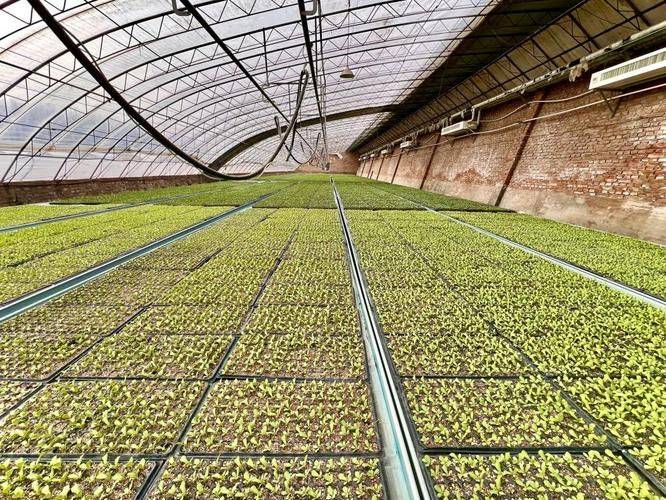
(iii) precise temperature and humidity control. In the event of rapid warming and warming in the spring, especially in the event of sudden warming in the wake of successive rains, measures such as early ventilation, increased ventilation or covered sun cover are implemented in a timely manner to regulate the rate of temperature increase in the large sheds. In the event of a sharp atrophy of the plant, the sun is moderately covered and the leaf is sprayed. It is good to water in the middle of the morning, to watch the frequency and volume of water, to keep “soil wet and dry” and to guard against flooding. Sealed the sheds with water, the temperature in the sheds was raised, and the ventilation and humidity were delayed until the temperature rose。
(iv) enhanced vegetable care. In accordance with the principles of “control of nitrogen fertilizer and increase of potassium fertilizer”, “small, multiple, thin and indigence” the use of nitrogen fertilizer is appropriately reduced, the use of phosphorus potassium fertilizer is increased, and the amount of trace elements such as beryllium, magnesium and iron is increased in due course. • to remove the old, yellow, sick and weak leaves from the lower part of the plant in a timely manner. Insects such as aphids, white-coloured lice and zeach fly, blue-board steroids, sexual baits such as night moths and vegetable moths are used for chemical control, when necessary, using highly effective low-toxic and low-residency pesticides. Vegetables, which are green in large sheds, are collected in a timely manner before the onset of cold tides and are beginning to control precipitation, can be sprayed with protective microbicides and can be used to prevent the occurrence of leaves such as frost, ash。
(v) coping with cold tides. Before the onset of “spring cold”, the resistance of plants can be enhanced through full-nutrient foliage fertilizer such as leaf spraying, algae acids and plant-based growth regulators, with care to control the frequency and quantity of water recharge and temporary light recharge if necessary. When temperatures return to warming, air should be ventilated in due course to reduce air moisture and increase co2 concentrations in the shed. Vegetables are frozen, which can be remedied by spraying water on aging plants or 1 per cent of glucose or 1 per cent of algae acid solutions, etc., and by spraying leaf cover with plant growth regulators, such as potassium phosphate or thate esters, of 0. 2 per cent, to facilitate the restoration of plantations as soon as possible。
Ii. Veterans from the yangtze basin and the south
In addition to the southern hot zone of china, in the fields and vegetables, the main focus is on cold and cold cross-fruit and garlic, with emphasis on connecting and preventing the spread of pests and diseases。
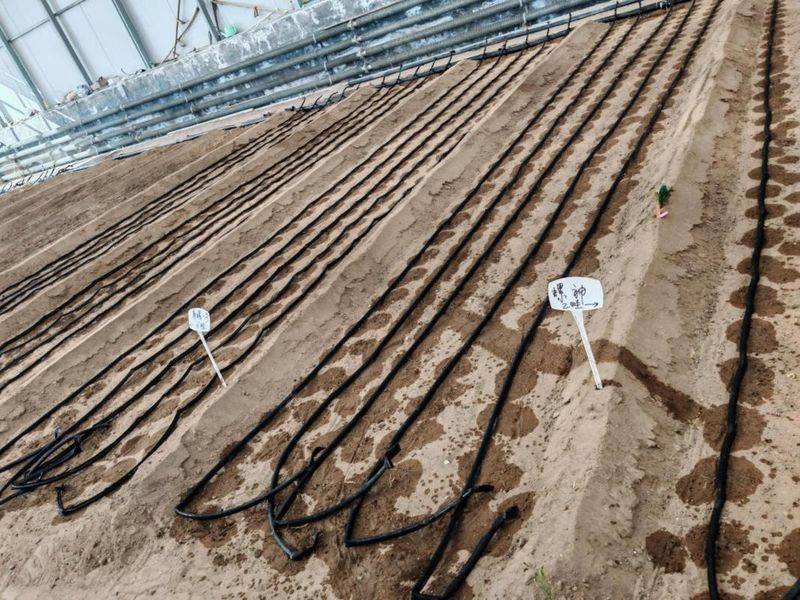
(i) timely collection and marketing. In the event of rain and snow weather, such as field greens, spring cabbage, sprouts and cabbage, red cabbage, garlic seedlings, onions and beryllies, care is taken to clear the gutters; catch them when appropriate at appropriate prices, prevent the pumping of crack balls, and lay them down as soon as possible。
(ii) cultivation at the appropriate time. In march-april, timely arrangements were made for spring field vegetable planting. Precipice crops are cleared, fully decomposed organic fertilizers are applied, and the whole trunk is ploughed using deep ditch highs, and membranes are laid to increase the temperature of protected grass. The soybeans, the four seasons of beans, the soybeans, etc., can be retreaded, and when the soil is sprouts out, the membrane cover is timely. The seedlings of eggplant fruit and melons are selected to undergo a shift of cultivation, with wide and dense planting, proper watering and timely replanting of seedlings。
(iii) rational fertilizer preparation. Rational determination of the ratio of base and catch-up fertility, control of nitrogen by type of vegetable, phosphorus fertiliser, which is dominated by base fertilizer, which is 3/5 to 2/3 and nitrogen and potassium fertilizer, which is 1/5 to 1/3. Co-opt calcium or calcium phosphorus。
(iv) scientific pest control. Consistent with the principles of prevention and integrated prevention and control, the rational use of physical, biological and chemical methods to combat pests and diseases, the application of appropriate leaf-face fat in spraying, increased resistance to plant cultivation and increased growth. (c) timely screening of physico-diseases due to frequent cold-heating or inappropriate application of fertilizers in the spring, and measures to alleviate the conditions。
Iii. Management of vegetable production in south-west china
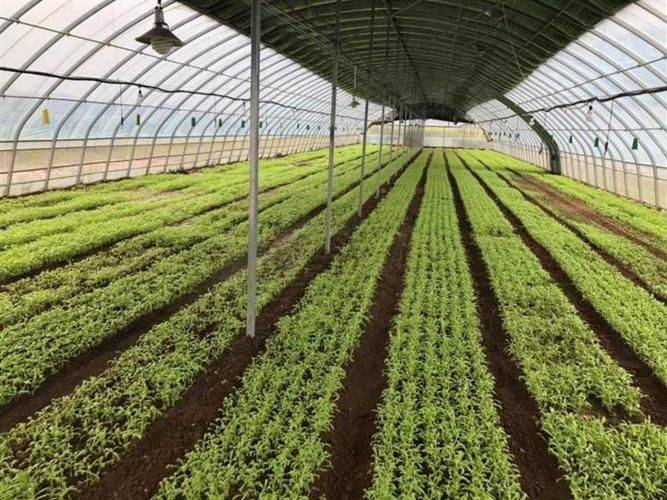
Vegetables in the field are mainly based on open-dwelling, warm vegetables and guacamole vegetables covered by the small archer sheds of the early spring, with a focus on bridging them to prevent short-term, low-temperature and continuous rainy weather from adversely affecting vegetable production。
(i) early collection and marketing. As the temperature rises, appropriate water management is done according to crop type, balanced application of fertilizers through spray, microspray or drip irrigation, promotion of plant growth, timely harvesting and marketing, and avoidance of delays in marketing along with similar vegetables in other regions。
(ii) strengthening connectivity. Upon completion of harvest, the fields are cleaned and the waste, such as tails and vines, is scientifically treated. The plots requiring summer and autumn vegetables should be tanned as soon as possible, with increased application of fully decomposed organic fertilizers, biobacterium fertilizers, etc., and improved soil power conditions and preparedness。
(iii) cultivating seedlings. Vegetables can be grown with a lacquer light-based seeding technique, while leaves can be bred with floating seedling techniques to maintain appropriate nursery density. Strengthen the management of the temperature and humidity of nursery grounds, pay close attention to weather forecasting, prevent young children from being affected by spring fallout, enhance ventilation and humidisation, and prevent incubation. Pest resistance nets are installed at the wind mouth of nursery facilities. As the temperature rises, saplings are prevented by measures such as light recharge and application of growth regulators。