


In recent years, xinjiang and sukaku districts have been active in developing “red” niche industries such as tomatoes and peppers, along with the development of medium-sized drug cultivation such as wind protection, with an area of 220,000 acres of special crop cultivation throughout the county. In order to improve industrial efficiency, the county has focused on building a chain of chili and tomato industries and promoting industrial development, while promoting new modes of supply and demand for chinese medicine, promoting a shift from chinese medicine cultivation to intensive production, and building chinese medicine as a new engine of economic growth, along the lines of “leading, leading upstream, downstream, matching and clustering”。
Tomato red - extension of industrial chain and processing for increased revenue
In 2023, more than 20,000 acres of tomato were grown in the districts of suktai, with total tomato production reaching 250,000 tons. There are six tomato processing enterprises in the county, and the tomato industry has become one of the prefectural niche industries。
It has a unique advantage in tomato cultivation, where tomato erythromatide is high and solid matter is abundant, allowing tomatoes to produce more sauce and improve the quality of their products when they are processed into ketchup。
At present, drip irrigation has been used on all agricultural land in new targe village, nueva targe. In tomato cultivation, drip irrigation has significant advantages in saving water, saving labour, maintaining soil structures, improving product quality, controlling temperature and humidity, and being adaptive。
Fan ming feng, a farmer in the village of new targe, said: “we apply key fertilizers such as bacterial and potassium fertilizer simultaneously during tomato irrigation, which can reduce the waste and loss of fertilizers and increase their utilization.” it's been 15 years since van ming peak planted tomatoes. Last year, he planted 60 acres of tomatoes, yielding 8 tons per acre and earning $2,100 per acre, and in 2023 alone, his net income from tomato cultivation exceeded $120,000。
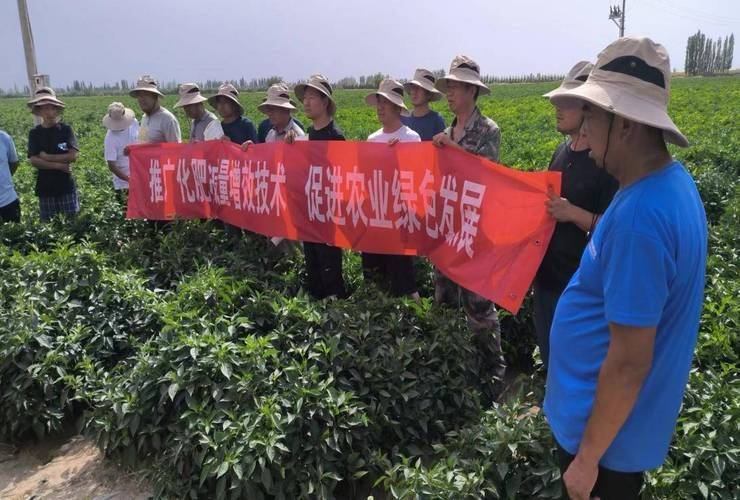
There are now four varieties of tomato seedlings, such as “stage 43”, “streasure 3311” and “streasure 1865”, in the village of gudrun atz, new targe. Since its inception in 2006, shuanjiang has been able to sell 5. 12 million tomato seedlings each year, with a net annual profit of $100,000. From two nursery sheds in 2014 to four today, a lot of work has been done in building the border。
The xinjiang and seng ding foods limited company, located in the suhart commune of sukhat, is the leading agricultural industrial company in the autonomous region. It now has a mature capacity to process tomatoes, with strict technical control over every link, such as unloading, washing, gathering grasses, de-seeding, juice and high temperature fungi。
In 2023, the company purchased 150,000 tons of tomatoes from local sources at an average cost of $0. 75 per kilogram for the production of ketchup, and last year alone it processed 17,000 tons of ketchup, of which the company paid 85 million yuan in raw materials to growers。
The company's tomato acquisitions are based on the purchase order model, and the acquisition criteria are clearly defined in the contract. “we will determine the purchase price based on indicators such as the chrysanthemum rate, impurity content, black spots, pesticide residues, etc., so that each grower can sell the tomatoes at the appropriate price.” the chairman of tintin, jiang wenbin, said。
Paprika - high standard, demanding, high production and high quality
In recent years, the prefectures of suk have been insisting on the promotion of the chili industry and have been fully engaged in promoting its upgrading from a decentralized to a centralized whole-industry chain. The scale of chili cultivation in the districts has remained stable at over 100,000 acres annually, with dry pepper producing an average of 580 kg per acre. With ample light and less rain and snow, the local gobi beach has become a “natural sunbath” of pepper, which is dryed up in sufficient quantities not only to preserve but also to extend its shelf life。
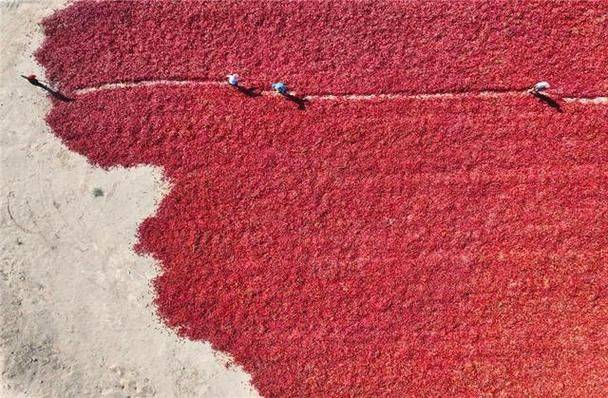
More than 80 per cent of the farmers in the village of zulumen sool in tahachi district are growing peppers. Mae chao has been growing pepper since 2015 and is now home to him. In 2023, he was shifting land to plant 1,000 acres of pepper. “last year i planted chili, sold to the merchants of shandong at $12 per kilogram, with a net profit of $3610 per acre, so my net profit was about $3. 6 million last year, because it was better。
The demand for chili picks is particularly acute as a seasonal labour-intensive job. As the surplus labour force is limited, finding chili pickers is a challenge during the harvest season. In order to address this problem, sukkok county has made a major effort to bring in workers from the south frontiers and set up staff service points。
In 2023, the number of labour workers introduced throughout the county reached 3,000. “these services not only provide them with a standardized accommodation environment, but also with the necessary living facilities to ensure that they have a comfortable resting place beyond their busy working hours.” zulumen sool, the chief secretary of the party and head of the village council in the town of tahachi, sun honglang, said。
In xinjiang, workers are busy cleaning, selecting, drying and hand-picking peppers. In 2023, the company purchased more than 6,000 tons of chili from growers at an average cost of $11 per kilogram and produced more than 4,000 tons of chili, pepper shredding, pepper powder, oil, etc. Through local processing。
In order to bring its products up to the import standards of eu countries, the enterprise planted 3,700 acres of chili through land transfer in 2023. The company specified the type, dose and timing of use of products such as herbicides and oxytocin, so that all products selected for use would meet eu import standards to guarantee the quality and production of chili。
In order to guarantee the income of growers, the company has set strict and detailed acquisition criteria when purchasing chili. During the acquisition process, the company assesses key indicators such as the appearance, bar formation, consistency of size, moisture content and impurity content of chili and uses them to determine the purchase price. “uniform acquisition standards not only help maintain market order and avoid price distortions, but also motivate growers to constantly improve their cultivation techniques and management, thereby contributing to the healthy development of the whole pepper industry.” xinjiang red biotech limited, director of the office, song qiu ju。
Xinjiang luang biotechnologies ltd., located in the piprika industrial cluster of multimodal transport logistics parks in shouzhou, has been in the area of pepper processing since 2012, with an annual production capacity of 30,000 tons. In 2023, the company processed over 4,000 tons of products such as pepper particles, pepper powder and peppers. In addition, the company imposed strict requirements for the drying of peppers. "piprika needs to flip when it's dry, or the aroma will be overrated. In the event of a rainy day, the chili should be covered in a timely manner, otherwise its quality may be reduced. Zhang mingping, chairman of the board of directors of macro。
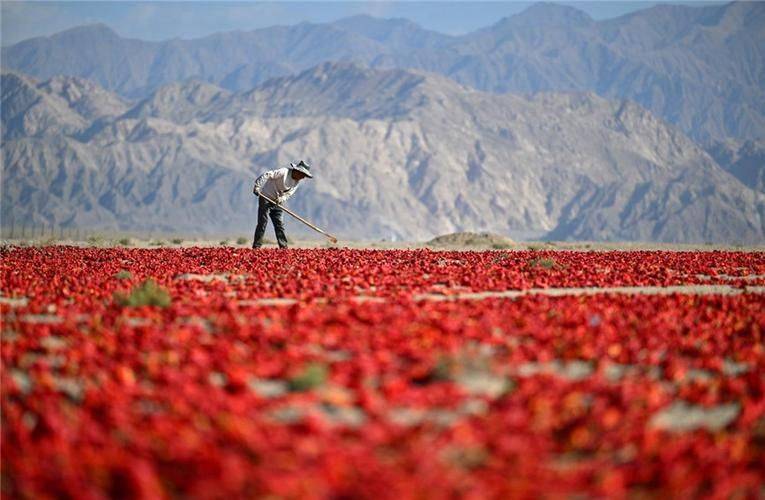
Chinese medicine "money" — technical guidance added to the order, and the drug is grown into a "gold goose"
Suk-chul, which is part of the warm-temperature zone of the continental dry climate, with abundant sunlight, drought and low rainfall, high day and night temperature, sandy soil, suitable for herbal cultivation, such as yellow platinum, sweet foliage, windproofing, and ground root, with high production of herbal herbs, high active content and high efficacy, are the main raw materials for common drugs such as yellow tungsten, lysage cream, lysage acid and plate-blamp particles, with very high development prospects. At present, more than 36,000 acres of all types of chinese medicine have been planted throughout the county。
Tang tenana, the grower in shaizu village, municipality of ushtara, has been planting windproofs since 2016. In 2023, she planted 1,300 acres of wind-proof kits with a net income of $4,500 per acre. Of these, wind-proof acre production reached 300 kg。
Thanks to the good harvest of last year, donna planted 1,400 acres of windproofing, 400 acres of plate blue root and 300 acres of bitter gin this year. “the high value and market demand of drugs such as windproofing and ground root make them very economically efficient.” donna said。
The technical staff of the shou county agricultural and rural bureaus will visit the village each year to provide technical guidance to improve the quality and production of medicinal products in the growing families. In 2023, with the support of the agricultural rural authority, tang tena opened a professional cooperative of herbal farmers on xinjiang silk road. In the past year, cooperatives have grown over 2,000 acres of four types of chinese medicine, including windproofing and scavenging. This year, cooperatives have entered into purchase contracts with enterprises to sell the harvest wind at a price of $16 per kilogram. In order to reduce the cost of growing chinese herbal medicine, the cooperative community has been able to purchase agricultural resources, such as seeds, pesticides and fertilizers, at a more favourable price, which has been reduced by 15 per cent this year. In addition, cooperatives further improve the quality and production of chinese herbs by strictly screening agricultural brands to ensure that farmers use high-quality and efficient pesticides and fertilizers。
The secretary of the party of the suk county agricultural rural bureau, yoon sung-woo, said: “in the future, suk-chul will do niche industries, such as chili and tomato processing, with moderate development and local specialty cultivation of chinese medicine, in an effort to make chinese medicine a niche industry for economic growth in the county and for farmers to grow.” (marang lee do-jin)



