The breeding technique of the monkeys
12 october 2012 14:37 source: abstract of the nonbot article: cultivation of the country's origin is a new fruit tree in the world because of the exceptional abundance of vitamin c in its fresh fruit. In the fruit, apart from vitamin c, which is several times to ten times higher than apples and sweet oranges, it also contains...
Value of cultivation
My country is born of monkeys that are particularly rich in vitamin c in their fresh fruit, and have become an emerging fruit tree throughout the world. In addition to vitamin c, which is several to ten times higher than apples and sweet oranges, the fruit contains vitamin p (i. E., lutin) and protein decomposition enzymes, which reduce blood pressure and help digestion as a healthy and nutritious food. In terms of medicinal value, according to modern medical clinical trials, fresh fruit and juice have some preventive and supportive effect on diseases such as leprosy, digestive tract cancer, hypertension and cardiovascular disease。
In addition to harvesting fruit, the monkeys are desirable as decorative tree species for buildings such as the courtyards, bouquets, green fences, etc., and are ideal climbers. At present, with the exception of hotels in large cities, the market has less supply of high-quality monkeys and needs to be developed。
Main categories and varieties
There are many species of plants, with the largest fruit and the highest economic value being chinese and delicious. The hair on the fruit is short and soft, and the fruit is almost completely removed when it matures, so the skin is smoother (and sometimes rougher); the hair on the fruit of the sweet monkey is thicker and sharper, and it is late when it is ripe, so the skin is rougher and generally more resistant。
The monkeys were born in the forest, and we planted them later. In recent years, a number of fine strains and varieties have been chosen from wild wild monkeys and imported varieties. Among these are excellent varieties (stamps) that are comprehensive and resistant to storage, i. E., zhangshan, quimei, kim fung (jangxi 79-3), wushi no. 3, henan govi, hubei tung mountain no. 5, yixia, zhuiqi, etc., which in many ways outpace hayward, new zealand's good species. In addition, kim qi and seo-heang are better integrated varieties (stamps). Joanlu is a fine processed juice. Hayward is the first species to be introduced from new zealand, known for its taste and durability, with low yields. In recent years, several good male pollination varieties have been selected and introduced。
The standard of a good variety (stamp system) requires, in addition to the appearance and intrinsic quality of the fruit, some durable storage of the fruit, which can be stored at constant temperatures for more than 10 to 15 days (i. E. Shelf life) while the fruit remains soft. Local seeding also needs to be adapted。
Growing results habits
The monkey is a tree with a falling leaf, with an anti-clockwise entanglement at the front end of the long branch, which can be attached to other plants or stubbles. The growth of the new year is large, sometimes more than 3 metres in size, so that the shelf can be filled quickly and at the end of the post-growth period it can die. The roots are of a physical nature, the principals are underdeveloped, the roots are shallow and wide-ranging, and they are particularly developed and resistant to drought and floods。
It usually starts three to five years after planting. After the larvae reach their age, one year of chrysanthemum is easily formed, and the rest of the branches, with the exception of the long-born foliage, can be the result, with the next year's flowering. The long and strong parent branch starts with section 2-3 of the foundation and can form a hybrid sprouts between herbs of more than 20 knots, with the best new results with a mixed sprouts in the centre, with a lower incidence of fresh results after 15。
Monkeys are male and female plants, and occasionally female and male plants. Although both sexes are morphologically flowered, the male strain is small, the sub-houses are degraded and pollen is abundant, and the female strain is large and macho. Most females are born alone in new leaves and more in the second to sixth leaves. Females are generally given fruit after pollinating, with very little physical failure. Each result has two or five fruits. The outcome of the medium- and long-term branches is often a continuous result of the second-year outcome. Whether it is long, medium or short, the upper part of the result becomes blind (sprouts) because it is not budding。
Technical characteristics of cultivation
1. Reproduction. The production of trees is mostly based on the practice of graft or adhesion in order to preserve the mother's good caste and control the ratio of female to male branches of the trees. Gems tend to grow from seeds。
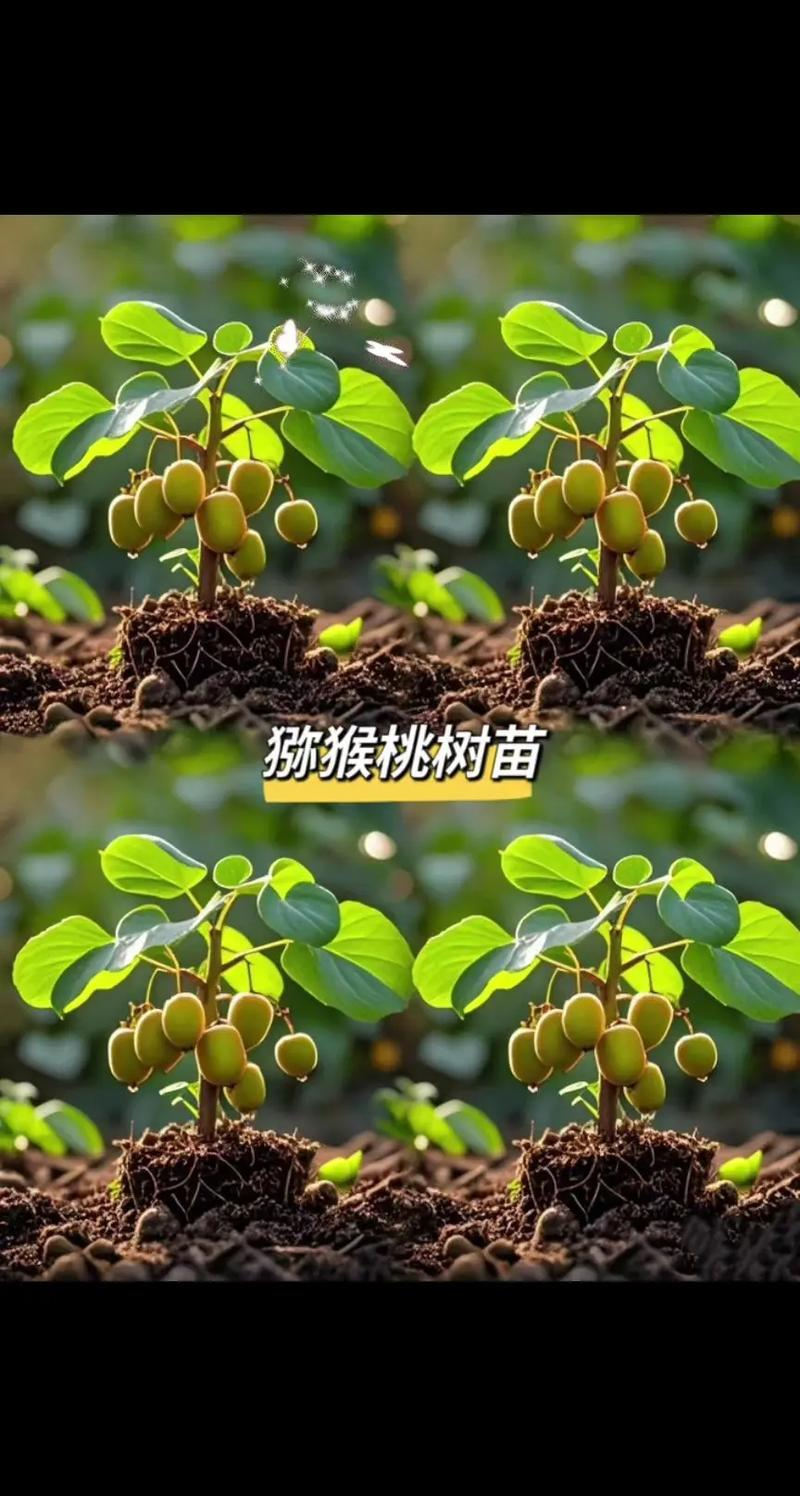
The seed is small and must be carefully grown. Select the full maturity of the fruit and then remove the seed after it has become soft and wash it in storage. The seeds were immersed in warm water for two to three hours 40 to 50 days before seeding, followed by low-temperature sand in small containers. Packagings can be placed in cold areas of the back, covered with straw, and the seeds can be flipped up and down about 20 days later, so that the humidity is even and the air is ventilated. When 30 to 50 per cent of the seeds begin to appear, they can be planted in mid-march or mid-march in the central and downstream areas of the yangtze river. Seeds are immersed in a 100-per-million (100ppm) accumulin solution for a period of six hours before planting, and then sowing increases seed yields。
They have low levels of soil, so the bed is thin and the surface flat. Before seeding, the water is pumped into the body and then soaked under water. Broad bands are generally available at 15 cm range and 20 cm bands. Each square metre covers about 1 gram of seeding, mixed with wet sand from the sand. Covered with straw or plastic film. If the soil lacks water, it needs to be sprayed with a canteen in time. Seeds usually reach their roots for about seven days and seedlings for about 15 days. This should be done in a timely manner so as to ensure smooth seeding. The seedlings are insatiable for strong light exposure and are required to build up a front shed to cover the sun properly。
The seedlings grow to two to three real leaves once and gradually remove the shades. Saplings are established at a distance of 10 to 15 centimetres between 4 and 5 leafs. Small seedlings from time to time can be used to fill the gaps. When the seedling base is 0. 6 cm in diameter ~ 1 cm in diameter, it is available for marriage. Bridging can be done between june and august, and in the spring, it can be done, with care to avoid the onset of the injury。
It's also often used to breed monkeys. During growing up, green branching with leaves is more likely to take root than hard branching in spring. In bed, however, a shampoo must be built to keep the temperature warm. Care is taken to separate and reproduce the female and male strains and not to mix them with each other in the case of indoctrination。
2. The climate conditions for the planting and flavouring of chinese monkeys and delicious monkeys are warm and humid and are well grown and more adaptable in fertile, well-watered and perishable soils. Cultivation is best developed in the river basin, especially in the hilly mountains。
During the planting of the monkeys, the female and male strains are usually grown at a ratio of 8 to 1, evenly distributed. The planting distance varies from one-fence to three to five metres in rows and two to four metres in stands, with 500 to 1600 plants per hectare. Horizontal shanar cultivation, with a distance of 4 to 6 metres and a distance of 4 to 5 metres, with 330 to 620 plants per hectare. At present, there are more single fences in production. In addition, a 1-1. 5-metre-long beam is placed on the top of a single fence, where wire is drawn to form a t-shaped shed. This configuration will make full use of space and increase production per unit area. In recent years abroad, the v-shaped frame has been used, with two branches to climb to the left and the right on a 60-degree stairwell, suitable for planting high-yielding and organic farming. In jiangsujiang county, the fruit farmers use a stand-alone dry plasticization method, with bows or hangings for the main chickens, especially for the purpose of planting. Less investment in shelf materials. The specific configuration of the fence is in the grape i book。
3. Intangible and other management intangible trims vary according to the frame. In the case of fence-planting, a horizontal shape with a double arm may be used. When planted, a strong, growing chicken is chosen as the backbone, short from 10 to 15 centimetres below the first barbed wire. In the second year of winter, the branches extracted from the stubble continue to extend straight and cut below the second barbed wire, with two branches to the left and the right as the first stage of the chicken. In the following years, the second and third layers of the chickens are divided according to the requirements of the plastics, leading both sides. Each layer of main chicken leaves the result of the parent branch every 30 to 40 centimetres. New growth can also be accompanied by early discomfort, the promotion of branches that form layers of the main chickens and the outcome branches。
It is customary to trim the branches, which usually leave 10 to 15 knots for the strong branches that can be the result of the branches. When the number of branches is larger, a short three to four spade is left on some of them as a preparatory branch. A proper retention of the larvae can lead to early production。
The long and medium branches that have already borne fruit often produce continuous results, leaving two to four buds short above the end result in the winter season. The results are generally not short-lived in order to avoid drying up, and the need for weak growth needs to be removed. After two or three years of continuous results, the branches should be scaled up to the strength of the cadre. The long branches may be trimmed in accordance with their extraction, or leave short five to six stubbles as an updated branch. All thin and secret branches should be cut off during the winter season。
During growth, freshen up management and oozing. Cardiocrete and binding should be regularly taken before the branches are wooded and corroded, usually 15 to 20 knots per shelf space. In the case of second or third steps, two or four leaves are taken over and over again. The dynamic branches are removed from the base or entangled around 1 metre in order to inhibit growth and contribute to the filling of the next sprouts. When the whole tree flourishes, growth retardants, such as obituaries, ethylene or polyecstasy, can be sprayed before the new tree grows rapidly, leaving seven to eight leaves in front of the top fruit, or fixing the front bend to contain the top advantage. As a result, sprouts on the parent branch need to be properly removed, with one new result selected every 30 centimetres。
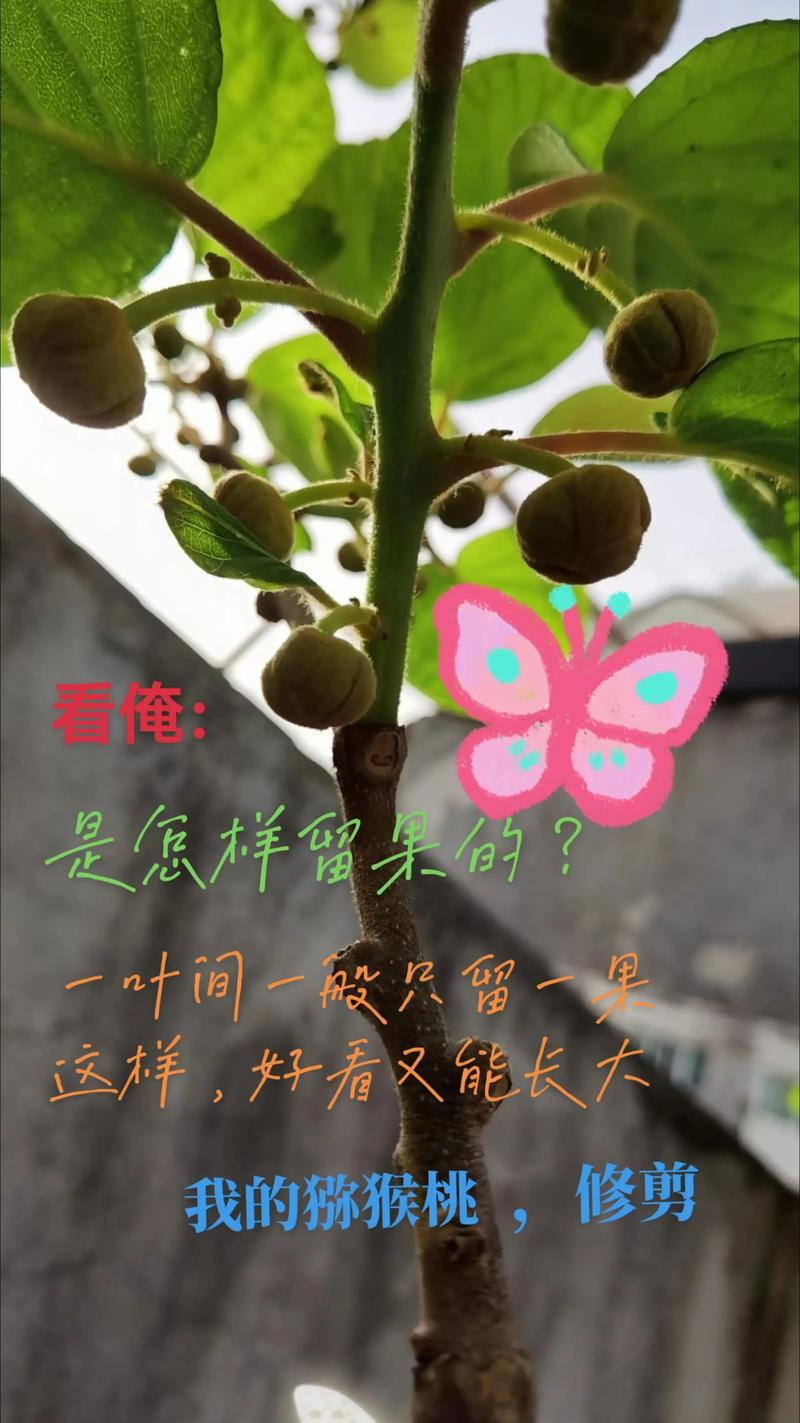
The monkey is a pest-camel. Artificially assisted pollination should be carried out in the event of low-temperature, stormy weather affecting insect activity. When the weather is too high, the ooze should be done early. In the same branch, the buds and berries that cut off the foundation were left with the upper one. The medium and long branches usually leave two to five fruit per branch, and the short branches leave one fruit or no fruit。
The application of base fertilizer can be made by reference to grapes. Fertilizers are applied 15 to 20 days before the bud and before the fruits grow, to promote the rapid expansion of buds, plant growth, new growth and fruit。
Major pests and diseases and their control
There are fewer pests and diseases for monkeys. Common diseases are lignoma and root dysentery. The common pests are mainly impregnable pests such as gold turtles, leafy worms, shellfish, velvet wax and fin moths. At present, there is little economic damage to production. Comprehensive approaches to prevention and treatment based on agriculture are generally available。
Collection, storage and processing
The outward changes are not apparent when the fruit matures, and when the fruit is big enough and the seed has grown brown, the fruit is ready to fall from the tree. The harvest is premature, the fruit tastes small and the waste rate during storage is high; the harvest is too late for the fruit to be soften and exposed to early frost. It is generally appropriate to harvest before the frost when the soluble solids of the fruit reach a concentration of more than 7 per cent。
The harvest takes four to seven days to be ready for consumption. However, once ripe, the fruit becomes soft and the shelf life is short. The fruits prepared for short-term storage should be collected when they are eight years old and treated with sm preservatives to reduce the hardness of the fruit and reduce decay. Storage should be cold and ventilated。
Our wild monkeys are extremely resource-rich and, in addition to their exclusive reproduction, they can be fully processed. The monkeys produce a lot of products, such as juice, jam, jam, jelly, etc. It is preferable to make jams because of the abundance of gum in fruit. Select the eight or nine ripe fruit as a raw material, wash it, then soften it and then go to the skin, and break the meat, without removing the seeds. In turn, 75 per cent of the sugar equivalent to the fruit will be filtrated with sugar, boiled first with one third of the sugar, boiled for 20-30 minutes with a big fire when it is added to the meat, and then added to the remaining sugar when it becomes transparent and free of white heart, and then boiled for 20-25 minutes, then boiled with a small fire, so as to avoid the curing of the pan. When radiometer sugar is 66% - 68% or tastes good, it is ready for short-term household use。