It is good to choose mountain areas where transport is easy, well-lighted, water-dependent, where rainfall is moderate and slightly wet, with loose, well-ventilated sandy, bordered or sandy soil, or hilly hills rich in decomposition。
I. Context
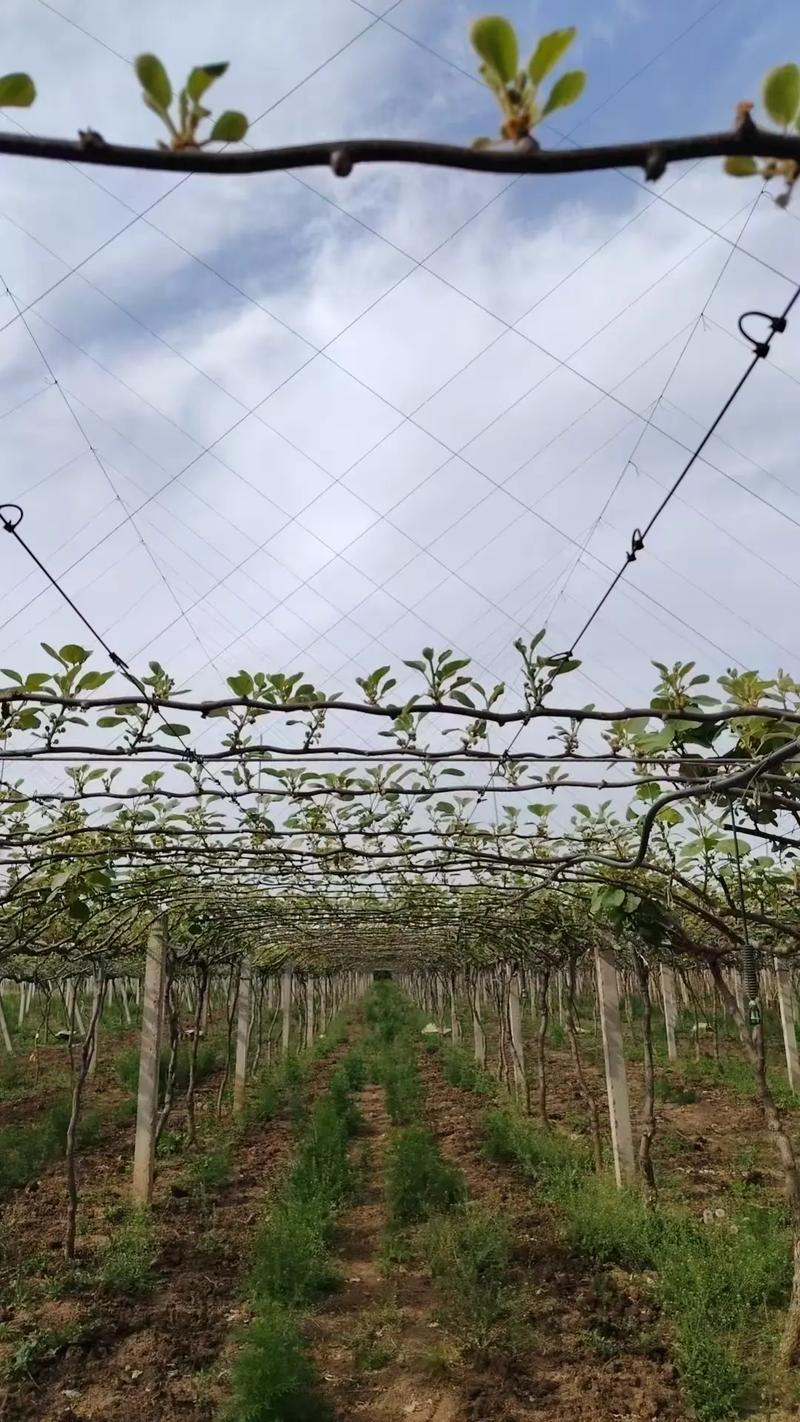
The main ways in which monkey cultivation takes place are through a t-shaped frame, a fence, a triangle, a large shed, etc. More flat roofs are used, where the old run-off trees are used as active stakes, with replacement of bamboo and wood, and concrete stakes are used in key areas. The on-site fence is 1. 8 metres high and crosses the “well” font network with barbed wire 10-12, which is approximately 60 cm apart。
Ii. Fertilizing
Fertilizers are determined by the species of the monkeys, the intended yield and soil fertility. Each plant in the pre-plant pit tank can be applied to a fruit tree at a rate of 2. 5 kg, with a small number of multiple fertilization methods applied to the larvae. This is followed by three fertilisations per year, one and two. The base fertilizer, which is winter fertilizer, is applied after the harvest of the fruit, with 20 kg of organic fertilisation per plant and a mixture of 1. 5 kg of phosphorous fertilization. The first fertilizer is applied after a bud, with 2kg per potassium nitrous phosphorus-applied compound to enrich the spring sprouts and the tree of result; the second fertilizer is applied before the boom, either in fruit wood or in compound fertilizer. Because the roots of the monkeys are the roots of the flesh, they are to dig in shallow ditches a little further away from the roots, so that they may not cause the roots to burn. Water must be pumped during the dry season。
Iii. Integrative shears and tectonics
The shape of the branches depends on how they are mounted, making full use of the surfaces and evenly distributed branches, thereby achieving high-yield quality。
The monkeys have winter, summer and male cuts before they are repaired. Winter cutting takes place between the fall of the leaves and the onset of the early spring one month before the onset of the spring and is mainly trimmed and limited. The main chicken and the result branches should have been cut in large branches. Weak branches, cross branches and worm branches. The summer cut was mainly done in mid-may to early july to decompress, trim, trim and tie, in time to erase the buds on the backbone and to arrange for the chicken space. The male cut is done after the may-june flower. Each branch leaves 3-4 branches, each has 4-6 sprouts, and when the new branch is 1 metre long, it takes care of it. It usually takes one month to eugenic. The middle fruit and the side fruit reach one in every four to five leaves. The average branch leaves 1-2 out of 20 centimetres and the weak branch leaves 5-6 out of 25 centimetres. 50 kg, leaving 500-600。
Iv. Pest management
Among the main diseases that afflict the monkeys are anthrax, dysentery, dysentery, sudden fallout, root rotor, fruit morbid disease, etc. Anthrax, which endangers both the leaves and the fruit, can be dealt with at a bud with over 800 times more fungus. The management of fertilizing water should be strengthened in the case of dysentery disease, which is to be combated with methyl isiophosphorus or 30 per cent furan。
The main pests of the monkeys are salsa, salsa, salsa, salsa, tigers, gold turtles, foliage, fruit-breeding night moths, etc. Cyclops are treated with oxidizing or fast-to-kill 1500-2000-fold liquid; underground pests are distributed on the ground at a scale of 10 to 1. For gold turtles, trichlorfon or parathion was sprayed with 1000 times liquid in late march to early april, or with permethrin insecticide. Leachate is treated with 50 per cent thiophos-methyl cream or 1,000 times more fluid. The fruit-breeding night moths take place in september, when the sugar fraction of the fruit begins to increase, and come out at night to endanger the fruit, cause the faller or part of the hazard to form hard blocks, which can be prevented by a bag, black light or sweetener (1:1), or sprayed once every 10-15 days, using scavengers or 3,000 times more, from late august until the harvest is over。
The fruit harvest is followed by the cleaning of orchards, the cutting of insect branches, the burning of dead branches and the central burning of infestation sources。
Phased harvest
The shelf life and quality of monkeys are strongly influenced by their maturity at harvest. The premature or late harvest of the nuts affects the quality and taste of the fruit, and it must take a quality period to fully mature。
According to the growth period of the fruit, the harvest time is 6-7% of the soluble solids of the fruit, while the long-term storage of the fruit requires 7-10%. Morning, bad taste. The harvest should take place in a weather-free day, which is not suitable for rain, after rain and the morning when dew is not dry. The timing of harvesting is good when temperatures do not rise by 10 a. M. At harvest, be light and light, be careful with the shipment and avoid injuries