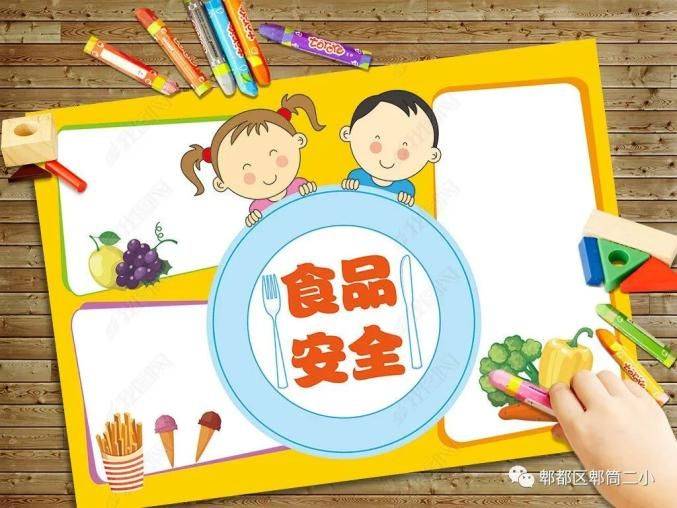
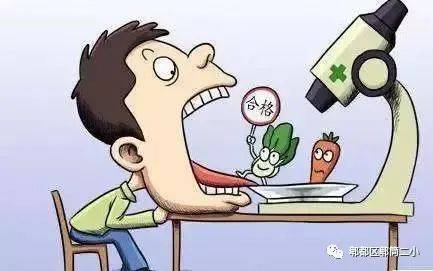
As they say, “the disease comes from the mouth”. The issue of food safety reminds us that scientific knowledge of food safety should be preserved, that students should be made more aware of food safety and that children should be protected from healthy growth

Food safety
1. When buying food, care is taken whether the food package is made from a production plant, the date of production, whether the food package has passed the shelf life, whether the food raw materials, the nutrients have been marked, whether the qs has been marked and not the three food items。
2. Not only does the unlicensed vendors not purchase boxes of food or food to reduce the risk of food poisoning。
3. Take care of personal hygiene and wash your hands before eating and develop good dietary hygiene habits。
4. Cleaning and disinfecting of meals, food in unclean containers and garbage disposal to prevent the breeding of mosquitoes。
5. More water and less drink; less snacks, fried, smoked food。
After intense exercise, do not rush food or water。
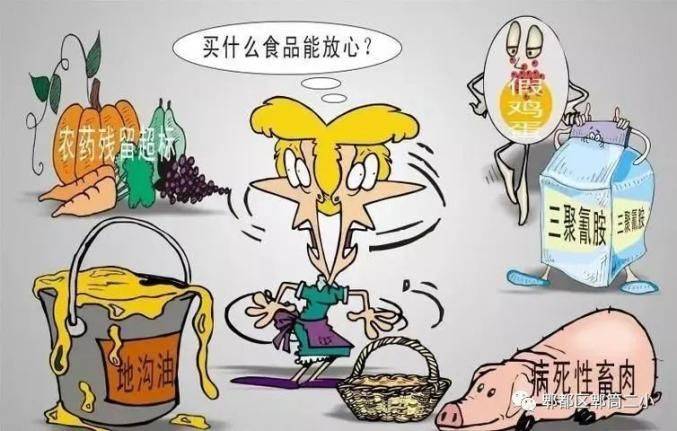
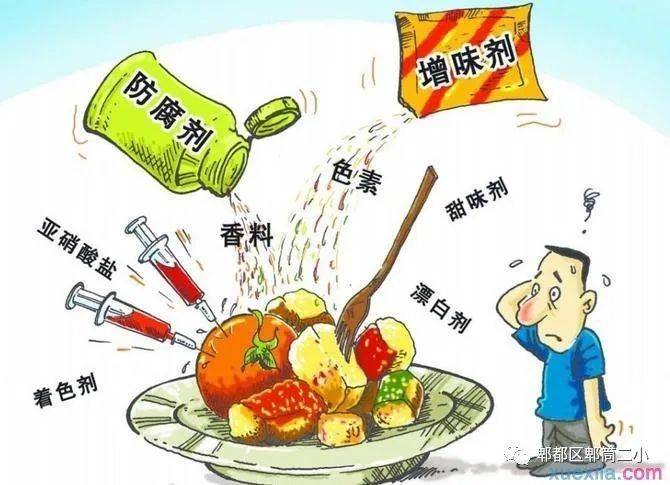

Food safety point
1. Sanitation, hand-washing before meals and mouth-washing after meals without hand-catching。
2. Eat carefully and slowly and do not swallow. Focus on eating, don't laugh。
3. Food is not purchased in unlicensed stalls in the streets。
No products of unknown origin or expired foods are purchased。
5. Pumpkin and vegetables must be washed. Leathered fruits and vegetables should be cut to the extent possible。
6. Long-term food selection and preference are unhealthy, often resulting in malnutrition, iron deficiency anaemia, etc。
Three meals a day must be reasonable, diet must be measured and meals must be regular. They don't pick, eat or drink。
8. Over-ingestion of energy and nutrition by greed can lead to obesity and affect human health。
9. The diet needs to be salt-free, and excessive consumption of salted food increases the risk of hypertension。
10. Foods that expand, such as chips, snowcakes, are oily, high-heat, low-coarse-fibrous foods that are not regularly consumed。
Cold drinking does not take place, and more cold drinking causes a sudden drop in the temperature in the digestive tract, leading to gastrointestinal disorders and curbing gastric acidization。
12. Food is selective, timely and adequate. It is not a habit to eat snacks before getting close to a normal meal, before sleeping or watching television。
13. Nuts such as peanuts, walnuts and other nuts contain more proteins, vegetable oils, phosphorus, vitamins and minerals such as iron and zinc, which contribute to brain development and memory enhancement and are better snacks。
14. Eat less of fat meat, salt pickled, smoked and fried food。
15. Chocolate is not a nutrient. Chocolate heat is high, but its nutritional value is low, and too much chocolate is prone to gastrointestinal symptoms, affecting appetite and not eating much。
16. Drinking water in appropriate quantities per day is healthy and free water is the best drinking water. Drink more water, less sweet drinks。
17. Students are required to drink small quantities of water many times a day, around 200 ml at a time, and do not wait for thirst。
18. The long-term high consumption of sugared beverages may pose a risk to young people of small size, broken bones, teeth and obesity, rather than treating drinks as white water。
19. The main nutrients required for humans are proteins, lipids, carbohydrates, minerals, vitamins and water. Modern nutrition classifies diet fibre as the seventh largest nutrient。
20. Vegetables are available for human vitamins, minerals, food cellulose, etc., so we need daily vegetables。