


Catalogue of practical demonstrations and recognitions of the contenct competition rules for the background and purpose of the competition and the knowledge points for the classification of process waste
Background and purpose of competition 01
Resources recovery and environmental protection to reduce waste classification can help to separate recyclable resources from waste, promote their reuse and reduce the exploitation of natural resources. Sound waste classification reduces environmental pollution during waste disposal and protects soil, water and air quality. Through the classification of wastes, people become more aware of their consumption habits and help to reduce unnecessary waste and waste generation. Importance of classification of wastes
By participating in a knowledge contest on waste classification, 80 per cent of 800 per cent of students are aware of their responsibilities and roles in environmental protection and are able to develop positive environmental attitudes. Students can develop the ability to observe, analyse and solve problems in learning and practice waste classification. The knowledge of waste classification covers a wide range of scientific, social and environmental disciplines and contributes to the interdisciplinary learning of students and the improvement of their overall quality. Interdisciplinary learning to foster responsibility and practice
The knowledge for school cultures social impacts and disaggregated knowledge competitions can be part of building school culture, creating an environment-sensitive and school-friendly environment. Students learn and practise waste classification in schools, bringing this behaviour into their families and society, and it acts as a positive model and catalyst. In the form of competitions, the relevant knowledge of waste classification, including classification criteria, classification methods and the meaning of classification, can be disseminated to students。
02 competition rules and processes
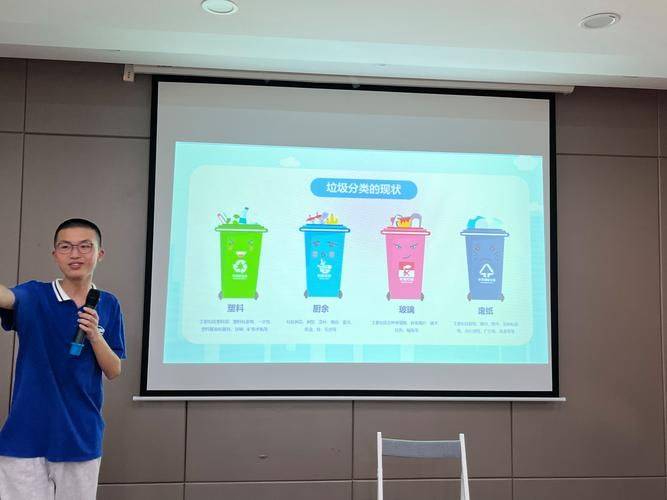
It is open to primary school students throughout the country. Registration is done in a uniform manner through schools or related institutions, with information on the name of the student, grade, contact information, etc. Target and registration
In the form of online answers, each round has different difficult topics. The competition forms basic knowledge of waste classification, methods of classification, environmental significance, etc. Form and content of competitions
The scoring criteria and incentive mechanisms of the scoring criteria are based on a combination of correct response rates and time-consuming factors, with each round ranked on the basis of a high score. First, second and third prizes and prizes of excellence shall be established and the winners shall receive the certificates and corresponding prizes. At the same time, good athletes will have the opportunity to participate in a higher level of classification knowledge competition。
Key knowledge points on waste classification
It refers to waste suitable for recovery and recycling, mainly waste paper, plastics, glass, metals, fabrics, etc. It defines the type of paper, magazine, plastic bottle, glass bottle, cans of cans, old clothes, old shoes, etc. That are common. Recycled through specialized recycling channels, such as selling to a recycling site or input into a recycling bin. 030201 recycled garbage
Waste that poses a direct or potential hazard to human health or the natural environment, including, inter alia, waste batteries, waste lamps, waste pharmaceuticals, waste paints and their containers. Batteries, fluorescent lamps, expired medicines, paint drums, pesticide bottles, etc. Are defined. Common items are placed in designated hazardous waste collection containers or handed over to specialized institutions for harmless disposal. Hazardous waste disposal
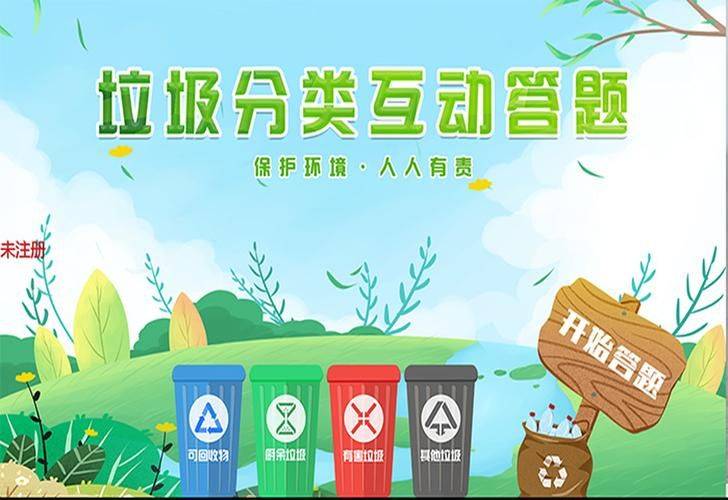
Food left over from common items, fruit peels, leaves, tea slags, expired foods, etc. The definition refers to biomaterial waste that is easily decomposed in everyday life, including, inter alia, leftover foods, melon fruit cores, flower green plantings, expired foods, etc. Treatment is delivered to designated wet waste collection containers or to specialized institutions for biodegradation treatment. Wet trash
Dry waste definition means recyclable waste, hazardous waste and wet waste other than this, the waste of life consists mainly of napkins, toilet paper, plastic bags, cigarette butts, etc. Paper towels, disposable dishes, plastic bags, cigarette butts, etc. Treatment is delivered to designated dry waste collection containers or to specialized institutions for incineration or landfill disposal。
04 practical demonstration and guidance
Detailed classification criteria for various types of waste, such as recyclables, hazardous waste, wet waste and dry waste, are described in the classification criteria, which help students to accurately distinguish between different types of waste. Showcasing the sorting equipment and displaying the relevant sorting equipment, such as the sorting cans, garbage bags, etc., to inform and familiarize students with the use of these devices. Through on-site demonstrations, the demonstration shows students the complete process of the classification of waste, including the placement, collection, transport and disposal. Field classification operation demonstration
The students are divided into groups, each distributing a certain amount of simulated waste, and the students are guided in the classification practice. In practice, grouping exercises correct students ' misclassifications in a timely manner and explain the reasons to help students to better understand the classification criteria. Correcting misclassification leads students to reflect on the meaning and importance of waste classification and encourages them to present their own ideas and proposals and to develop their environmental awareness and responsibility. Encouraging self-thinking student practice guidance
To provide timely answers and guidance to the problems and questions that students encounter in their practice, ensuring that they have accurate information on the classification of waste. Students ' questions are answered to encourage the exchange of experiences and ideas on waste classification among students, the sharing of their small skills and methods in the classification process, and the promotion of learning and progress among them. At the end of the event, an interactive exchange of experiences was carried out to summarize and evaluate the garbage classification knowledge competition, to affirm the performance and results of students and to encourage them to apply the knowledge they have learned to everyday life. Question answers and interactive exchanges on outcomes of stocktaking activities
05 competition summary and recognition
Overall, the contest was attended by 100 primary school students, and after intense competitions, 20 students eventually emerged and achieved outstanding results. It is divided into 100 points, with a maximum of 98 points, a minimum of 60 points and an average of 80 points. Of these, 60 per cent were over 80. According to the responses to the competition papers, most students have better knowledge of the basic concepts and methods of classification of wastes, but there are some details and special circumstances that require greater learning and understanding. Summary of the results of the competition
The award-winning list held a solemn award ceremony at the school auditorium and invited school leaders, teachers and parents ' representatives to join the award-winning contestants. In order to encourage students to actively participate in the garbage classification knowledge competition, the award winners are provided with a wealth of prizes, including books, stationery, environmental supplies, etc. On the basis of the results of the competition, we have elected one first prize, two second prizes, three third prizes and 10 prizes for excellence. Distinguished contestants
The competition was publicized through a variety of channels, including the school's public number and information column, to increase the importance given by teachers and students throughout the school to the classification of waste. Promotion of awareness-raising on issues and shortcomings reflected in competitions, organization of lectures, questions and answers, and further dissemination of knowledge on waste classification. Knowledge dissemination takes into account the actual situation in schools, and practical activities for the classification of wastes, such as school-based waste disposal, environmentally friendly manual production, etc., are carried out to increase students ' understanding and awareness of waste classification in practice. Next work plan for practical activities
Thankyou thanks for listening



