Teenima, as a well-known medium medicine, has extremely high medicinal and economic value. If you also want to try to plant tianima, then this article will give you a detailed description of tien ma's planting techniques。
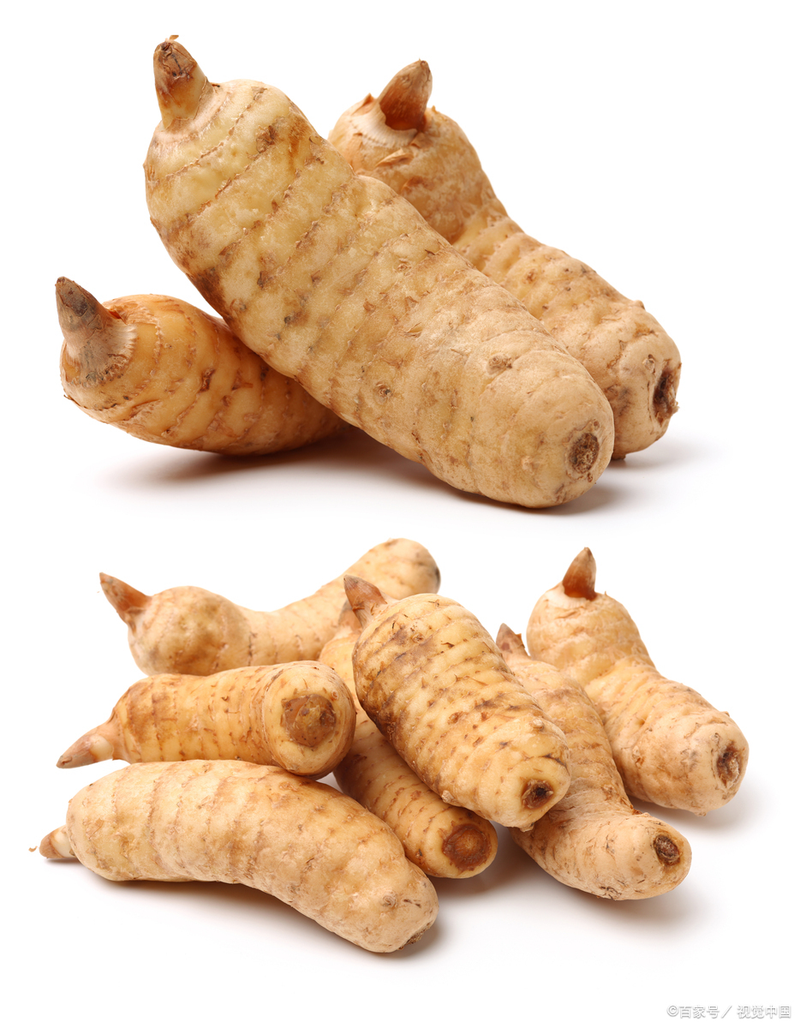
I. Growing habits of tianima
Teenager is a special radial plant with no roots and no foliage, which cannot be used for light co-operation and must be nourished by honey circulus. The plume prefers to grow in a cool, wet environment, with an appropriate growth temperature of 15°c-25°c and a relative humidity of around 80% of the air. It is a high demand for soil and prefers to grow in a sandy border soil that is loose, fertile and well drained。
Preparation for cultivation
Selection of planting sites
It is suitable for cultivation in mountainous areas at an altitude of 800 - 1800 metres, with the choice of a backwinding, well-drained and fertile soil for cultivation. At the same time, care should be taken to avoid choosing low-lying water and soil weights。
Preparation of planting materials
(1) tsima seeds: choose high-quality tsima seeds, requiring full and disease-free seeds。
(2) honey cyclic fungus: honey cyclic fungus is a necessary condition for the growth of the gestation, and can be purchased in ready-made species of honey cyclic fungus or grown by itself。
(3) wood: chooses a tree trunk or branch of broad leaves with a diameter of 5 to 10 cm, e. G., e. G., aluminum trees, willow trees, etc., and saws them in small parts of 30 to 40 cm length。
Cultivation of honey circulus
(1) selection of culture material: sawdust, millet, corn flour, etc. Of broad leaves may be used as a culture material, which can be evenly integrated and added to a suitable quantity of water, with a water content of 60 to 70 per cent。
(ii) inoculation of honey circulus: training materials are packed in plastic bags and treated with high temperature and high pressure. Then, under sterile conditions, the honey circulus species are fed into the culture materials, sealed in pockets and nurtured at appropriate temperatures. Usually, the growth time of the meringue is about 30 to 40 days。
I'm sowing the queen
(1) select the planting time: the planting time for sis is usually in spring or autumn, 3-4 in spring and 10-11 in autumn。
(2) the method of seeding: to place well-bred species of honey circulus and wood in the planting pits, and then to spread the seed of sterume evenly over the wood section, covering a thin layer of soil. Finally, appropriate water is poured and soil moist。
Temperature and humidity management
During its growth, care is taken to maintain appropriate temperature and humidity. When temperatures are too high or too low, they affect the growth of the aroma, and when temperatures exceed 30°c, they are cooled by measures such as shade, ventilation and, when temperatures are below 10°c, by measures such as covering temperature protection. At the same time, to keep the soil wet, the relative humidity of the air is around 80%。
Light management
Queens like to grow in a dark environment without the need for sunlight. In the process of planting, shades of the sun, such as the construction of sunnets, can be used to create a suitable environment for the growth of the sis。
Pest control
Insects and pests are mainly fungus, aphids, etc. In the process of planting, care should be taken to keep the planting grounds clean and to remove pests and pests in a timely manner. At the same time, biological pesticides or low-toxic pesticides can be used to combat them and to avoid the use of highly toxic pesticides that affect the quality of fertilizers。
Harvesting and processing
Harvest time
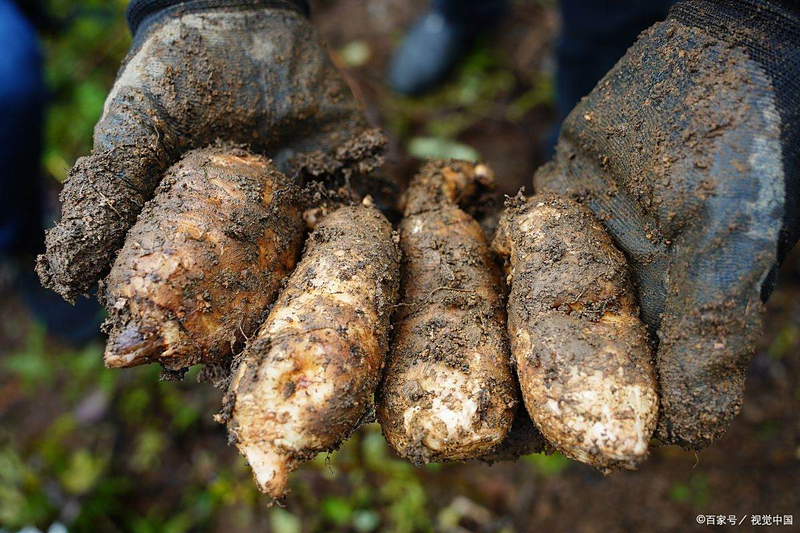
The harvest time of tianima is usually in the fall or spring of the third year following planting. The harvest can take place when parts of the plume die。
Harvest methods
Carefully excavate the plaster from the soil to avoid damage to the plaster. Then wash the plume and remove the impurities。
Processes
The harvest is dryed or dried to reduce its water content to about 10-15%. It is then ranked, packaged and sold or stored。
In short, planting cynics requires certain techniques and methods, and only pre-plant preparation, selection of suitable planting methods, strengthening of field management and timely harvesting and processing can produce quality cynics and good economic benefits. I hope this article will help you。