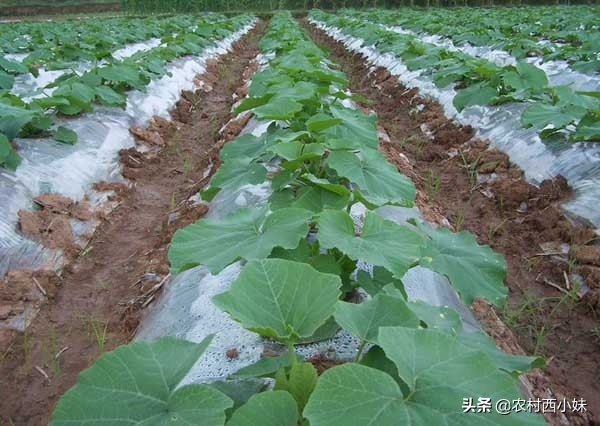
Pumpkin is a nutritious food and a food that many people like to eat, and at a time when management includes chicken pressure, whole branches, etc., and the production of pumpkins, let's look at how to manage the pumpkins at a later stage。
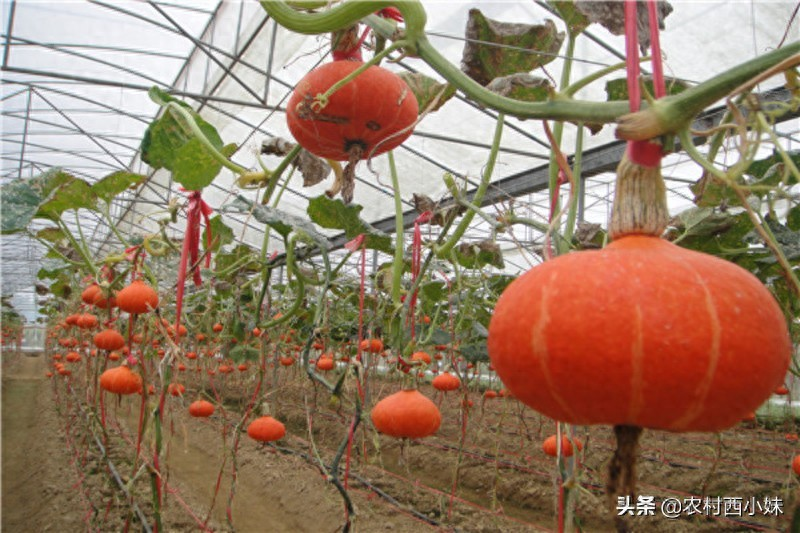
Pumpkin management technology
1. Pumpkin pursues fast-activated nitrogen fertilizer, with a reasonable combination of nitrogen phosphorus, which generally accounts for one half or two thirds of the total application, in different batches, depending on the amount of potassium nitrogen and phosphorus required for the different reproductive periods of the pumpkin, with the aim of promoting a seedling tree with 5-8 kg of urea per acre, with the result period requiring not only adequate nitrogen fertilizer, but also the timely filling of phosphorus fertilizer to ensure that the fruit is fully expanded. In general, 10-15 kg of urea and 5-10 kg of potassium sulphate per acre are applied after the fruit, followed by a total of 1-2 times, and the capacity of the root system to absorb nutrients is reduced in the later stages of growth, which can be supplemented by external fertilization to ensure the growth and development needs of pumpkins. A low concentration of urea, potassium chloride or potassium dihydrophosphate can be selected for application every 7 to 10 days, 2 to 3 times。
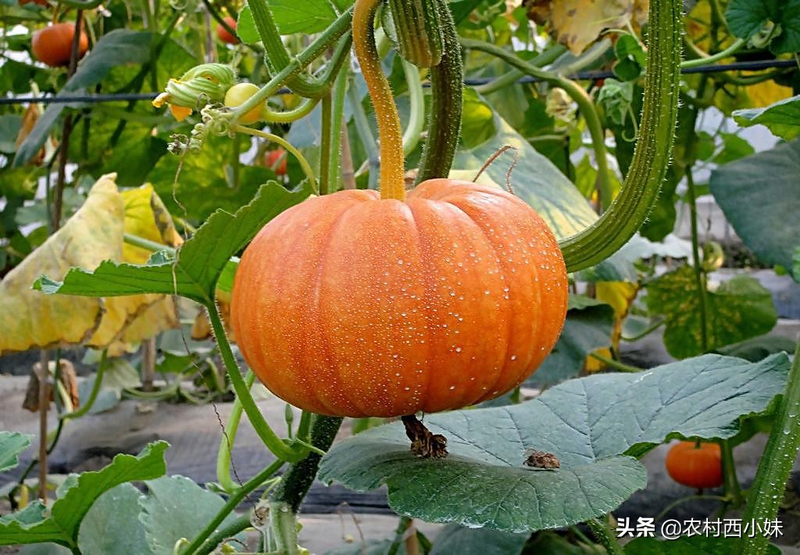
2. A drought-resistant crop with water drainage of pumpkins requires dry air and a certain degree of soil moisture, high humidity of the air, high susceptibility to disease and higher soil moisture, which can affect root growth and absorption. In the yangtze basin, where the pumpkins are fed by more long-term rainfall, especially during the rainy season, the lack of sufficient light is highly likely to cause the spread of the disease, while in the wake of the drought, the growth and development of the pumpkins can be affected by white powder, so that water management should be mainly drained and properly watered. During the flowering season and during the expansion period of the fruits, the demand for water is greater for plants, which should be properly pumped and then drained in accordance with the conditions and climate。
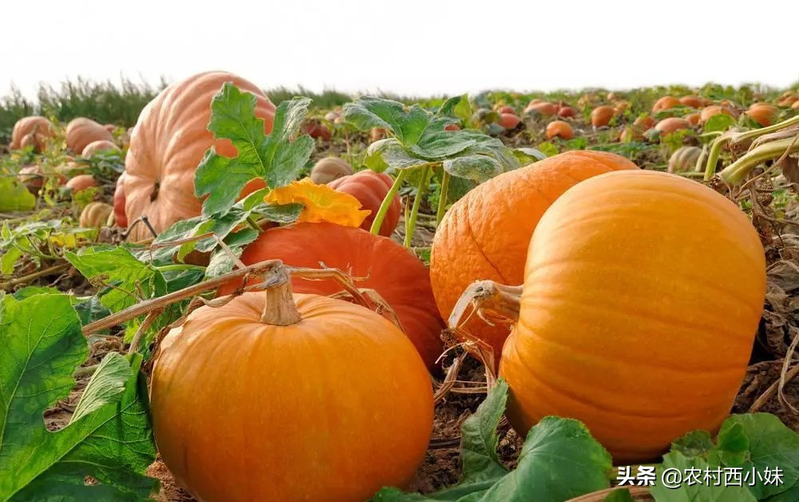
3. Plantation management in the mid-term and later stages of plant management is mainly a combination of chicken pressure, artificially assisted pollination, fruit management, etc., with the aim of adjusting plant growth, promoting sit-ins, controlling sit-ins and improving the commerciality of fruits. Of these, the condensed chicken should take place after noon, as the leaves are easily broken during the morning operation. The condensed chickens have a fixed function, and they produce variable roots, supplementing the main roots to absorb nutrients and moisture, and meeting the demand for plant blooms, which, through the operation of the condensed chickens, can spread to the intended location. For pre-cooked varieties that are grown in high densities, the chicken can be crushed only once, or even not. There are also a number of methods, mainly single-cooked, double-cooked, multi-cooked, etc., which operate on a practical basis。
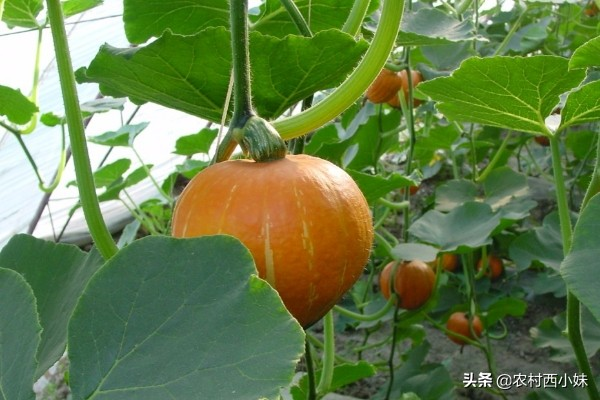
These are the points of management techniques for the late planting of pumpkins, which are better understood。