In recent days, a number of friends have been asking me why melons, such as melons, pumpkins, watermelons, melons, and so on, are rotting quickly, but it is common for melons to sit on a melon called melons, which leads to a small number of melons and low yields, which are a real headache to the farmers. It is time for melon crops to bloom, and in order to make more of the melons that you have worked hard to grow, we share a few tips for your information。
What if you can't sit down? Learn four tricks, double production。
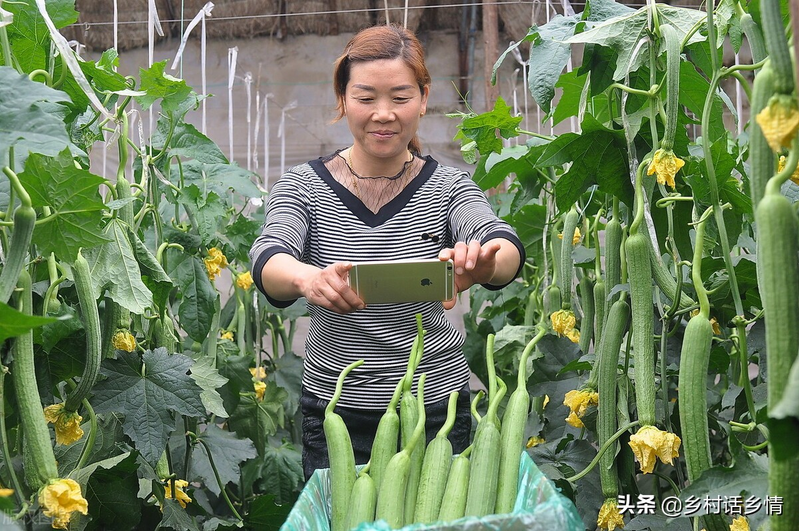
Cucumbers, pumpkins, watermelons and winter melons, among other crops, are not sitting down because of a common physiological phenomenon, such as high or low temperatures, poor pollination, poor nutrition, dry or wet soil, poor fertilization, weather causes, pests, etc., which can lead to dysentery, yellowing, drying and decomposition。
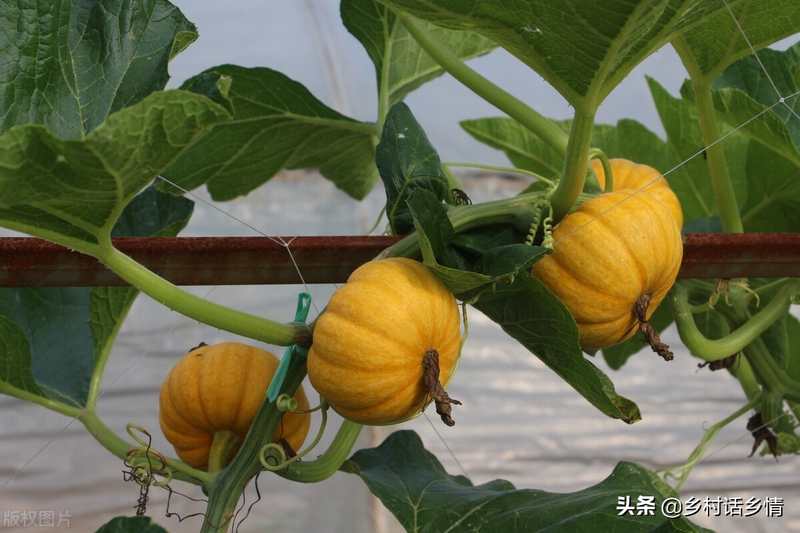
1. Reasonable water and fertilization
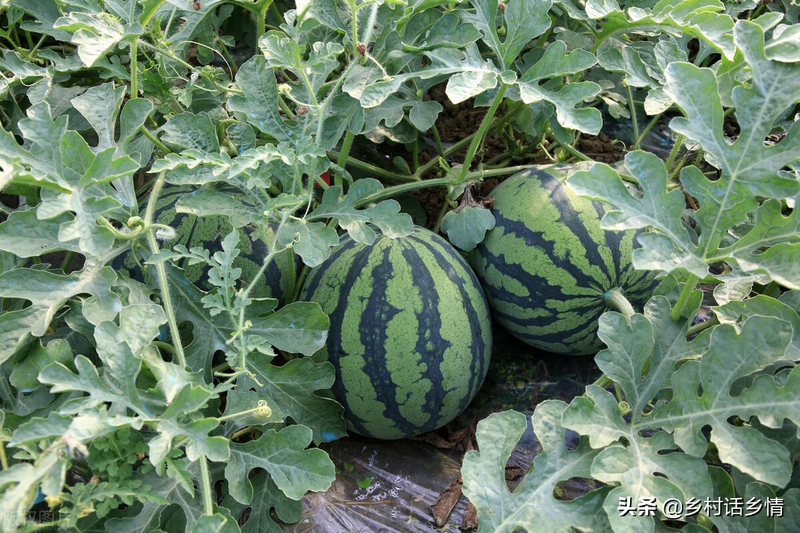
The excessive watering and fertilizing of silkmelons, pumpkins, watermelons and cucumbers before flowering can easily lead to chicken growing and growing, nutrient growth and reproductive growth disorders, and competition for nutrients, even where there are melons, which is the common saying that the guacamole is the most prone to mistakes when many grow their fruit crops。
It is therefore important to reduce water use, control water cavity, refrain from excessive use of nitrogen fertilizer in fertilizers, properly increase phosphorus fattening to achieve nutritional balance, and avoid strong seedlings and proteges。
2. Artificial pollination
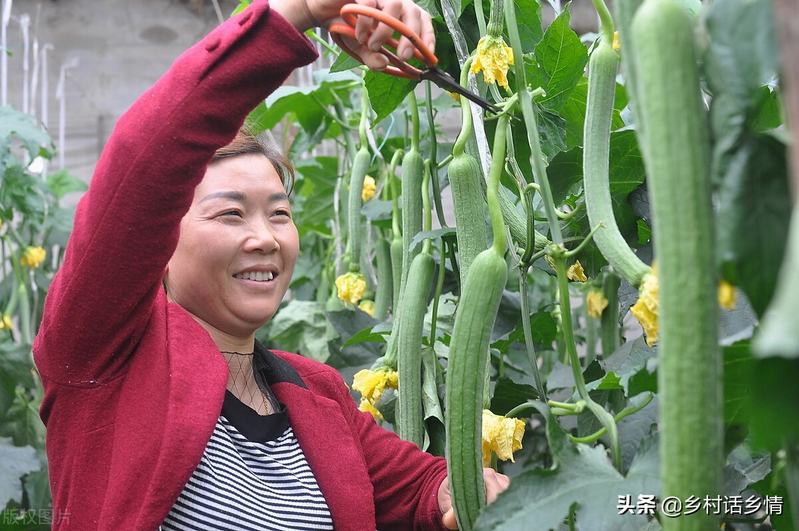
The cultivation of melon vegetables, with proper artificial pollination, can significantly increase the rate of melons, especially in the light of the ongoing rainy weather this year, which, even with flowers and melons on it, is also a bad pollination, resulting in the stagnating of the melons and the fermentation of the melons, which can be reduced through artificially assisted pollination。
Method: choose to remove the male flower in the morning of the sunny day and wipe the pollen from the male flower core over the female column, bearing in mind that the force is light and not too heavy。
3. Picking shavings and strengthening roots
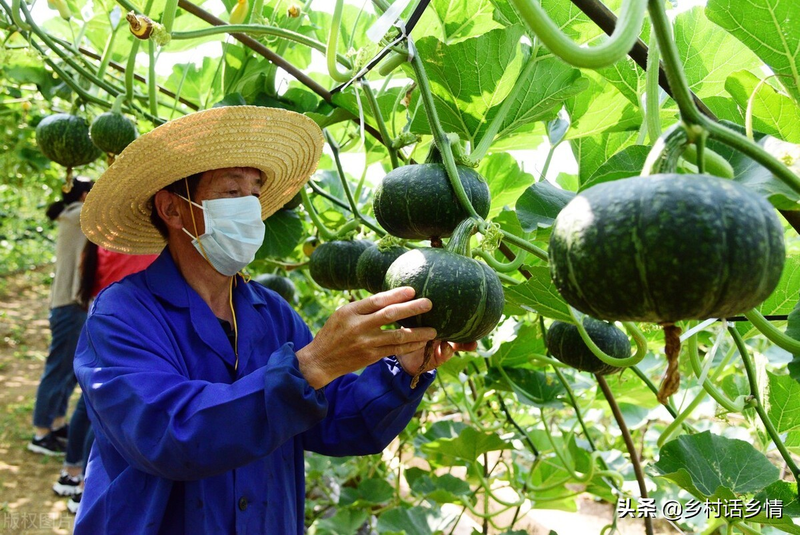
In the management of silk melons, pumpkins, water melons, and cucumbers, which are growing with a lot of guacamole on the chickens, and which need to be seen as insensitive and consume a lot of nutrients, the surplus must be removed from the management, with the exception of those that are properly preserved for the chicken reptiles, so as not to compete with the melon for nutrients and concentrate more on their growth。
The whole life cycle of melon crops is longer and rooting is the highest priority for the whole life cycle, with a strong and well-developed root system as the basis for ensuring production. From the start of the flowering, fertilizer is to be applied every other time in order to prevent decomposition, with appropriate amounts of biobacterium or corrodic acid fertilizer, and often with amino acid, corrodic acid and foliage in order to maintain the persistence of the roots and the persistence of the melon。
Four, right fork in the whole
Smelts: it is a booming period, around 22-24 leaves, at which time the heart is lifted in a timely fashion, with the use of chickens or scavengers, when the chickens or scavengers are growing more, with the removal of some of the weak scavengers, the preservation of the scavenging branches, and the removal of 60 per cent of the males, with only 40 per cent of the males kept for pollination。
Pumpkin: mostly in chicken-cooked melons, i. E., seedlings grow to five to eight leaves, strangling their tops and giving them more branches to grow, and, when they do, retaining two to three strong branches to remove the remaining ones。
Watermelon: the watermelon is divided into a single whole branch, a single whole branch, and a whole branch of three whole branches, usually with three whole branches, with two strong chickens in addition to the main one, the rest of which are removed。
The winter melon leaves two or three large branches on its chicken, removes all the extra branches, and then, when the side branches are tumbled, preserves six leaves in front of the melon, and then strangles the top of its heart。
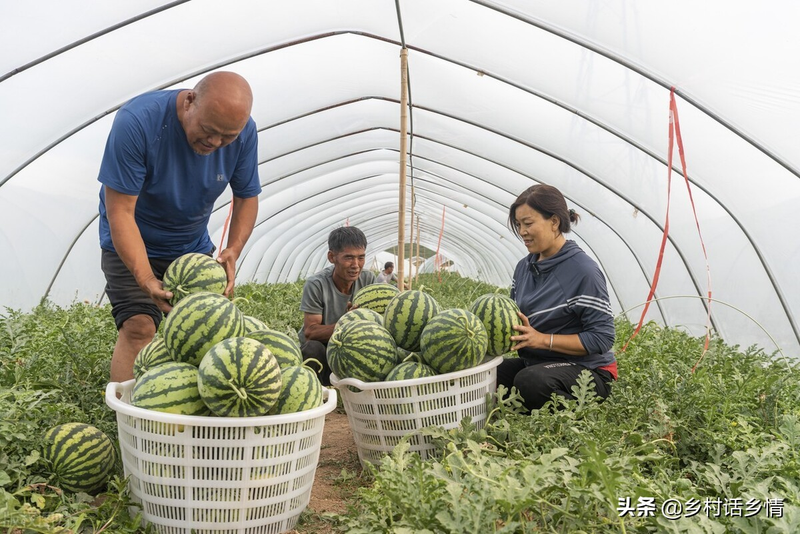
In addition to the above, the cultivation of melon crops, if they are grown in large areas, can be sprayed once in each period before flowering, in the early stages and during the periods of fruit expansion, increasing the yield and quality of fruit, reducing the rate of loss and reducing the incidence of fibrosis, figs and malformations。
More attention would be welcome if more knowledge, methods and experiences were to be learned。