The following are detailed methods and techniques for tomato cultivation:
I. Selection of varieties
The selection of suitable varieties is based on the purpose of cultivation, local climatic conditions, etc。
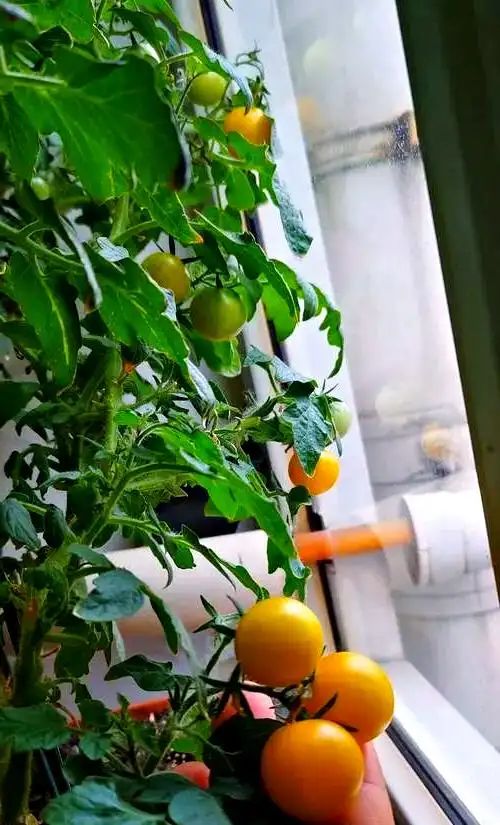
Fresh food: if a family grows its own food, it can choose a variety of tastes that are good, such as the "sacred fruit" series in cherry tomatoes, with small fruits and high levels of sweetness; large fruit types such as "poison tamarind" and fruit pink and sandy sauce。
Processing: for processing products such as ketchup, the choice is the "red-mix" series, which are very colourful and yield high levels of sauce。
Climatic considerations: in areas of high summer temperatures, it is desirable to choose heat-resistant varieties, such as “sharon”; in areas of cold winter but with facilities to cultivate, cold-resistant varieties, such as “general cold”, may be chosen。
Ii. Employment
Seed time:
The field springs, usually 60 to 70 days before the end of the local frost, e. G., in north china, in mid-february to early march。
Autumn planting, usually in mid-july until early august, after a high summer temperature。
Facility planting can be arranged flexibly according to facility conditions and market time requirements。
Seed processing:
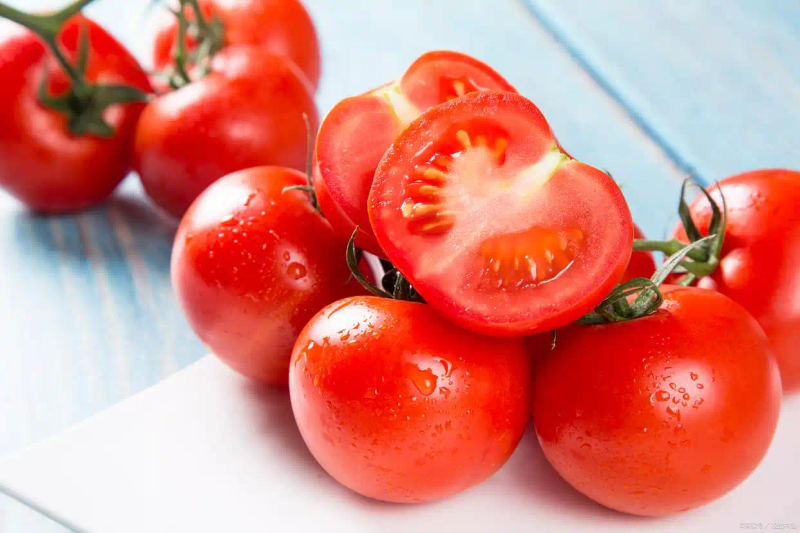
Selection: selection of full, pest-free seeds。
Sterilization: the usual methods of disinfection are hot soup impregnation and pharmaceutical impregnation. Vegetation is the placement of seeds in hot water around 55°c, which is constantly mixing, keeping the water warm for 15 - 20 minutes, and then allowing the water to cool naturally and continue to soak for 6 - 8 hours; pharmaceutical impregnation is an option of 10% sodium phosphate sodium leachation for 20 - 30 minutes, which is effective against viral disease and washes with clean water after leaching。
Drumbs: sterilized seeds are packed in wet cloths, in an environment of 25-30°c, washed with water one or two times a day, so that most seeds are seeded in white。
Vegetables and containers:
Substrates: specially designed seedling matrices may be used, or prepared on their own, such as a mixture of foliage, leeches and pearl rock at a ratio of 3:1 and a base of decomposition, ventilation and water preservation。
Packagings: the most common are seedlings, seedlings, etc., which are easy to plant and do not cause injury, and which are suitable for bulk breeding。
Seeding and seed management:
Seeding: seeds after seeding are planted in a seedling matrix with 1-2 seeds per den or grid, then covered with 0. 5-1 cm thick matrix, watered and wet。
Temperature management: the suitable temperature for the seeding period is 20 - 25°c during the day and 12 - 16°c during the night. High temperatures tend to lead to the growth of young seedlings and slow growth at low temperatures. Temperatures can be regulated by covering sunnets, grass curtains, etc。
Light management: ensure adequate light, but proper shades are needed to avoid burning of young children during the summer's hot and strong light。
Hydrological management: maintaining the base to be dry and wet and not too wet to cause rotting roots or disease. Water is usually poured every 2 - 3 days, depending on the dry and wet base。
Fertilizer management: in the case of seedlings, which generally do not require large-scale fertilization, 0. 1% - 0. 2% urea solution can be sprayed as leaf fertilizers to promote the growth of seedlings when they grow 2 - 3 leaves。
Iii. Transfer
Landscape selection and whole:
Select a plot with a deep layer of soil, fertile estuarine, good drainage, ph at 6-7. Avoid association, preferably three to five years in rotation with non-eat crops。
The whole land is to be rocked to about 30 centimetres deep, combined with a whole area of base fattening, which can be applied to rotting organic fertilizers of 3000 - 5,000 kg, calcium perphosphate of 50 - 80 kg, potassium sulphate of 20 - 30 kg, which is fully synchronized with the soil。
Timing and density:
In the spring, when the seedlings grow 6 - 8 real leaves and the final period of local frost is over, they can be planted. Autumn planting takes place when the seedlings grow to the appropriate size and temperature。
Plantation density varies according to species and cultivation methods. The average long-finished species range is 40 - 50 centimetres and 25 - 30 centimetres, with 4000 - 5,000 plants per acre; and the medium-lated species range is 50 - 60 centimetres, with 30 - 35 centimetres and 300 - 4000 plants per acre。
Iv. Field management
Cropping:
After planting, weeding is carried out in a timely manner, and the pre-drop depth is shallow and can be duly deepened at a later stage, typically at 3-5 cm and 5-7 cm. In addition to defusing the soil and increasing its permeability, chinese farming can also remove weeds and reduce the competition between weed and tomatoes for nutrients and moisture。
Water management:
There is a need for sufficient moisture during tomato growth, but the demand for moisture varies from one stage to another。
After planting, water is fully established and the soil is kept humid during the slow-growing period, usually with small water every 1-2 days。
The flowering result is a critical period for tomatoes, ensuring that the soil contains 70-80 per cent of the water and that it is watered 1-2 times a week, depending on weather conditions and soil dampness, evenly so as to avoid drying and damp, which can otherwise lead to flowers falling fruit。
The amount of water required to supply the fruit during periods of expansion is also high, and it needs to be sustained, but proper water control is needed about a week before the fruit matures, thereby improving its quality。
Fertilizer management:
Fertilizers: in addition to base fats, fats are to be followed by tomatoes。
It can be followed up once with urea 5 - 10 kg per acre; re-fertilized with 20 - 30 kg per acre, combined with 0. 2 - 0. 3% per acre of potassium phosphate solution, which can be sprayed as folic fertilizers to promote lumbering and fruit development; and re-adultation with 15 - 20 kg per acre to meet the demand for nutrients for fruit growth。
Fertilisation methods: the application of fertilisation can be supported by the use of ditches, caves, etc., and the application of fertilizers can be followed by timely watering and the promotion of fertilizer absorption。
The whole thing:
The whole system consists of single branches, double branches, etc。
Single-dry whole branch: retain only the backbone and remove all the branches. This approach is suitable for dense planting and improves the early stages
Production, but later plant growth may be reduced。
Double-dry whole branch: keep the backbone and a side branch under the first bouquet and remove the rest of the side branch in full. This method is strong and suitable for medium- and late-run varieties and rare planting。
Battery: in order to remove the side branches in time, they are usually removed when they grow to 5 - 10 cm in order to prevent the side branches from growing to consume excessive nutrients and affect the growth and growth of the main branch。
Plumbing fruit:
In order to ensure the quality of the fruits and increase their production, frowning is necessary。
Flowers: in the early stages of gravitation, some small flowers may be removed and the middle part of the gratuity retained, usually three to five flowers per bouquet。
Succeeding: after the fruit sits down, a portion of the abnormal fruit, the pathological fruit and the small fruit may be removed depending on the growth of the plant and the development of the fruit。
V. Pest management
Disease control:
The most common diseases of tomatoes are tomato early disease, late disease, asphyxia, viral disease, etc。
Agriculture prevention and control: selection of disease resistant varieties, rotation, rational planting, strengthening of field management, maintenance of ventilation in the fields and timely removal of disease and disability。
Chemical control: select the appropriate drug for different diseases. For example, microbicides such as desen manganese zinc, bacillus cleanup can be used to combat early disease; microbicides such as frostic manganese zinc, alkyls, etc., can be used to combat chronic disease; antibiotics such as agro-chainicillin, mesophyllin can be used to combat diarrhea; and antiviral agents such as ninnammicillin and thorium can be used to combat viral disease. Spraying is carried out according to the concentration and method required by the instructions。
Pest control:
The common pests are aphids, cotton bells, white ticks, etc。
Agriculture prevention and control: rational rotation, elimination of weeds in the fields and entrapment of insects such as yellow viscos (preventing aphids, white lice), black light (preventing cotton bell bugs)。
Chemical control: select the appropriate formulation for different pests. For example, aphids can be treated with insecticides such as amphibian and amphibian; cotton beetles with insecticides such as chlorocypermethrin and high-efficiency chlorocypermethrin; and white lice with insecticides such as amphibian and amphithamine。
Collection
Collection time:
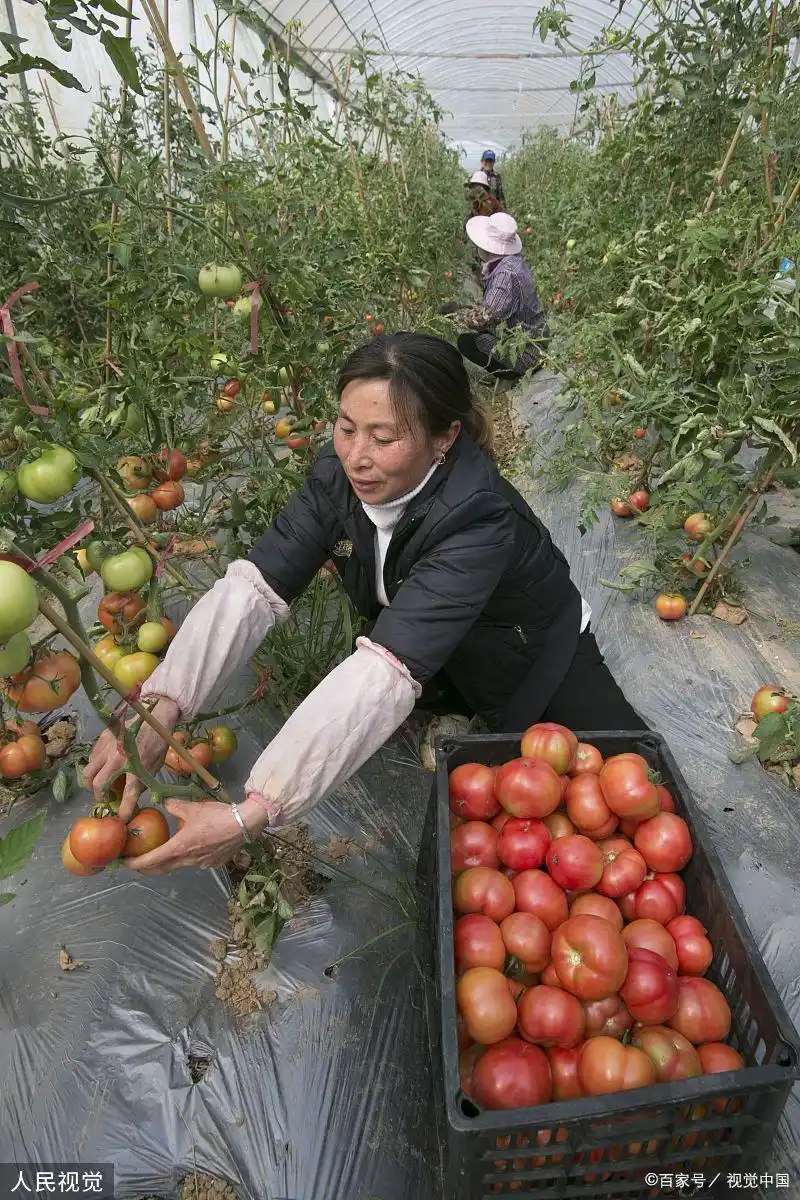
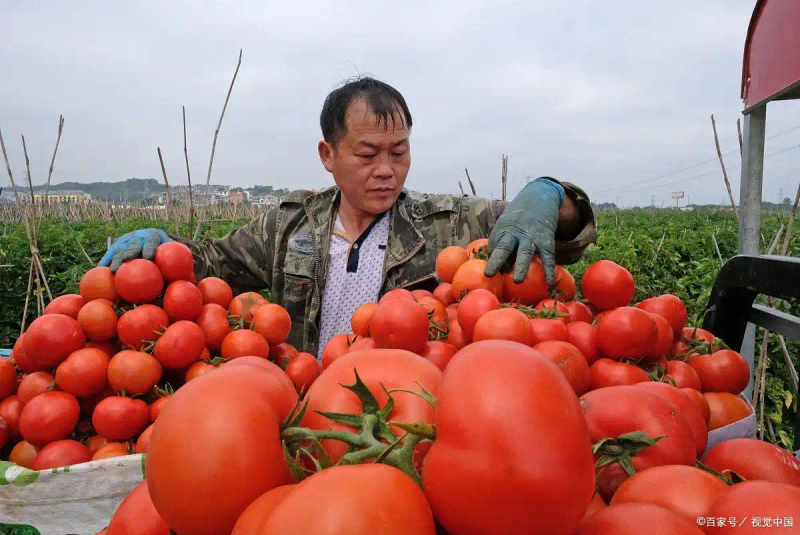
The maturity of tomatoes is divided into four stages: green ripening, chromosomalization, maturation and finishing. Tomatoes, which are generally fresh, can be harvested during chromosomal or maturation periods, when the fruits are coloured and tasted better; tomatoes for processing can be collected during green seasons, which facilitate transport and processing。
Collection methods:
The harvest is conducted by cutting the fruit from the handle with scissors or a small knife, avoiding the direct pulling of the hand and causing damage to the plant and the fruit。
The cultivation of tomatoes requires careful management and operation, which, through the acquisition of the methods and techniques described above, can contribute to improving the production and quality of tomatoes。