In the short spring, there is a type of food, which, while equally short, must not be missed — sprouts。
The term “sprouts” is used to refer to young and small seedlings, which can be further broken down into “sprouts” and “sprouts” when a particular vegetable emerges, where the former usually eats the lower axles and leaves, such as soybean sprouts, green bean sprouts, peanut sprouts, and so forth, which eat directly the real leaf or seedlings, such as peas, carrots, wheat sprouts, etc。
In spring, you were really advised to eat sprouts, not only because they're delicious, but also because they're super-viable foods
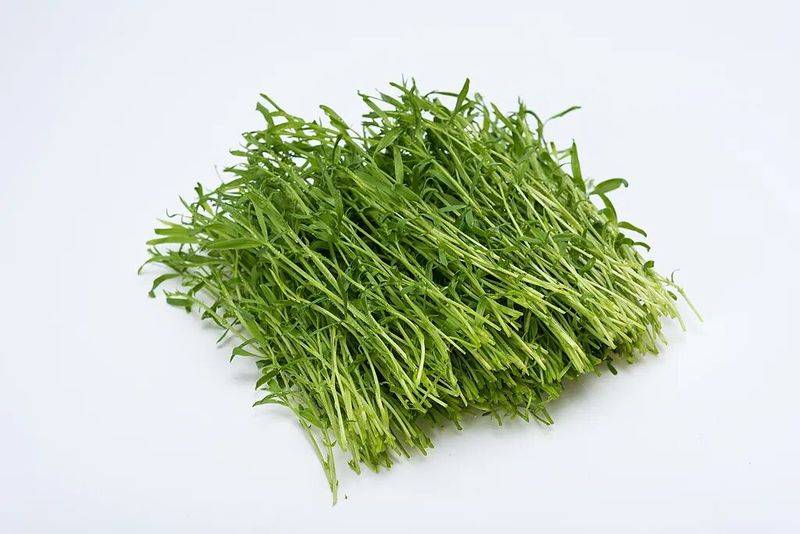
Sprouts
Nutrition tends to be better than general vegetables
1. The content of active plant chemicals is usually higher
A number of studies have found that the concentrations of active plant chemicals in sprouts are generally higher than in their maturity. These substances have positive effects such as resistance to oxidation, regulating blood sugar, and combating cancer. For example, a study published in 2025 found that the total acetone content in seedlings was higher than in micro-crop and mature plants, and that xo enzyme inhibition activity was strongest; however, the study also noted that in terms of overall resistance to oxidation, seedlings were less likely to be mature。
Another study compared 17 seedlings indicated that the seedlings from vegetable sources had higher levels and greater activity than the plant chemicals from grains, most prominent of which were radish sprouts, with the highest levels of total phenol, sulphate glucose and phenol, showing the strongest resistance to oxidation, blood sugar regulation and cholesterol reduction. Domestic studies have also confirmed that the total phenol content of chromosome vegetables is significantly higher than that of mature vegetables。
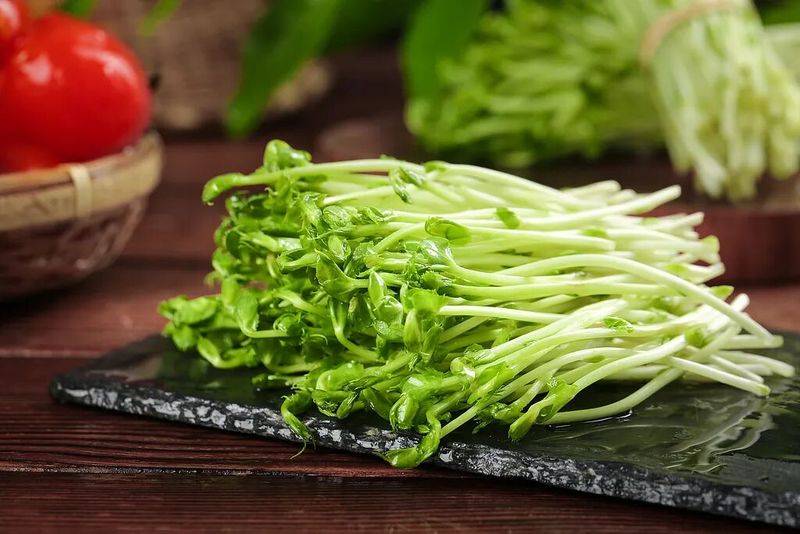
2. Partially higher nutrient content
Seed proliferation is one of the most important links in plant survival. Just as mother-to-child pregnancy gives priority to the delivery of nutrition to the foetus, plant growth also “mobilizes” vital nutrients in the body to increase their bioavailability; at the same time, anti-nutrients such as herbic acid and acid planting are used as much as possible. At this point in time, we humans enjoy this kind of “nutrient privilege” by eating sprouts。
It has been found that radish sprouts have the highest protein content and diet fibre content compared to mature radish and microcrop. The vitamin c content of a budding pulse is much higher than that of dry beans, such as green beans, where vitamin c levels are nearly three times higher than green beans. It has also been found that there is a higher concentration of minerals such as calcium, magnesium, iron and zinc in raw seedlings than in mature lettuce。
However, different findings have also been drawn: japanese researchers have found that the total amount of vitamin c in mature broccoli, red cabbage is higher than in budding, and that there is no significant difference in vitamin c in snails, mustard seedlings and mature vegetables。
High moisture content is also one of the significant advantages of budding. Studies have confirmed that the sprouts of vegetables contain higher amounts of water than the mature stages or seed periods。
These sprouts
That's good. That's good. That's good
If you want to try to grow sprouts at home, the following good, delicious and well-coated seedlings are highly recommended as new entry options:
1. Bean sprouts
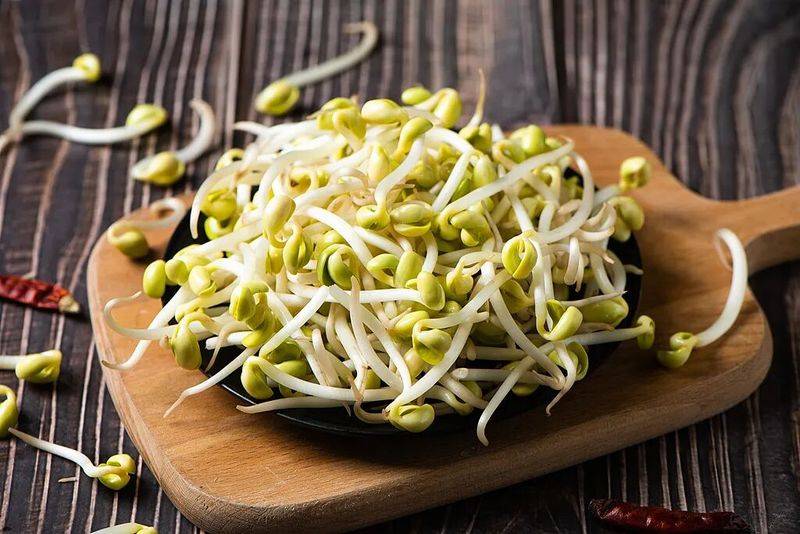
Vitamin c content of soybean sprouts (yellow sprouts, green sprouts, pea sprouts) is high, chewing with no special odour, and it is well accepted by the general public and suitable for friends who usually eat less. Whether it's cold or hot or soup, there's a different way of eating。
Cultivation methods: pick the beans in the basin, add the appropriate amount of water, put them in the shade with wet cloths, pour a small amount of water every day, leave the light behind, and grow soybean sprouts in a few days。
#2, orchid #
The method of planting: new seeds are immersed in hot water for 8 to 12 hours in the selected year, and when the seeds are drained, they are spread evenly in the nursery with wet veils, be careful not to be too dense, cover the light, spray water two to three times a day and keep the seeds wet. When the seedlings rise in two to three days, the gauze is removed, water is kept on the base, water continues to be sprayed daily, light is gradually increased, and the seedlings grow to about 10 cm。
3
Cultivation methods: similar to broccoli, immersion times can be reduced to 6-8 hours。
Eating: it's also cool, and it's hot with meat. It's good and good to have fruit salads of all colours, with carrots, egg silk, cucumbers, etc., and sushi colors and nutrients。
Four, oatmeal
Cultivation methods: similar to broccoli, impregnation times can be reduced to 4-6 hours。
Eating: one convenient way to eat is to cut up the seedlings of wheat and put flour, eggs and water on the face of the bread and make them fresh and nutritious for breakfast。
Note: the planting of seedlings at home should be carried out in such a way as to avoid contamination of seeds and seedlings by taking care of the choice of high-quality, fresh seeds, and of the hygiene of the containers。