


Methodologies and technical elements for the cultivation of trifle
The trifle is the most widely distributed multi-year herbivorous plant in the soybean range and the most suitable for grazing. It is grown in warmer temperate and subtropical areas of the country。
The method of planting herbs

The best planting time is the spring and autumn seasons, with the highest growth temperature ranging from 1. 9 to 24°c, which can be sowed at temperatures above 15°c between the end of march and the end of april. Fall seeding is usually from mid-september. Seeds should be immersed with 1. 5 kg water per kilogram of seed and ammonium molybrate 1g impregnated for 12 hours, with phosphorus fat 5-10 kg of fine soil or yellow sand 5-10 kg averaged。
Soils and farming methods of trifle
The seedlings are small, the seedlings are weak and the seedlings grow very slowly. To preserve the seedlings, the ground must be fine. It must be prepared in advance, whether in the spring or in the autumn, with a shallow roll-out, the removal of debris, the storage of water, 10 to 15 days apart, then the earth torn down, the earth to level

Scattered, soaked soil to sow。
The three-leaf fertilisation method
Trifle is a soybean plant with its own nitrogen-fixing capacity, but pneumoccus has not yet been produced. Cultivation methods should be supplemented with a small amount of nitrogen fat for the benefit of growing seedlings, with a good increase in phosphorus and potassium fat. Only phosphorus and potassium fat are required to be added to the table. Prior to seeding, 667 m2 was exposed to organic fertilizers of 1,500 ~ 2,000 kg and mixed with calcium phosphate of 15 ~ 20 kg as base fertilization. Short, leaf-coloured, small amounts of nitrogen fertilization are applied to seedlings, usually 2. 5 kg of urea, 5 kg of potassium and 5 kg of phosphorus for 15 days, to promote growth and increase grass。
Field management of trifle
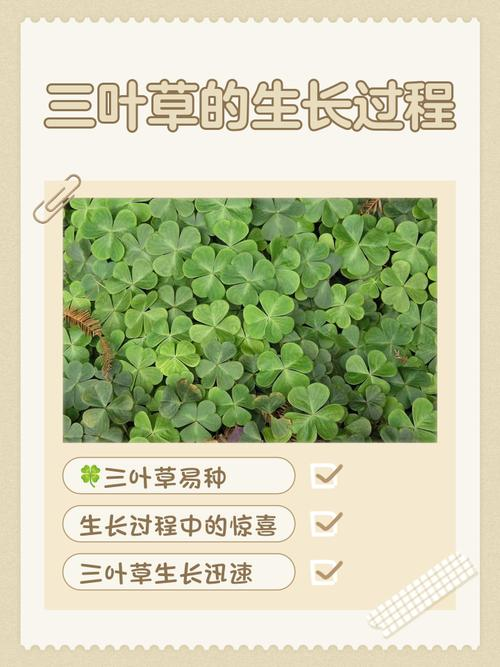
Before seeding, when the soil sheet is clogged, it is timely to break the sheeting layer in order to extract the seedling. Three-leave seedlings grow slowly and are vulnerable to weeds, which should be cultivated one to two times. Insect hazards are detected and are addressed in a timely manner. The planting in september, the flowering of the bud in april of the following year, and the blooming of flowers in mid-may and the height of the grasslands of 15-20 centimetres are the appropriate period for the use of the guillotine. The ability to regenerate after cutting is strong and can quickly form two grasses covering grasslands. During the high-temperature season, trifles stopped growing. Weeds are to be removed in a timely manner within 2-3 years of the formation of grass cover. In the event of a shortage of seedlings due to high-temperature droughts in the summer, it can be rebuffed in the autumn to restore grassland productivity. If large areas are planted as grazing land, weed growth can be inhibited by light grazing at 20-25 cm above l~2 months. Three-leave herb diseases are rare, but harvests are not timely, and in some cases brown spots and powder are found, which can be used first and then treated with bordeaux, thiomers or polybacterials。
The method of weeding
Weeding can be done 3-4 times a year at a height of about 20 centimetres, leaving no less than 5 centimetres for regenerative purposes. The age of use of artificial grasslands varies according to management utilization and purpose, usually from 3 to 7 years. Use as a hype



