How do you grow pumpkins
Many grow pumpkins, and the vines are long and dense, and they look good, but they have little flowers, little melons, some of them are fruitless, and when they are concocted, they fall apart. In fact, there are not many pumpkins, not on luck, but on several key points, which do not involve complex operations and follow through with steps, so that the pumpkin can produce many fruits。
Number one: choose the right species, seed is processed
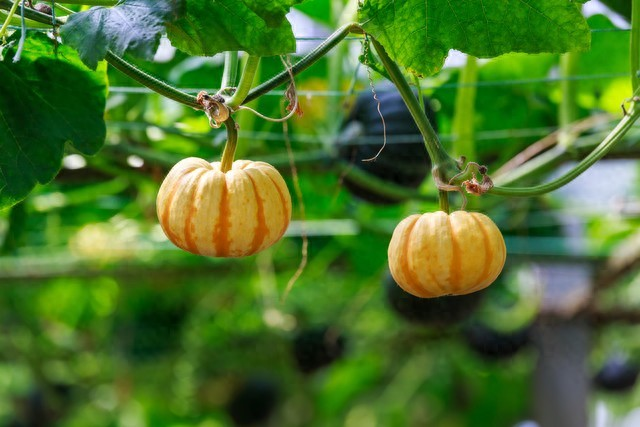
The choice of varieties is not correct and subsequent management is difficult to produce. In order to select varieties suitable for the local climate, the field is used to plant pre-maturated varieties such as honey pumpkins, pumpkins, pellets or small plots. Priority is given to the purchase of seeds from formal channels to ensure gerontization and melonization。
Seeds are treated before seed is planted to increase gerontization rates. The seed is placed in hot water at 55 °c, mixed with bubbles to keep the water warm for 20 minutes, then down to 30 °c for 3-4 hours. After extraction, they are washed with water, packed with wet cloths, sprung in an environment of 25-30°c, and 80% of the seeds are soaked. Direct sowing is 40-60 grams per acre, adjusted to the variety characteristics。
Second move: perfect fertilization to avoid excess nitrogen
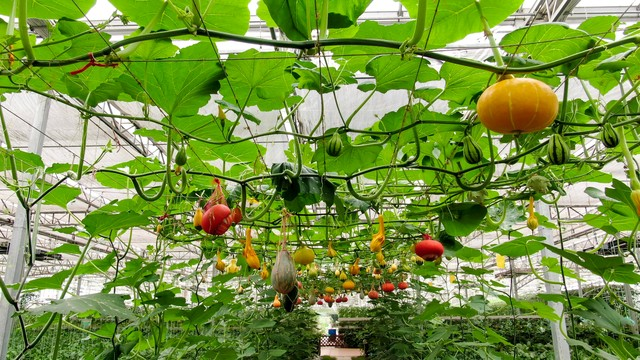
Pumpkin prefers deep, well-watered soil, which is not a melon crop in the first place, so as not to cause disease. Pre-planted deep-tilled soil is 30-40 cm, then flattening up to about 3 m wide and 30 cm high。
Base fat is enough, but no nitrogen. Per acre decomposition of 1,500 - 3000 kg of organic fat, with 50 kg of calcium per phosphate and appropriate compound fat. If there is too much nitrogen fat in the glyph, it will lead to the long vines and the long leaves will not bloom. Fertilizer should be applied in such a way that it is 20 cm or more from the root and does not burn. After planting, they usually do not follow fat, and if the seedling is weak and leaves pale, 5-8 kg of urea seedlings per acre can be followed。
Third move: science whole branch. Control the vines. Long
Pumpkin vines grow too badly, consume a lot of nutrients and affect the melon. The whole branch has two main methods, which can be selected on the basis of planting density。
• single chicken whole branch: only the main chicken cocoon is left, the side branch is wiped out, two to three per chicken and five to six leaves are left in front of the last. Pumping the top of the main chicken when it grows to four to six leaves, promoting the growth of the side of the chicken, choosing two to four strong chickens, giving priority to the hairing of the main chickens in section 5 to 8 and removing the rest in time. Each side leaves one or two beads and the last leaves five or six leaves to the top. The whole branch is to be carried out in the middle of the sun and is not operated in the rain or when there is dew to avoid infection。
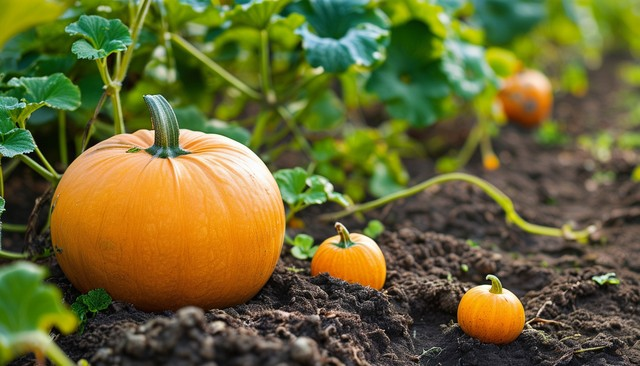
In addition, vines can be constricted when they grow to 50 cm. In the afternoons of the day, the vines will be raised gently, the roots of the bottom will be removed, the yellow leaves will be removed, the vines will be turned over to the ground, the earth will be crushed or a bamboo piece will be inserted between the vines, and it will be forced to grow unsustainably and increase the nutrient absorption capacity。
Number four: pollinating and increasing sit-in rates
Pumpkin is a female-to-male plant with a low rate of natural pollinating and artificially pollinating can significantly increase the outcome。
The timing of pollination is chosen at 6. 30-9. 00 a. M., which is the most pollinating time, and the golden period of pollination within 24 hours of the opening of the female. There are two methods of pollination: first, direct contact, the removal of male flowers, the removal of petals, the cleaning of flowers three to five times over the female column, ensuring that the pollen cover is sufficient, with two to three female flowers per male flower, and second, tool-aiding, with the use of pencils to extract male flowers, which are applied to the female column. When pollination occurs, the female can be covered with leaves or paper bags to prevent rain washing. After 2-3 days of observation of the sub-rooms, the expansion began as a result of the success of the pollination programme, which was supplemented by the unsuccessful。
Five: after the fruit, catch up with the fat
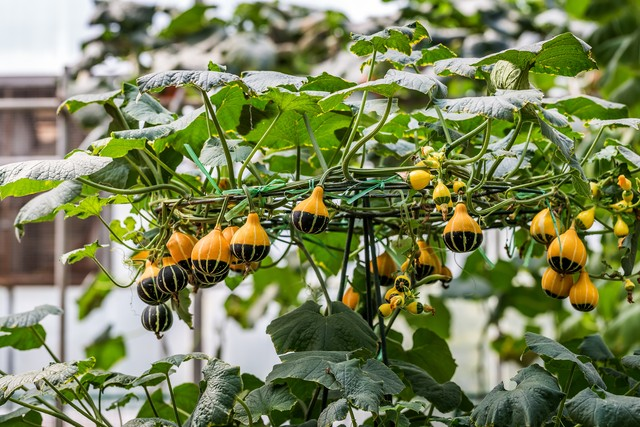
When the first one grows into the egg hour, it is necessary to catch up on the fat in time to meet the need for fruit expansion. 50 kg of ammonium phosphate per acre and 35 kg of potassium sulphate per acre were applied twice in order to fatten the water belt。
In the later stages of growth, 0. 3 per cent of potassium phosphate leaf spray can be used to spray once every 7 to 10 days and three to four in a row. If the leaves are small and condensed, it may be zinc deficiency, with 1. 5 kg of zinc sulfate per acre or 0. 2% sulfate solution sprayed。
Key additions: pest prevention and control and response to falling fruit
Pumpkin's common diseases are powder, frost, aphids and guacamole. Control is primarily preventive, and rotation of non-gay crops reduces the incidence of endemic diseases。
In the early stages of the platinum disease, 70 per cent of the methyl tobuzin humid powder was sprayed at 1,000 times, one and two to three times every 7 to 10 days; and 64 per cent of the fungus humid powder was sprayed at 400 to 500 times. Aphids are sprayed with 10% aphids with 2,000 times the wettable powder, and guacamole can be treated with 2. 5% acrylic pyrethroid cream with 2,000 times the fluid。
The emergence of flowers is mostly due to poor pollination, excessive nitrogen fattening or poor water moisture. Powdering, control of nitrogen fattening, increased phosphorus fattening, proper water control during flowering seasons to avoid soil overdry or wetting. Deforming melons are found to be removed in time to reduce nutrient consumption。
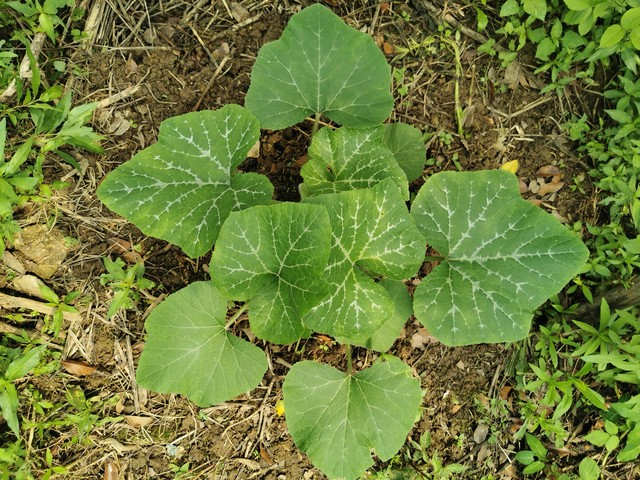
In fact, the logic of growing pumpkins is simple, as long as the five core elements of “selection, fertilization, whole branching, pollination, fatting” are captured and pest control is put in place, so that the problem of melon-free ivy is avoided. Under these methods, whether it is field or plant-planting, pumpkins will experience a marked increase in their seating rate, with a lot of fruit and a substantial increase in yields. Growing pumpkins does not have to work blindly and find the right steps to make melons easy。