


Whether it is a new energy vehicle that needs weight reduction to extend the duration of the voyage, or a low-altitude vehicle that has a higher level of baht per gram of baht, or a human robot that has increased agility with a light quantitative joint module, the “light quantification” has become a rigid threshold for these high-potential industries. In new energy vehicles, each 100-kg weight reduction could increase by 10-11 per cent of the continuous mileage; in the area of evtol, each reduction of 1 gram of structural weight means a longer leave time or larger payload; and in human robots, the light quantification of joint modulation directly determines robotic motor flexibility and energy efficiency. Light quantification of industrial materials is rewriting the design boundaries and commercial feasibility of these industries。
In the face of this wave of material innovation, enterprises with full chain manufacturing capacity and rapid response levels are meeting structural opportunities. The new aluminium industry, as an integrated enterprise for the development, production and sale of aluminium alloy, is providing high-performance aluminium alloy solutions for new energy vehicles, human robots and ai, among others, through forward-looking layouts in the areas of light quantification of industrial materials and cnc precision processing。
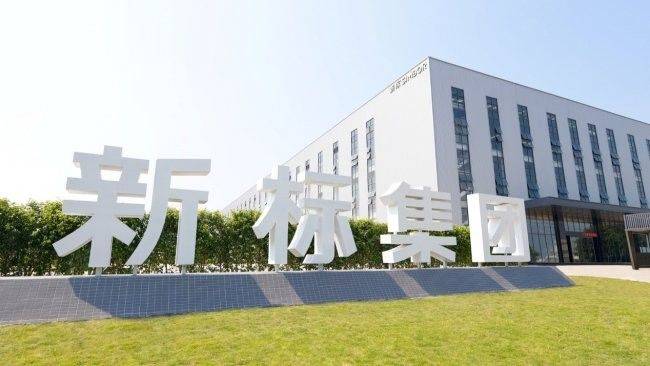
200,000 m2 base and 110,000 tons of annual capacity
The new aluminium industry is located at the changqing production base in guangdong, with an area of 200,000 square metres and an annual capacity of 110,000 tons. A complete industrial chain, ranging from casting, squeeze, thermal processing to precision processing, surface processing, meets the differential demand for aluminium performance and accuracy in different industries such as new energy vehicles, robots and buildings。
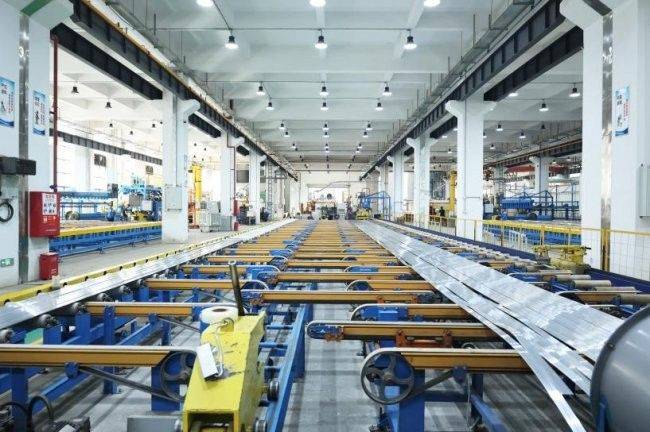
A full range of smart squeezed equipment with flexibility to match multiple needs
In the core squeeze chain, the new aluminium industry introduced the country's leading compression line for intelligent aluminium-type materials, which includes 4000 t, 2750 t, 2,500 t, 2000 t, 1450 t, 1,000 t, 700 t, etc., and integrated closed ring temperature control and pressure management systems. Large-tonne machine types can produce large cross-section loads such as new energy car battery trays and bumpproof beams, and small-tonne machine types are suitable for sophisticated small components such as robotic joint casings and sensor support. Full series coverage ensures stable mass production of products of different specifications。
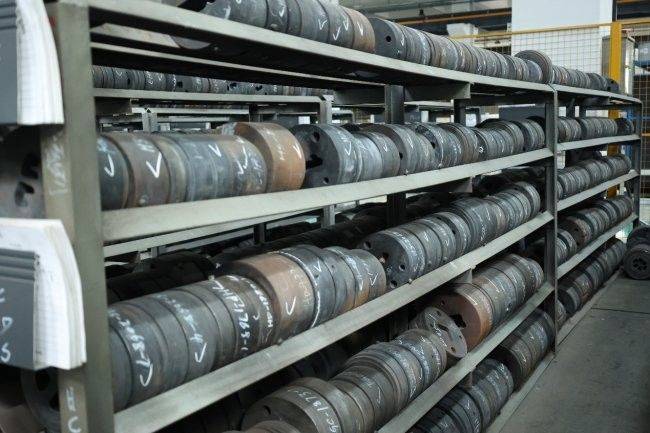
5,000 sets of diem support, rapid response development
In the aluminium industry, the retention and development capacity of the mould directly reflects the pace of enterprise r & d and the level of responsiveness to customized demand. The new aluminium industry has more than 5,000 sets of moulds covering multiple cross-sections and specifications, such as the third power system for new energy vehicles, collision resistance structures, robotic skeletons and industrial automation materials. This means that when the client proposes a new cross-section design or structural programme, the new aluminium industry can complete the test and amendment in a relatively short period of time without waiting for external modelling, significantly reducing the cycle from drawings to samples. This fast-tracking capacity is a key consideration in the supply chain selection for highly dynamic new energy companies, evtol starters or robotics。
From the scale production base to the full range of squeezed equipment, from the rapid r & d capability represented by the 5,000 sets of moulds to the depths of manufacture associated with the cnc precision processing, the new aluminium industry has made complete access from aluminium alloys to high-precision parts. The new aluminium industry is providing reliable, efficient and customized aluminium alloy solutions for high-growth tracks, with solid chassis and agility response systems, at a time when light quantification has become the core drivers of new energy vehicles, low-altitude economies and human robots。
Generate poster



