


A study team, led by the blue sea salt lake of the central college, with the participation of the people and the district apricot and ziza villages, visited the sweet sorghum planting base of the institute of modern physics of the central college in wuwe, gansu province, to explore and study sweet sorghum cultivation techniques。
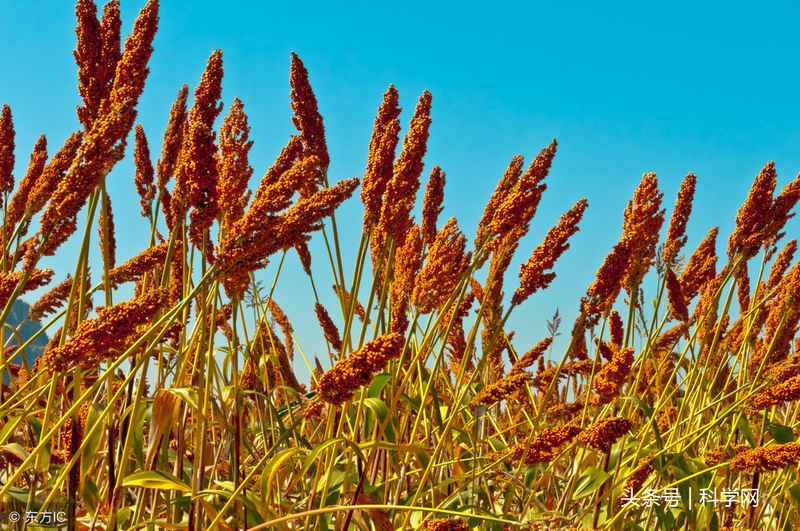
Takashida is in the blue sky
The sweet sorghum “near sweet one” is known to be a new species of grass produced by recent physics in the middle school, with high-yielding, high sugar, pre-maturity, drought-resistant and disease-resistant characteristics. It is used as a diet rich in nutrients, with sugar twice as high as maize, and acre production capable of raising 15 sheep animals, three times as much as traditional green feed. Twist
Forage is good for mouth and livestock is good for cattle and sheep and can effectively improve meat and milk production and quality. At present, the sweet sorghum has been successfully replicated in the western corridor of river gansu province and in the prefecture of xia chau, with good economic benefits。
The village of ziza, the village where the people and county apricots are helped by qinghai salt lake, has a traditional industry, where traditional grazing has been restricted in recent years due to, inter alia, environmental protection, where cattle and goats have begun to shift more to a combination of grazing and animal husbandry, and inadequate animal feed has been the main constraint on the development of the farming industry。
In order to further promote poverty alleviation and contribute to poverty alleviation, the qinghai salt lake commission has decided to promote sweet sorghum no. 1 in the village of hiza, to develop farming in the village of hiza, and to team up several times to visit and validate the village, where a test seed was arranged at the beginning of this year: one acre in four different plots of land, which, according to the results of the boom, was successful。
Chen jinghong, a researcher at the institute of modern physics of the central college of science, led the team to the sweet sorghum growing grounds, giving details of the size, growth and development of the sorghum growing at the base and providing detailed lectures on the knowledge and techniques of sorghum cultivation, harvesting, cyanide storage and livestock breeding. Chen jinghong also led the team to the workshop on the integrated use of sweet sorghum in the nearness complex。
On the spot, village representatives and village cadres asked about the technology, knowledge and interest in sugar and sorghum cultivation, and after the visit expressed confidence that it would be expanded throughout the village. Sugar and sorghum cultivation in the village of hiza will contribute significantly to the development of traditional farming in the region and will be important for the economic development of the region. Shen chun-lee



