


The mushrooms are called mushrooms, mushrooms, etc. And contain rich calcium and amino acids and other trace elements for humans. The popular word for "mountains" means "mountains". The mushrooms are fat, tastes good, can be drugged and have good therapeutic effects. Here's the fall-plant management technique for mushrooms。
I. Indoor fungi
The cultivation of mushrooms takes about 60 days from vaccination to maturity. In autumn winter, attention is paid to the temperature of the control room, the temperature of the fungus is contained at around 25 degrees, the relative humidity of the indoor air is controlled at less than 70 per cent, and the mushrooms should be moved into the culture of the fungus in time for vaccination。
During the 1-6 days following the vaccination of the mushrooms, room temperature in the fungus room is at 28-30 degrees, at a time when the fungus is in the precipitating stage, be careful not to flip the bag, ventilate and light。
The room temperature in the fungus chamber is controlled at 26-28 degrees for 7-10 days after the vaccination of the mushrooms, at which point the fungus silk begins to grow to feed, with good ventilation and two or three ventilations per day. At this stage, care is taken to flip every seven days by changing the location of the upper and lower bacterium bags so that each bag can be managed under the same conditions。
Ii. Fouling of fungus bags
When mushroom silk matures, the colour changes from white to red brown and yellow beads appear. The change in the color of mushrooms is directly related to the production of mushrooms, and the change in the color of mushrooms is decided in the morning and in the evening. When the fungus filament is chromosome, the ventilation is enhanced so that the concentration of carbon dioxide in indoor air is less than 0. 1 per cent. Attention is also being paid to increasing indoor dispersion, which can affect the growth of the mushroom base. In addition, the thin membrane of the fungus can be applied in a time-lapse approach, so that the fungus can be wet during dry periods of its growing environment and contribute to the chromosomalization of the fungus。
Iii. Outdoor mushrooms
The mushrooms are low-temperature strains, which are moved to the cold outside of the room when the fungus is turned into red brown. Covered with wheatgrass on and off the fungus to ensure a certain temperature. The water will then be wetted, so be careful not to spray directly on the fungus, otherwise it will be easy to breed bacteria and become soft and rotting. In the evening membrane, during the day, the membrane can be removed and the mushroom treated directly after 4 or 5 days。
Iv. Shroom management
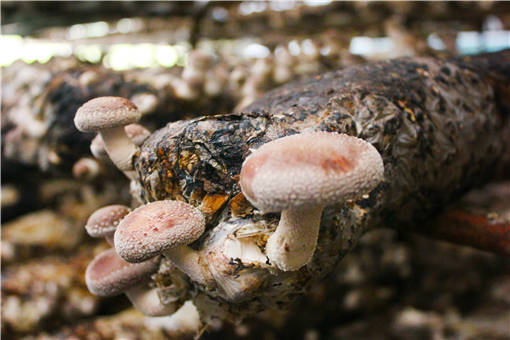
The cold weather is more conducive to the growth of mybs, and the fall temperatures are declining, giving mushrooms a good climate. If the film in the fungus bag is cut open with a small knife, the next step can be taken. In general, the mushroom period lasts about 10 days without covering. When mushrooms grow into peanut rice, they can take the next step。
When mushrooms grow to two or three centimetres, the growth of the sub-entity can be accelerated by accelerating temperature by pouring water on the surface. A dry and wet alternation, whereby the film is removed at night, the cold air enters, and the film covers are then added, which can be repeated several times, and can facilitate the fragmentation of the fungus into velvet mushrooms. The mushrooms are finished, and then they can be collected and stored。
These are a brief description of the fall-planting techniques for mushrooms, which are low-cost and cost-effective, and for friends who are interested in planting them。



