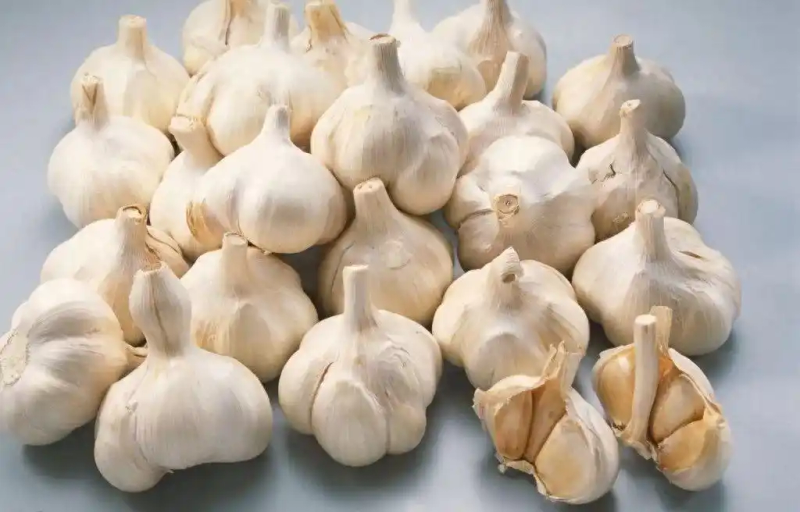
Garlic is an important vegetable crop with high economic and pharmaceutical value. In order to improve the production and quality of garlic, membrane-cover farming has become an effective form of cultivation. This paper will present key technologies for high-quality garlic membrane cover cultivation, including membrane selection and laying, fertilizer application, water management and pest control. The rational use of these technologies can improve the production and quality of garlic and meet market demand。
I. Selection of the membrane and laying
The selection and laying of membrane is an important component of high-quality garlic membrane cover. Proper selection and laying of the membranes can provide a suitable growth environment and promote the growth and production of garlic. The selection of the membranes and key technologies for their laying are described in detail below。
(i) membrane selection
In selecting the membrane, the following factors should be taken into account:
(1) optimism
The permeability of the membrane directly affects the efficiency of light use. In general, the selection of photolytic membranes increases the efficiency of photosynthesis and promotes plant growth. A pe (polyethylene) membrane or eva (ethylene acetate) membrane with a high perforation rate is commonly used。
(2) temperature performance
As garlic is more sensitive to temperature, the choice of a membrane that is more temperature-preserving can provide a warmer growth environment and promote the growth and development of garlic. In general, the selection of membranes with higher heat transfer coefficients, such as black or black inner-white outer membranes, can provide better temperature protection。
(3) aging performance
The membrane needs to be exposed to the outside environment for long periods of time, so the choice of a membrane with good aging tolerance can prolong the useful life and reduce replacement costs. Common membranes have ageing-resistant membranes that are treated against ultraviolet。
(4) resistance
The membrane needs to experience the role of the natural environment, such as wind and rain, and the selection of a diaphragm with a high resistance ensures the membrane integrity and reduces the risk of damage. In general, the choice of a membrane with a higher tensile strength meets this requirement。
(ii) laying of membranes
The laying of the membrane requires the following attention:
(1) ground preparation
Adequate ground preparation is required before the membrane is laid. First, weeds and residues in the fields are removed and the ground is clean and clean. The necessary farming is then done peacefully to level the soil surface and to facilitate the laying of the membranes。
(2) the manner in which the membrane is laid
The membrane can be covered in one or more rows. Single-line coverage applies to wider line spacing, and multi-line coverage applies to narrower line spacing. In laying the membrane, it is necessary to ensure that the membrane is flat, on the ground, and that wrinkles and gaps are avoided in order to increase the membrane temperature and lightness. Specialized membrane-laying equipment could be used to improve the efficiency and quality of the laying。
(3) stabilization of the membrane
To prevent the membrane from being blown or moved by wind, the membrane needs to be fixed. A membrane patch or burial can be used. The membrane bands can fix the membrane on the ground, while the ground is fixed by burying the edge of the membrane into the soil and increasing its fixedness。
(4) maintenance of the membrane
During membrane coverage, the condition of the membrane needs to be regularly checked and damaged or loose membranes repaired in a timely manner. At the same time, attention should be paid to ventilating and avoiding high temperatures and humidity beneath the membranes, which adversely affect the growth of garlic。
Ii. Fertilizer application
Rational application of fertilizers is one of the key components of high-quality garlic membrane cover cultivation. Proper fertilization can provide adequate nutrition, promote the growth and development of garlic, increase production and improve quality. The following are some of the key technologies used for fertilizer application in garlic membrane cover。
(i) soil analysis and fertilization programme development
Soil analysis is important before fertilization. Soil analysis allows for the understanding of soil nutrient content and ph, and the targeting of fertilization programmes. Based on soil analysis, appropriate fertilizer types and fertilization levels are determined to meet the nutrient demand for garlic。
(1) basic fertilization
Basic fertilization is essential before garlic is grown. Basic fertilization is primarily designed to provide the nutrients needed for the early growth of garlic. The bottom fat can be spread evenly to the field and fully mixed with the soil before the whole land is laid. Bottom fertilizers can choose a combination of organic and chemical fertilizers, such as farm-based fertilizers, decomposition organics or compound fertilizers。
(ii) fat pursuit
Garlic requires different stages of fatting during its growth to meet its nutritional needs. Fertilization should be reasonably applied in accordance with the growth phase of garlic and the nutritional needs of crops。
(1) following phosphorus, potassium fat in early growth
Garlic requires large amounts of phosphorus and potassium elements in the early stages of growth, which facilitate the development of the roots and nutrient absorption. The combination of phosphorus and potassium fertilizers, such as potassium phosphate and ammonium phosphate, may be selected。
(2) nitrogen fertilizers during the glazing period
During the expansion of garlic, appropriate quantities of nitrogen fat are needed to promote the expansion and weighting of garlic. Nitrogen fertilizer, such as urea and ammonium nitrate, can be selected for pursuit。
(iii) leaf fertilization
Leaf fertilization is an effective way of supplementing fertilizers. It is possible to quickly supplement the nutrient demand in the garlic growing process by fertilizing the leaves and increasing their utilization. Common leaf-spray fertilizers include micronutrients and organic fertilizers. In the case of leaf fertilization, care should be taken to select suitable concentrations and application times to avoid leaf burns and waste of fertilizer。
(iv) application of organic fertilizers
Organic fertilizer has good effects on garlic growth. Organic fertilizer improves soil structure, increases soil fertility, provides nutrients for plants and enhances soil water conservation. Obscene agricultural fertilizer, composting or organic waste may be selected for application. The application of organic fertilizers can be combined with fertilizer to achieve an adequate nutritional supply。
The following points need to be noted during fertilization:
(1) time of application
The timing of fertilization is reasonably determined according to the growth needs of garlic and local climatic conditions. The pursuit of fertilization is usually carried out in the early and mid-term stages of garlic growth, avoiding late or early fertilization, so as not to affect the growth and development of garlic。
(2) fertilisation
Fertilizers can be applied evenly, between rows or ditches to select suitable fertilisation methods based on local soil and cultivation habits。
(3) fertilization
Fertilizers should be reasonably determined according to the growth phase of garlic, the characteristics of the species and soil fertility. Too few fertilization can lead to nutrient deficiencies, affecting yields and quality; too many fertilization can lead to waste and environmental pollution。
Rational application of fertilizers is one of the key technologies in high-quality garlic membrane cover cultivation. Through soil analysis, sound fertilisation programmes, basic fertilisation and fertilization, and rational application of leaf and organic fertilizers, garlic can be adequately nourished and its growth and development promoted. Attention also needs to be paid to the timing, manner and reasonable control of fertilization during fertilization. Scientific fertilizer management can improve the production and quality of garlic and increase economic efficiency。
Water management
Hydrological management is an essential part of high-quality garlic membrane cover. Sound water management can effectively contribute to the growth and development of garlic and improve yields and quality. The following are some of the key hydro-management techniques:
(1) irrigation technology
The choice of appropriate irrigation is essential for the growth of garlic. Common irrigation methods include spraying, drip irrigation and seepage. Spraying is applied to large areas of irrigation and can cover the whole field evenly, but care needs to be taken to avoid loss of moisture and the high humidity of leaves. Drift irrigation is an efficient irrigation method that can direct water to the roots of the plant and reduce water waste. Infiltration is the infiltration of water into the soil through underground pipelines, using the soil's own capacity to absorb water and providing an appropriate amount of water for garlic farming. The choice of suitable irrigation is made on the basis of local climatic conditions, soil types and the growth needs of garlic。
(2) volume and frequency of irrigation
Reasonable quantity and frequency of irrigation are key to water management. The growth phase and climatic conditions of garlic directly affect the quantity and frequency of water recharge. In general, garlic requires less moisture in the early stages of growth, but increased water supply is needed during the maturation and maturity of the garlic. In hot and dry weather, additional water recharge and frequency is required to maintain soil moisture. At the same time, however, over-irrigation should be avoided in order to avoid soil water logging and root suffocation. Through monitoring of soil moisture and regular observation of the growth status of garlic plantations, the amount and frequency of water recharge can be adjusted as needed。
(3) soil conservation measures
Maintaining soil moisture and reducing water evaporation are important strategies for water management. Covered membranes can effectively reduce evaporation on the soil surface and maintain soil moisture. In addition, other conservation measures, such as covering of organic materials such as straw and grass-crumbs, may be used to maintain soil moisture. These organic materials can serve to keep the temperature wet, reduce water evaporation and provide suitable growth environments for garlic farming。
Other key technologies
In addition to the key technologies mentioned earlier, such as membrane selection and laying, fertilizer application, moisture management and pest control, other technologies play an important role in high-quality garlic membrane cover cultivation。
(1) temperature management
Garlic is a warm crop with higher temperature requirements for the growing environment. In membrane cover cultivation, the growth of garlic can be facilitated by a reasonable regulation of the temperature below the membrane. During cold seasons, membrane materials with thermogenic properties can be selected and appropriate temperature protection measures, such as an increase in the organic cover under the membrane or the use of greenhouses, can be taken to improve soil temperature and promote the seeding and growth of garlic. In the case of high summer temperatures, ventilation can be used to cool, for example by opening the side of the membrane in due course or by using sunnets to reduce the temperature below the membrane and prevent overheating of garlic。
(2) cultivation management
Proper cultivation management is essential for the growth and development of garlic. These include timely weeding, garlic, pest control, and the support of garlic. Timely weeding reduces the competition of weeds for garlic and ensures its nutrient and water supply. Garlic is used to remove, in due course, garlic seed from poor growth or impaired pests, to preserve good-quality garlic seedlings and to facilitate the expansion and equitable development of garlic. At the same time, surveillance of pests and diseases should be strengthened and timely prevention and treatment measures taken to protect the healthy growth of garlic。
(3) appropriate timing of harvest
The timing of the garlic harvest directly affects production and quality. In general, the timing of the garlic harvest is when the garlic is full, thin and bright. By observing the state and appearance of garlic, the right timing can be determined. Timely and accurate harvesting avoids the loss of garlic as a result of overgrowth, while at the same time contributing to maintaining the quality of garlic and extending its storage period。
Concluding remarks
High-quality garlic membrane cover cultivation is an effective way to improve garlic production and quality. By selecting suitable membrane materials, properly laying the membrane, rational application of fertilizers, scientific management of moisture, effective control of pests and pests, and attention to the application of other key technologies, the production and quality of garlic can be improved to meet market demand. As technology continues to innovate and progress, it is believed that garlic membrane cover cultivation will play a more important role in future development and contribute more to the development of the garlic industry。