011. Holistic and fertilization elements
1. 1 selection of suitable soils
The roots of garlic are stringy and the capacity to absorb moisture and nutrients is relatively weak, and it is therefore appropriate to select sandy soil as a planting soil. The laxity of sandy soil contributes to the healthy development of the root system, allowing garlic to return to and smoke earlier, with large and spicy garlic, and easy to harvest。

1. 2 base fertiliser application and landscape
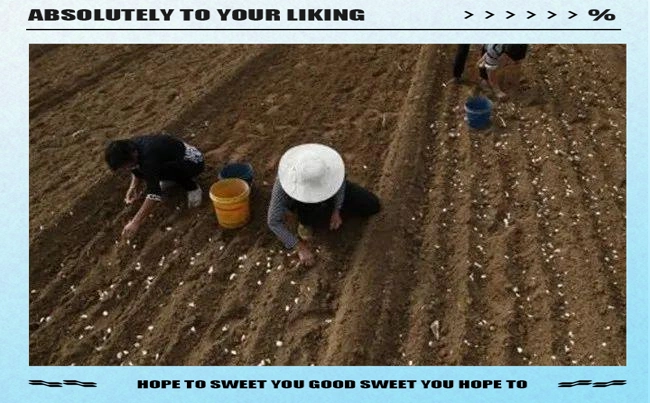
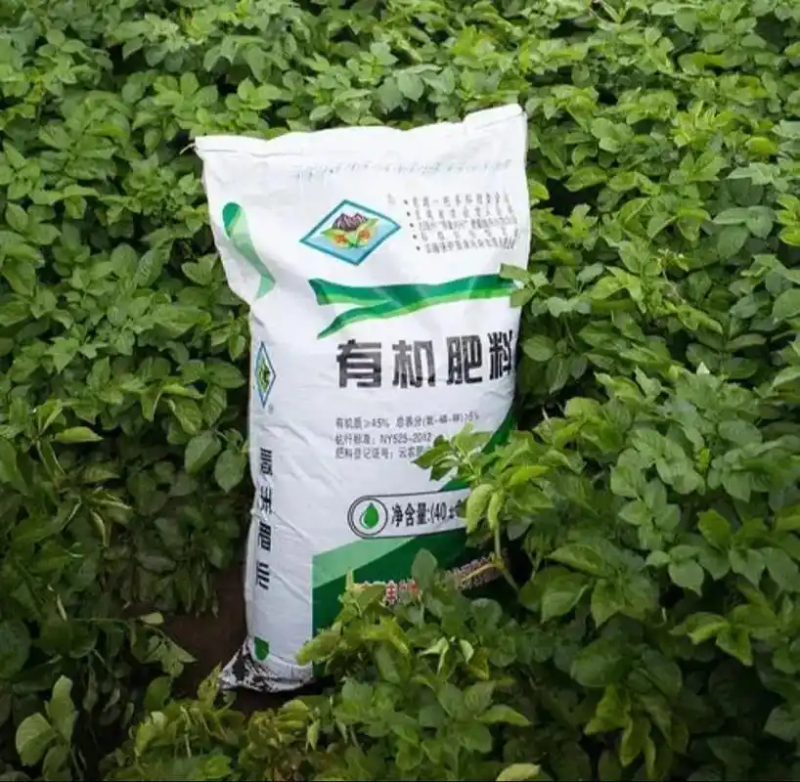
In the case of garlic, the pre-harvest crop should be ploughed and tanned in a timely manner so that the ground can be ploughed before planting. Base fat should be evenly applied to the soil before tilling. The demand for fertilizers is also relatively high because of the long growth cycles and high group density of garlic. Typically, between 5,000 and 8,000 kg of high-quality organic fertilizer is required per acre, together with 20 to 30 kg of phosphorus, potassium and 40 to 80 kg of bacterial fertilizer. There is a need to ensure that organic fertilizers are fully decomposed in order to avoid garlic burns and underground pests, especially maggots, that may result from the fermentation process。

When the field is covered, care should be taken to ensure that the width is between 1. 5 and 2 metres and that it is appropriate to extend it to east and west。
Autumn garlic planting technology
2. 1 timing and density of seeding
The planting of garlic in the autumn is essential and directly affects the growth and production of garlic. It is crucial to have the right timing for planting. In the yangtze basin and areas south of it, seeding is usually appropriate between mid-september and late. At this time, the high temperatures in the yangtze basin provide ideal conditions for the soil production and growth of garlic seedlings。
Sound planting is key to increasing garlic production. The production of garlic and garlic is determined by the number of plants per acre, the number of individual garlic petals, and the weight and weight of the petals. Depending on the characteristics of the different varieties, they should be reasonably sequestered to ensure an adequate number of plants per acre。

2. 2 seeding methods and environmental management
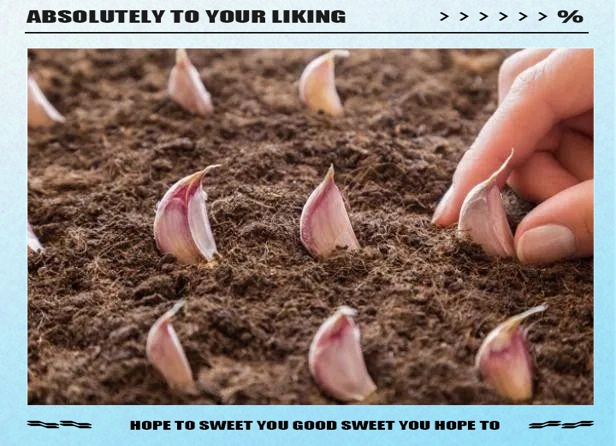
During sowing, the sowing depth was 3-4 cm. Farmers have learned from long-standing practice the experience of “deep onions”. The planting method has a clear impact on the seedling and growth of garlic. There are two ways to sow the seed: by plugging the petals into the earth, and plowing them behind the ground; and by opening a ditch, by opening a shallow ditch with its head, by placing the petals in a ditch, and then covering the preceding row with the excavated soil, which is about 2 centimetres thick and then pouring water. For drought prevention, straw or other wetting materials can be covered on soil。
2. 3 field management and fatting
Fertilization is an important part of the management of garlic fields, and the types of fertilizers and periods of application have a significant impact on the growth and production of garlic. Despite the availability of a petal to provide nutrition during the early years of garlic seedlings, timely pursuit of fertilizers remains essential. As a general rule, garlic needs to be followed up three to four times, including seedlings, fattening, pregnancy and garlic fattening, appropriate fertilizer and application。
2. 4 garlic and garlic management
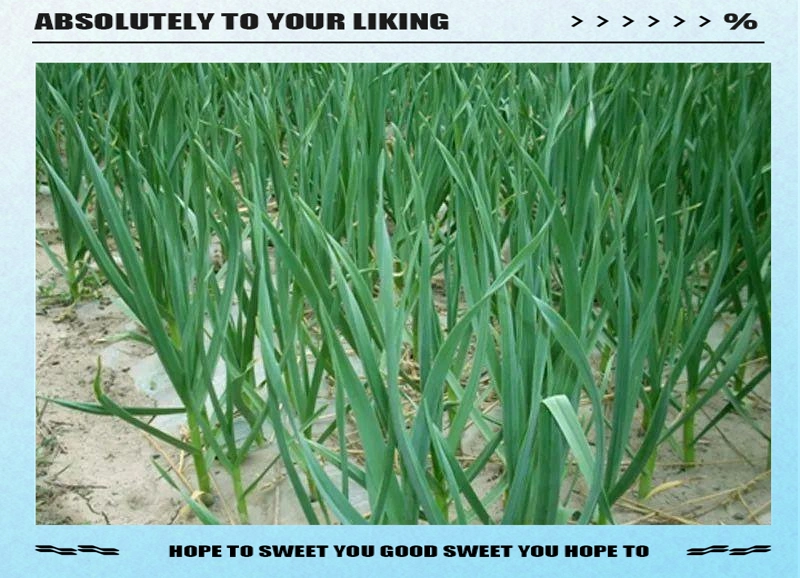
The long-term and timely harvesting of garlic and garlic is an important measure to improve the commodity nature of products. Garlic harvests usually take place 15 to 20 days after the garlic harvest, when the garlic is fresh out of the leaf and begins to bend。

Membrane cover cultivation technology
3. 1 magnetic advantage and increased production
The use of membrane-covered cultivation techniques to manage garlic can significantly increase production. The membrane cover increases the temperature, maintains moisture and effectively increases the growth and disease resistance of garlic seedlings, thereby significantly increasing yields. Specifically, membrane cover reduces the evaporation of soil moisture, avoids the adverse effects of early spring watering, reduces the temperature of the ground and provides better conditions for garlic growth。
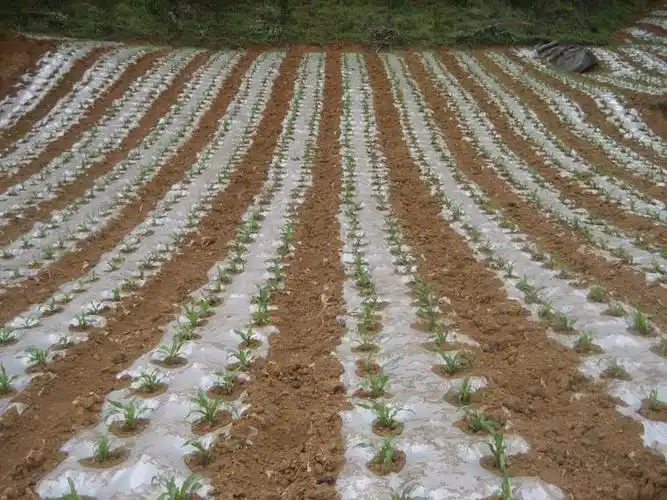
3. 2 elements of cultivation techniques
The application of the membrane requires precision, regulation of the membrane, timely seeding and strengthening of nursery and mid-term later management. The planting process is followed by timely watering to promote the rooting of garlic and, during the reproductive period, frequent visits to and the removal of seedlings under membranes to prevent growth constraints。