The office of the joint inter-ministerial conference on the construction of intellectual property powers in the country launched on 16 june the plan for the advancement of intellectual property power countries in 2026, which places seven priorities in the areas of improving intellectual property systems, strengthening intellectual property protection, improving the functioning of intellectual property markets and deepening participation in global intellectual property governance. It is clear that a number of initiatives have been undertaken to strengthen intellectual property protection。
It is clear that special initiatives have been launched to combat cyber-infringements, such as swordnet 2026, copyright protection in cinema films, sword 2026, and youth copyright protection season, to improve the mechanisms for early warning of works in priority areas, copyright protection in creative products, special enforcement actions in the emerging areas of “protecting intellectual property rights” and e-commerce, and the organization of a special initiative on the protection of intellectual property rights at customs level, to accelerate the development of customs “intellectual intellectual property rights”。

At the same time, efforts are being made to strengthen the governance of patent applications and the malicious registration of trademarks that violate the principles of good faith, to improve the protection of pre-privatization services, to strengthen guidance on the application for registration of regional brands and to dispose of trademarks with significant adverse effects in a timely manner。
In addition, the plan calls for the construction of long-lasting mechanisms for the conversion of intellectual property, the sound improvement of the ecological system for the application of intellectual property rights, the continuous deepening of the stock-taking of patents in institutions of higher learning and scientific research institutions, the sound development of mechanisms for pre-patent evaluation and the conversion of patents into due diligence exemptions, and the exploration of working models for the use of artificial intelligence for the conversion of patents。

The office of the joint inter-ministerial conference on the construction of intellectual property powers in the country launched on 16 june the plan for the advancement of intellectual property power countries in 2026, which places seven priorities in the areas of improving intellectual property systems, strengthening intellectual property protection, improving the functioning of intellectual property markets and deepening participation in global intellectual property governance. It is clear that a number of initiatives have been undertaken to strengthen intellectual property protection。
It is clear that special initiatives have been launched to combat cyber-infringements, such as swordnet 2026, copyright protection in cinema films, sword 2026, and youth copyright protection season, to improve the mechanisms for early warning of works in priority areas, copyright protection in creative products, special enforcement actions in the emerging areas of “protecting intellectual property rights” and e-commerce, and the organization of a special initiative on the protection of intellectual property rights at customs level, to accelerate the development of customs “intellectual intellectual property rights”。
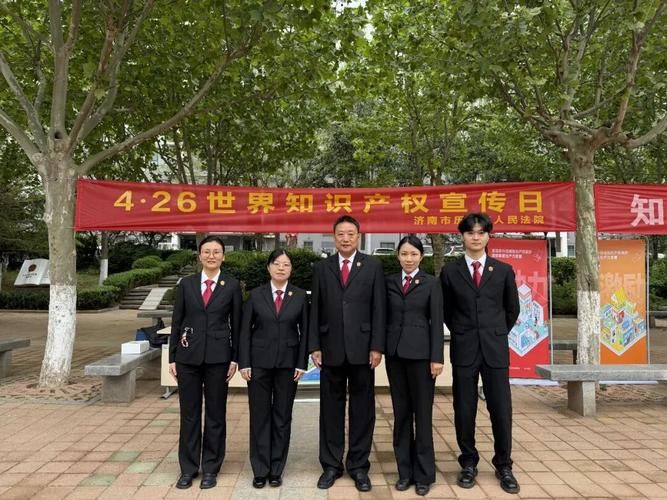
At the same time, efforts are being made to strengthen the governance of patent applications and the malicious registration of trademarks that violate the principles of good faith, to improve the protection of pre-privatization services, to strengthen guidance on the application for registration of regional brands and to dispose of trademarks with significant adverse effects in a timely manner。
In addition, the plan calls for the construction of long-lasting mechanisms for the conversion of intellectual property, the sound improvement of the ecological system for the application of intellectual property rights, the continuous deepening of the stock-taking of patents in institutions of higher learning and scientific research institutions, the sound development of mechanisms for pre-patent evaluation and the conversion of patents into due diligence exemptions, and the exploration of working models for the use of artificial intelligence for the conversion of patents。