


I. Selection of excellent varieties
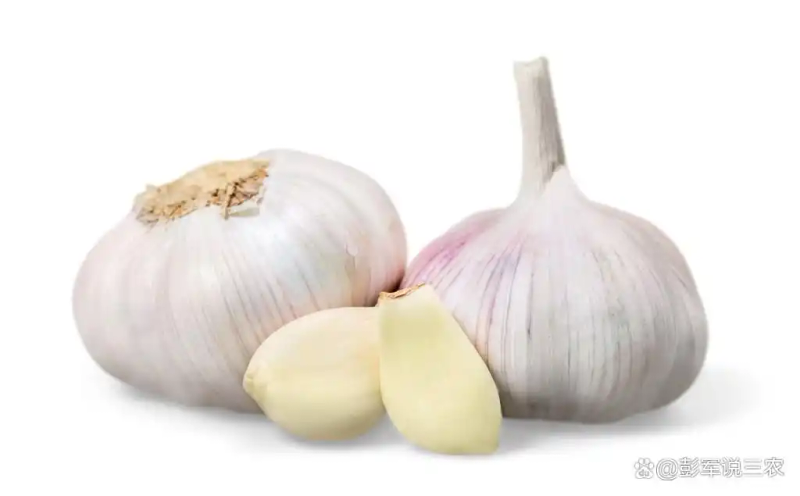
The range of garlic chosen should be highly productive and resistant. The better quality of garlic, its skin is thinner, the garlic is thicker, the garlic is thicker, the garlic is thicker and can be stored for long periods of time. The better-quality garlic is growing stronger and more resistant to cold。
Ii. Cultivation techniques
(1) scrolling in due time, reasonable secrecy
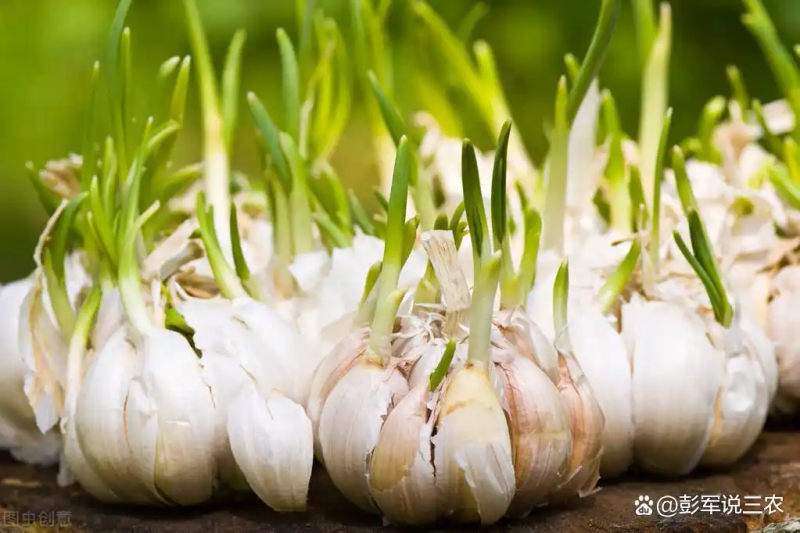
The more suitable temperature for planting garlic is around 22 degrees centigrade, and in the case of planting in the autumn, the usual time is to plant garlic in the middle of september, when the five leafs grow, with a strong ability to resist the cold, and before sowing, the garlic will be very strong in the winter, with premature decay occurring in the spring; in the case of replanting after october, the life of garlic will be shortened in the winter, the nutrients absorbed in its growth will be reduced and the quality of garlic will not only be affected, but also its production will be reduced. While seeding takes place at the right time, it also requires rational planting, usually with 30,000 garlic plants per acre。
(2) improved seed quality
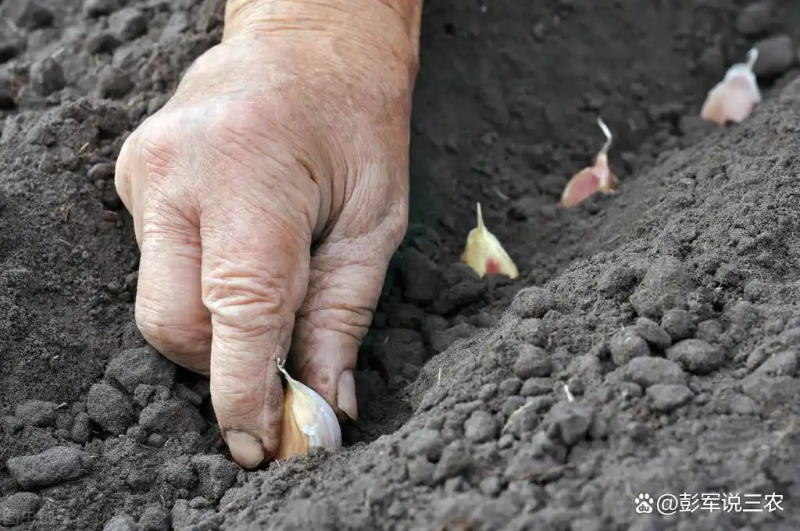
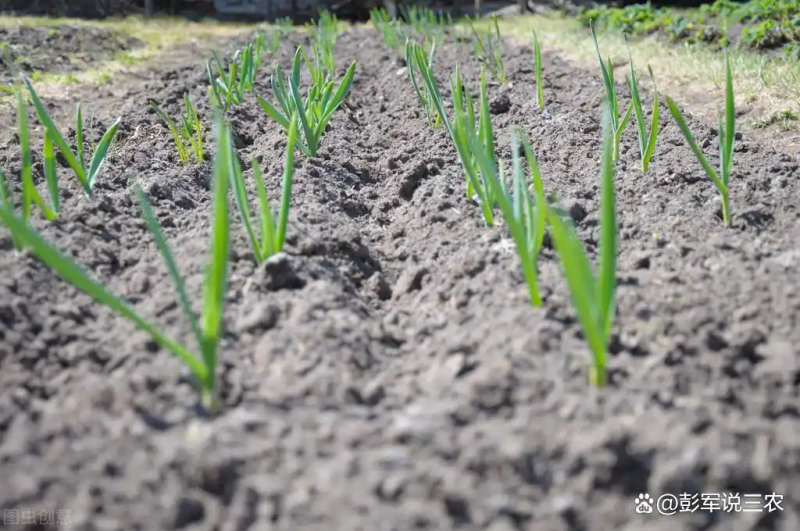
When you open a ditch to sow, the garlic is set according to the spacing of the plant, bearing in mind that the back of the garlic is connected in the same direction as each row. Five centimetres of depth would be most appropriate for seeding, and if more than five centimetres, the length of seeding would be increased; if the sowing is not more than three centimetres deep, it happens. When the garlic petals are planted, a layer of soil is laid and flattened, and then water is poured to the ground, so that root growth can be facilitated and garlic can be reduced. It is important to be careful that if water is not poured, the seedlings will be incomplete and, if water is poured, garlic can easily rot。
(3) spray herbicide, timely covering
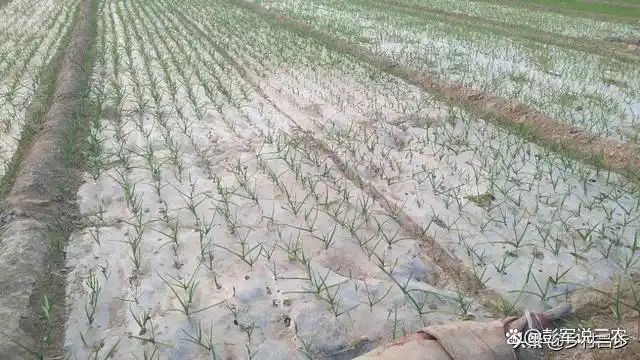
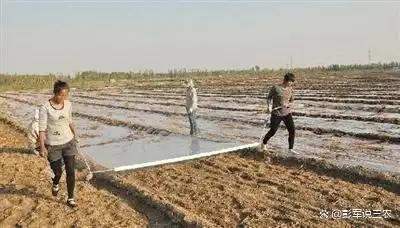
When a thin layer of soil is covered, it is sprayed with herbicides, which are sprayed with an equal amount of 250 ml and 60 kg of water mix. Once the herbicide has been sprayed, the membrane is covered up to the ground and then a layer of membrane is covered, so that there is no wind entering, the diaphragm is used, its temperature protection is more effective, its yield is higher, faster and more consistent。
(4) timely defilamentation of seedlings
After seeding, if the seedling reaches more than 80 per cent, the membrane is to be removed in a timely manner in order to avoid burning the seedlings that are unable to take out the membrane。
Iii. Fertilizing the whole area
Garlic is highly adaptable to planted soil, which is usually grown where the soil is available, although it is better to plant it on micro-acid sand soil, which is rich in organic matter and has good drainage. The planting of garlic on this soil promotes the growth of the root system, and it is early in the morning, with larger garlic, stronger garlic and easier garlic. Scrutinizing and fine-tuning the soil where garlic is grown, and adequate application of organic fertilizers in the soil, can effectively improve the production and quality of garlic. The permeability can be enhanced through fine-blown soils and soil microorganisms are more active, so that garlic roots can grow better. The soil in which garlic is grown is generally deep in 30 cm. After the harvest of the first crop, a deep tan is required as soon as possible, followed by a bottom fertilizer in the soil and seeding, and since no fat can be followed by a membranes, each acre of fields before seeding requires the application of farm, phosphorus and pie, as well as urea, potassium sulfate compound fertilizer and zinc sulfate。
Iv. Employment
After a fine selection of suitable garlic seeds, ensure that the temperature of the plant is maintained at 19° c to sow, that planting is reasonable, that it is not too dense, and that it is completed with a suitable amount of soil, which is then covered with a double membrane. The cover should be kept flat on the surface of the surface of the membrane, ensuring that there are no gaps under the membranes and that they remain close to them, thus helping to control the growth of weeds. When the garlic comes out with more than half the seed, wire is used to pierce the membrane with a diameter of one centimetre。
V. Field management
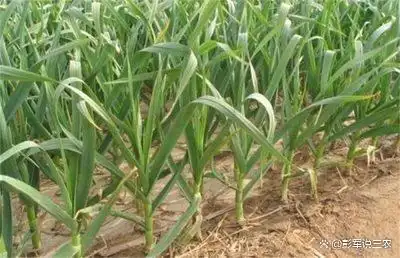
One is seed management. As a result of the lower temperatures, the late-dry garlic is not immediately disemboweled when seedlings are produced, until the seedlings grow four leaves before placing small holes. The growth of seedlings can be accompanied by a large number of variable roots, with garlic beginning to divide, during which period the seedlings can accumulate many nutrients, during which time the planter will be required to remove the coverings from the membrane and, if damaged, to repair them. The second is in management. Garlic during this period is primarily nutrient-absorbed, and the required amount of fertilizer and water is the largest in the garlic process, with only abundant fat water and the same up and down on garlic. This period is dominated by fattening of the leaves; when the garlic is exposed, the membrane can be removed and the weeds removed from the ground, and appropriate pine soil can facilitate the robust growth of the garlic. Three is garlic inflatment management. The top end of the garlic is removed after the screech, so that the nutrients in the garlic are quickly transferred to the bottom and the garlic is promoted into the swelling period. This period is mainly devoted to the protection of the garlic roots and function, ensuring that their life span is extended, to the extent possible, so as not to cause injury to the tubers and leaves and to the healthy growth of the leaves。
Vi. Fertilization
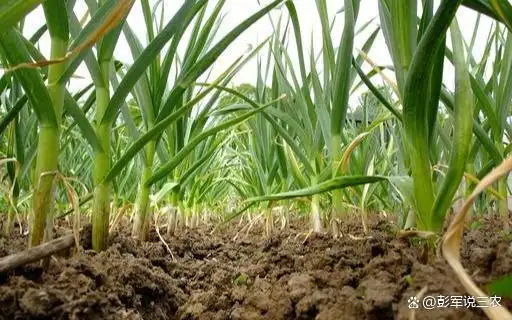
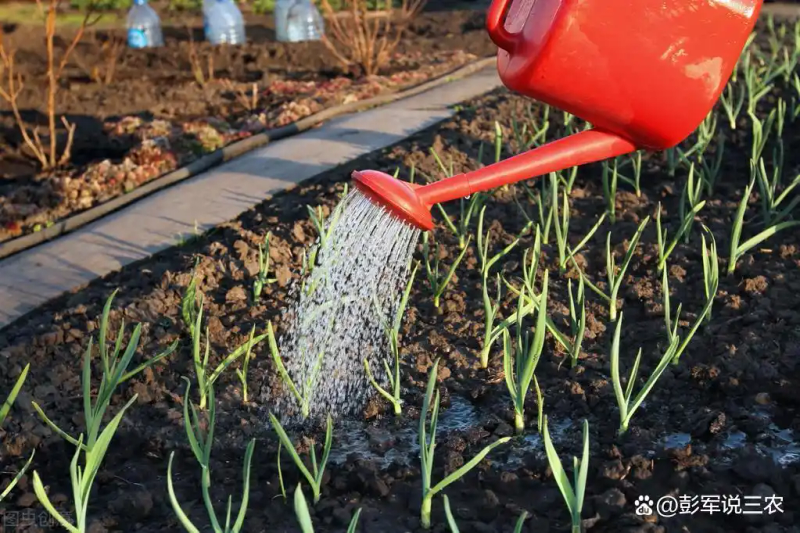
The use of diaphragms for covering garlic production has led to the dominant use of base-based fertilizers in fertilization. However, it is important not to lose weight while choosing the right time to do so. The amount of fertilizer used is based on the proportion of potassium nitrogen phosphorus absorbed by garlic during growth. When the temperature rises in the second year of spring, the water will be watered to ensure the moisture of the garlic plant according to the growth and temperature of the garlic seedlings. The pumping requires another water injection, which facilitates rapid growth of infiltration and increases production. It is necessary to spray a leaf once with a leaf fertilizer until more than 70 per cent of the tail is thrown out of garlic and applied 600 kg of fertilizing per acre. No more water was needed five days before the trip。
Vii. Pest management
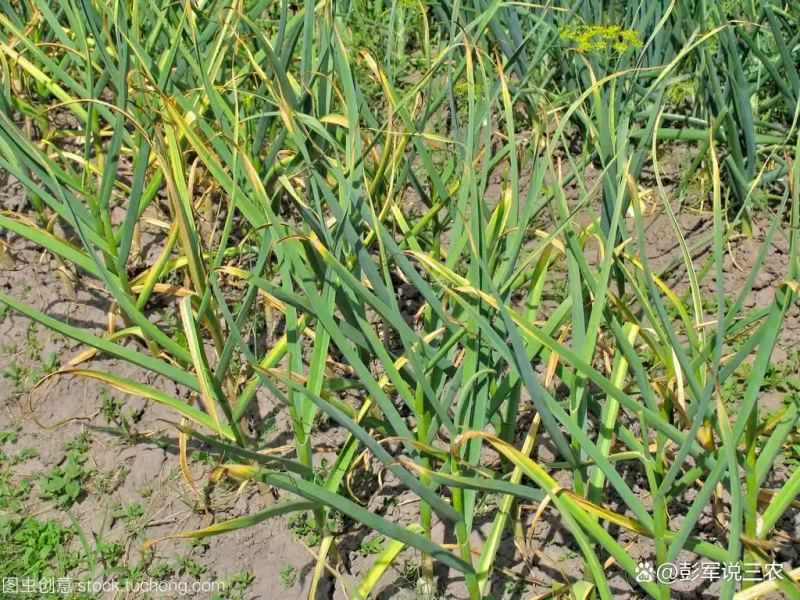
Insects and pests that often occur during garlic growth include albinism, leaf withh, garlic maggots, etc. The prevention and treatment of folate can be carried out using a bacterial wettable powder, which is used every ten days at the beginning of the disease and can be sprayed four times. The main drug used for albinism is the fungus humid powder, which is 50 per cent less than 500 times the dose, sprayed in the early stages of the disease; it can also be treated by rooting with hysteria-wettable powder, which can be administered once in 10 days and three times more. The control of garlic maggots can use thiphos-methyl in the field, using 15 kg per acre。
Viii. Receiving and accessing in time
(1) in due course
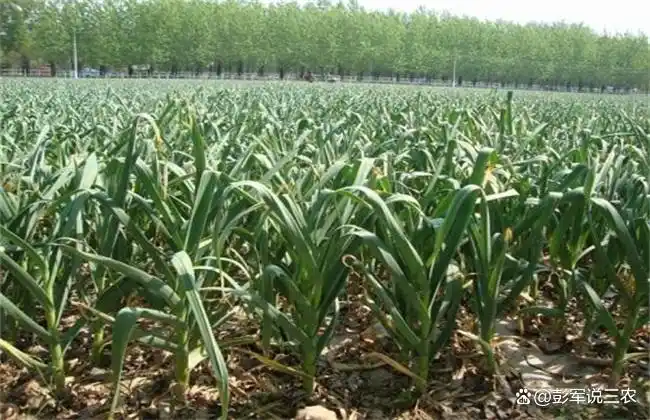
The timing of the pick-up of garlic needs to be determined in terms of the varieties planted and the purpose for which it is grown, and if the pick-up is mainly based on the height of the pick-up, and the degree of bending, the timing of the pick-up may be determined in terms of the pick-up of garlic, if it exceeds seven centimetres of the leaf, and if the top is not bent, it is the best pick-up time; if the garlic is 15 centimetres above the leaf, and the upper part is bent down, the amount of garlic is higher. In addition, the five days before the pick-up of garlic is no longer required to be watered until the harvest has been completed, which would allow a good increase in garlic production。
(2) garlic harvest
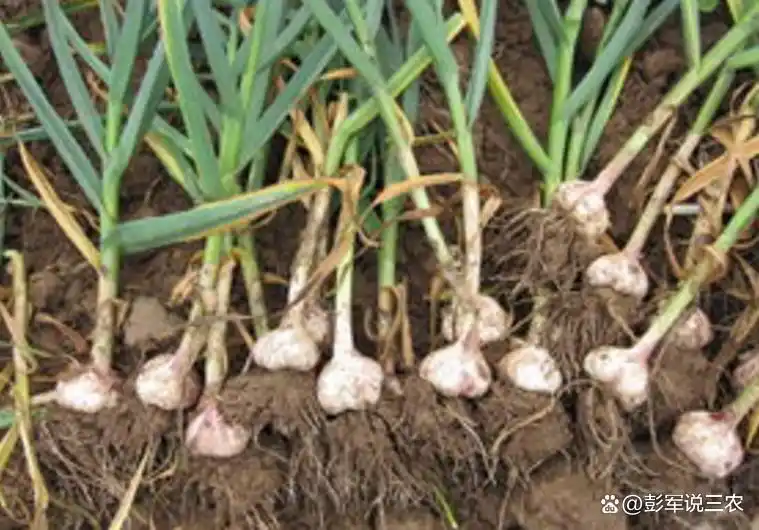
Garlic leaves are of grey green colour, green leaves are about three, the skin is dry and the beards around the garlic troughs can be harvested. Once harvest is completed, the root of the mustache needs to be removed so that the moisture is easily distributed and the garlic is dry faster, which is very useful for storage. Garlic, which is grown through a double membrane, is collected 10 days in advance of the monolithic garlic, usually at the end of april, so that it can be marketed in advance, sold at high prices, and the growers can reap higher benefits。
This is all of today's content, and growers can refer more to it, or they can comment on what they want to know. I would also like you to pay attention to the young editor and the positive message for the comment



