


Time and plant management for cherries transplants
Yellow sing
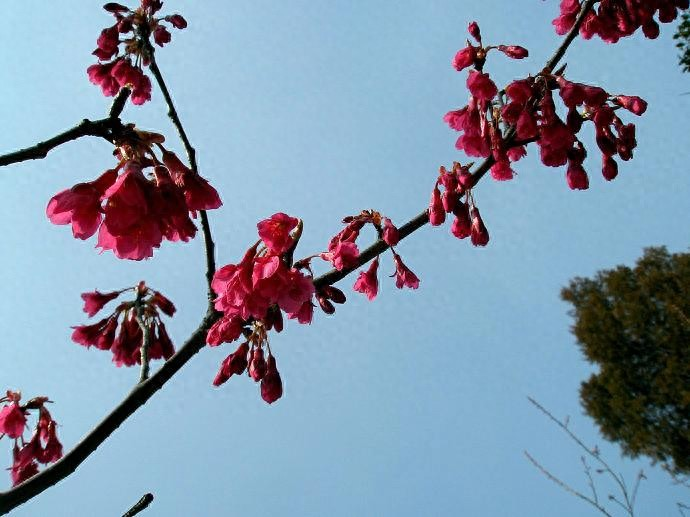
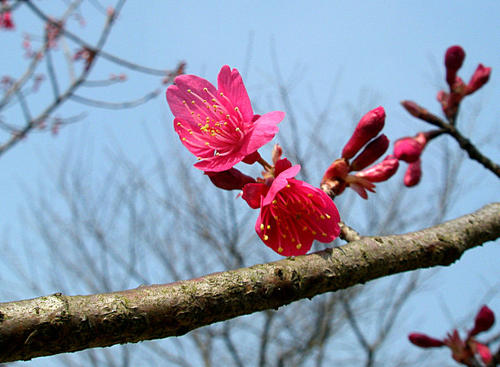
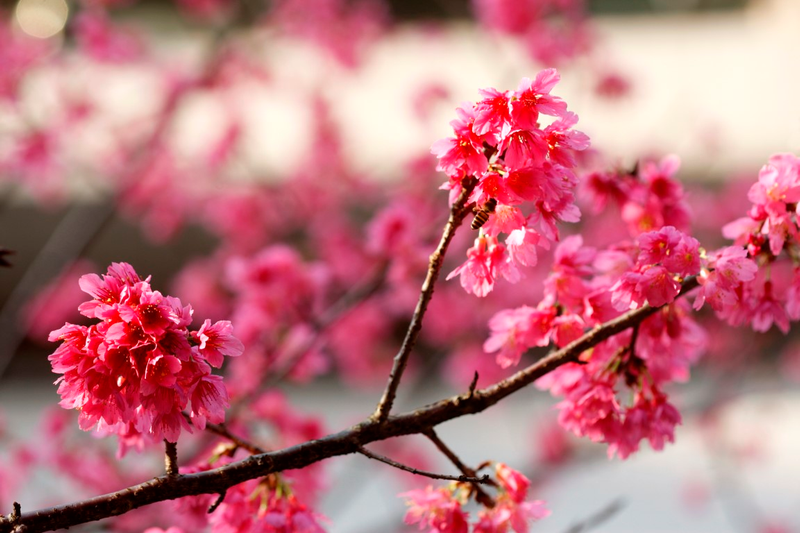
The cherries of the bells are also known as the cold cherry, the cherries of the fujian mountains, and so on. The cherries of the cherries of the cherries of the cherries of the cherries of the cherries of the cherries of the cherries of the cherries of the cherries of the cherries of the cherries, the leaves of the leaves of the cherries of the cherries of the cherries of the cherries of the cherries of the cherries of the cherries of the cherries of the cherries of the cherries of the cherries of the buddha, the provinces of taiwan, guangdong and jiangxi, are three to eight metres high. The cherries of the bell are opened at the beginning of the winter and spring, with flowers and leaves, flowers and trees, and petrified and spectacular, and are known as the cherries and cherries of tokyo. The flowers are protruded, either single or three to five stubbles, which are like umbrella house curvatures; long crotchs, with 1 to 2 cm length; bouquets, half-open, pore-long ovaries, purple red; petals, pink, chalk or dark red, with approximately 1 cm long, with dents at the top; bouquets of 2 to 3 march, fruit 4 to may。
The cherries of the bell are well-received and warmer in an environment that is more warm and cold, less resistant to strong light and can be grown at low altitudes with an optimal fertility temperature of 15-20°c and a high degree of adaptability and resistance to pollution. They can grow well in the porous red and yellow sides of the land, and in the arid and arid desert mountains. In conclusion, the cherries of the bell not only have high value for viewing and for gardening applications, but are also highly adaptable, resilient and ecologically valuable。
Preplant preparation
1. 1 port time
In hunan province, where the cherries of the bell are small leaves, it is best to migrate before the buds of the plant are about to start but not yet swell, especially after fall leaves until late november. Temperatures gradually declined over the period, with low evaporation, low pest activity, high soil temperatures and stable moisture conditions, contributing to the recovery and growth of root systems. At the same time, the plants themselves store abundant nutrients, are strong, resistant and have a high rate of survival。
In hunan province, where the cherries of the bells were blooming between mid-february and early march, the trees consumed a large quantity of nutrients and were displaced to the detriment of life. Replanting requires heavy cutting and removal of all flowers and hormonal treatment of roots. Between mid-march and the beginning of may, the cherries of the bell were thick, resulting in low rates of survival and the emergence of “false work”. In order to improve its survival rate, proper cutting of branches, removal of leaves, vaccinating of the tree body and hormonal treatment of the root, covering the membrane, increasing the soil temperature and promoting the restoration of root systems, is required。
1. 2 implant weather
Watch the weather before planting, avoid high-temperature and low-temperature weather, avoid wind and avoid heavy or continuous rain. Post-spread planting in the spring should avoid excessive water evaporation caused by direct solar radiation, timely triming of surplus leaves to reduce water evaporation, and cover with sunnets, preferably the same day. If planting is not timely, root should be wetted or planted。
1. 3 soil options for reforestation
Based on the growth habits of the bell cherry, it is preferable to choose the red border, which is fertilized and well drained, or yellow border soil. If conditions permit, the excavated top shelf soil may be refilled and, after planting, covered with straw or membranes to maintain temperature and humidity。
1. 4 preparation of materials and tools
The cherries of the bells must be extracted with hand saws, as the wild bells have developed their roots, and the cherries of the cherries can be dug with their hoes, affecting their transfer to life. In addition, wild bells and cherries are often mixed in the forest, with bushes, and some of the larger branches need to be cut short to facilitate the digging and transportation. Other materials and appliances are the same as conventional seedlings。
2 technical aspects of transplantation
2. 1 earthball mining
The principals of the cherries in wild life are widely distributed and small, and far from the centre, making it difficult to dig earth. After cutting off all the main roots, simply tie them with grass ropes and protect the heart from falling。
2. 2 pre-dug cut
The extraction of wild bells and cherries is often subject to interference by mixed-vegetation branches, which should be preceded by the cleaning of the surrounding vegetation and the pre-positioning of operational space, followed by the initial trimulation of the bell cherries to facilitate their extraction and removal。
2. 3 secondary trim and buns
The cherries of the bells should be trimmed again and trim them by observing the tree type and determining the best way to trim them. Scrambles should be trimmed and transported short. The main remaining branches are cut off from the dead branches, the sick branches, the inner branches, the down branches and the overlapping branches. The centre stem should keep the original tree type as far as possible. If it is difficult to move, three or four angles can be kept to open a reasonably distributed primary branch and remove the top. A happy one should be detached from a secret, poorly distributed primary branch and shorter depending on the situation. Cut and trim the other secret branches. For wild bells with easy transport, the science of tree beauty and cutting methods is the focus of the cut; for wild bells with no easy transport, the emphasis is on transport. After the cut has been completed, the main trunk of the tree is covered with grass ropes to prevent damage to the bark during the handling process, which can also be wettted after plant planting。
2. 4 removal
In the process of removal, the earthball roots should be protected from falling. Protection of the bark from wear and squeeze, resulting in injury to the tree body. In the case of larger amounts of plant leaves extracted, care should be taken during transport to cover up the sunnet and reduce water evaporation。
2. 5 third shearing and root processing
The second cut is supplemented by a cut before the plant is transplanted. The method is the same as the second one, mainly designed to maintain a healthy aesthetic tree. The shears should be kept within a reasonable range, not exceeding 1/3 to 1/2 of the whole. For shorter, larger wounds, protective agents or plastic film should be coated to prevent rain erosion and infestation of pests and pests, and to reduce water fragmentation. In order to cut the broken and more severe roots and decaying roots, the cut must be smooth and smooth and sprayed with polybacterial solution, which is then replanted with a root hormone。
2. 6 cultivation and support
Cults are generally 20 to 40 cm larger than earthballs, 20 to 40 cm deeper than earthballs, squares, round pans. The planting takes place on the back of some of the topsoil, or on the fertile ground of decay. A small pile of earth is formed within the planting den, then the tree is placed in the centre of the planting den, the tree is kept as beautiful as it is, and then the soil is refilled with root hormonals when it reaches half of the planting den, the soil is refilled with feet or crochets, the rear layer is covered with defusing soil, and the root is refilled with root hormonals, finally covering the straw or the membrane. Upon completion of the planting, a wooden stick was used to build a fixed tree。
3. Post-plant management
3. 1 ground segment disposal
The soil is covered with straw or membrane after the fall planting, so that the temperature is kept wet. The spring transplant should cover the trees and spray water. The cavity can protect the cherries from sunlight while reducing the evaporation and water evaporation. Water sprays maintain the water balance of the tree body and prevent excessive water evaporation of the branches from causing the plant to die, while providing a wet and small climate for the tree body. Water is sprayed better in the morning and evening, and burning of leaves in the sunlight should be avoided, with care to avoid excessive water dripping into the soil in the root range, which affects the normal breathing effect of the roots and leads to decay。
3. 2 underground segment disposal
After planting, root hormones should be used for regular root irrigation once a month and twice or three consecutive times. Newly transplanted wild cherries keep the soil moist, unwatered to overload the soil, inhibit the respiration of the root system by affecting the air permeability of the soil, and cause decay and death of the plant. Therefore, following the transplantation, the first definitive root water should be carefully watered in accordance with soil quality and damp conditions. Emphasis must be placed on hormonal treatment of the root after early spring. At this time, the temperature rises faster, the soil rises slower, the tree tends to grow and consumes large amounts of nutrients in the tree, while the roots recover slowly, with a “fake job” phenomenon that eventually kills。
3. 3 management after conversion
The cherries of the bells are so powerful that they need to be plastered when they become alive. The gerontization process is completed once, and should be carried out repeatedly with tree types in the light of new growth conditions in order to reduce the loss of nutrients in the tree body and to ensure that it recovers within a relatively short period of time to form healthy and full tree crowns. To erase the buds of the base in time and the buds on the backbone, avoid their nutrient consumption and disrupt the tree type。



