


Eaguchi model: a technical guide to green cultivation under the sheep-scaved forest
Yang myungkun
Our country is the geographical distribution centre and the biodiversity centre of the scavengers, with 57 variants. According to the latest findings, about 20 species (including variants) of debauchery have been found and confirmed in guizhou province, with abundant resources of debauchery. As one of the traditional medicinal products of our country, the scavenging sheep has a long history and a very high value for medicine. As a result of the rise in recent years in the fields of medicinal and health care, there has been a significant increase in market demand for raw materials, and with the depletion of wild sheep resources, artificial cultivation has become a necessary option to ensure sustainable industrial development. Cultivation under the forest uses wood to hide the shadows and simulate the pristine pyrotechnic habitat, not only to produce medicines of near-live quality, but also to effectively improve the efficiency of the integrated use of woodlands, and to achieve the ecological cycle of “shortly growing, forested medicine” as a vivid practice of implementing the concept of “green water green mountains are silver mountains”。
At present, domestic research on pheasant has focused on chemical components, pharmacological effects, cultivation of physiology and variety selection. In terms of cultivation techniques, two models have been initially developed in the country, namely, field shade and under-forest cultivation, which are promoted by the fact that they are more in line with the ecological practices of scavengers and the better quality of medicinal products. In the area of pest and disease control, green prevention and control technologies have become a hot spot for research, as demands for quality safety of agricultural products have increased and ecological farming concepts have developed. However, existing research has concentrated on single-chain technological optimization and lack of systematic integration of the whole planting process, making technology diffusion more difficult. The study aims to provide theoretical evidence and technical support for the sustainable use of the resource through the integration of existing research and the construction of a system of science-based and universal green growing techniques in the larvae forest。
1 rotten sheep growing conditions
Slurpy sheep is a small green herbal plant. As a typical vaginal plant, the growth habits of scavengers are significantly influenced by multiple environmental factors. Decepticon is suitable for growth in subtropical climates, abundant precipitation (around 1,000 mm annual precipitation), average annual temperatures above 10°c, and soil microacidity (ph of 5. 5~6. 5). The growth of scavengers has a significant phase demand for light intensity, low demand for light during the nursery period, and excessive light notes have led to slow growth of plants and even solar fever. The appropriate light strength of the 1 to 2-year seedlings grown under the forest is 60% desolation left right, while the more than 3-year-old plant can increase the degree of light intensity to about 50%. Accumulation of secondary metabolites of scavengers (e. G., acetone-like compounds) is closely related to their growing environment, especially as changes in soil type and light intensity have a significant regulatory effect on their quality characteristics。
2 rogue sheep cultivation
Guizhou province is situated in the heart of the wumau mountains, with a tropical wet monsoon climate in central asia, with a high forest cover of 77 per cent and a national protected area of san francisco, with an extremely rich biodiversity and excellent ecological quality. The warm, wet, shaded mountain forest environment of the county is highly compatible with the obscenity and damp-resistant biological properties of the sheep. In recent years, the eguchi county has focused on the cultivation of sheep under the sheep forest as a rejuvenation of the rural niche, with a rapid expansion of the area under cultivation, reaching 0. 14 million hm2 under the sheep forest and 62. 67 hm2 in the nursery area. Today, the prostitution of sheep and sheep cultivation in eguchi county is faced with challenges such as poor standardization and poor pest control techniques. Therefore, the systematic compilation and dissemination of an efficient green-growing technique under the larvae forest, adapted to the geographical characteristics of eguchi county, is of great relevance to improving the quality of medicinal products, safeguarding industrial health, protecting the ecological environment and promoting sustainable agricultural development。
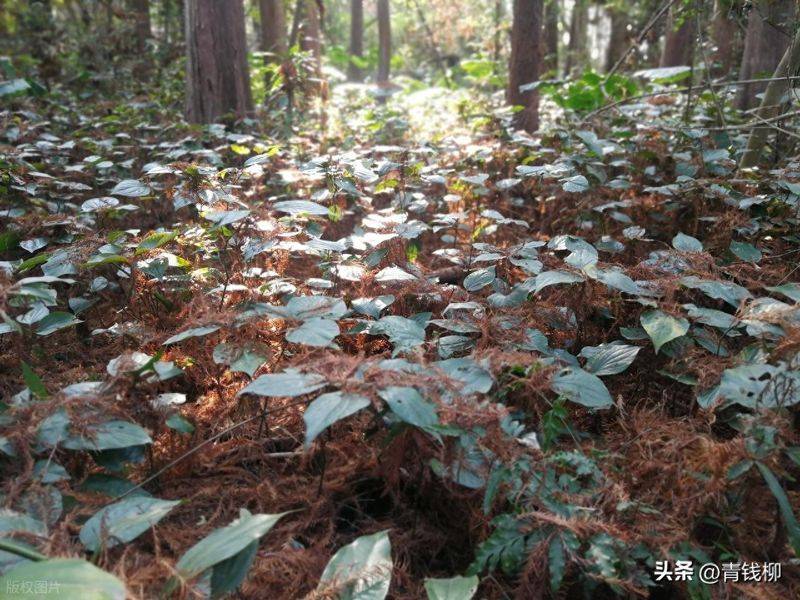
3 key technology systems for the cultivation of sheep under the leech forest
3. 1 base selection
It is advisable to select subtropical climate belts from the base where the scavengers are grown, requiring abundant precipitation of about 1,000 mm per year and an average temperature above 10°c per year. At the same time, the choice is for soil laxity, air permeability, neutral acid (ph ~ 5. 5 ~ 6. 5), soil with more than 20 cm thick on the farm, or sandy soil, which is best fertilized, and which not only contributes to the growth of the roots of the scavenging sheep, but also provides nutrients for its growth. In addition, soil should be tested before planting to detect soil ph, heavy metals (lead, cadmium, chromium, copper, mercury, arsenic, etc.) so as not to over-standard the heavy metals of the pyramid products, affecting the quality of the products。
3. 2 forest-type requirements
As a typical vaginal plant, lasagna is one of the key factors influencing its growth. Studies have shown that the demand for light intensity is low during the scavenging season, which is usually more appropriate under shaded conditions, and that appropriate increase in light is required during the masture period to promote the accumulation of photocooperative and secondary metabolites. Thus, the overall vegetation is selected well, with a slope of 35°, evenly distributed, and an overall depression of over 60%. Of these, the selection of woodlands with a small tree age and a tree diameter of 20 - 60 cm is most appropriate; preference is given to falling or mixed forests, followed by pine forests. In addition, there is a need to select easy-to-transport woodland, with more than 4. 5 m of trucks moving smoothly and no associated sources of pollution, such as industry and mining, within 2 km of the base。
3. 3 interforestation
The appropriate removal of weeds and small shrubs under the forest, based on such conditions as slopes, depression, etc., requires inter-cropping of areas with more than 80 per cent desolation, keeping the overall density of forest land at 60 per cent to 75 per cent and the light intensity under the forest at as evenly as possible at 3,000 to 10,000 1x. The deforestation shall determine the direction of the forest land, and shall be kept in the direction of the south slope, with the east-west slope medium and the north slope rare. At the same time, deforestation must not be carried out indiscriminately, and every effort should be made to ensure the biological diversity of tree and tree species and to regulate them as much as possible under conditions of shade so that they can be protected at a later stage。
3. 4 diversity selection and planting time
The choice of varieties is the primary part of the cultivation under the leprechaun forest, with significant variations in the adaptive, yield and quality characteristics of different varieties. Currently, in guizhou province, the main areas of cultivation are ejected sheep and scavengers. It would be preferable to conduct seed tests before planting, which would be suitable for the area before planting on a scale. The time taken to plant the scavenging sheep was suitable for the autumn of october-december, when the survival rate was highest。
3. 5 cultivation
Acupuncture seedlings are mainly divided into two main categories of seed breeding and non-sexual breeding, among which non-sexual breeding factors are simple, liveable and more widely applied in production。
One is seed breeding. The first is seed collection and processing: mature berries were collected in august-september, disemboweled after drying and sifted with full seed. Because of the dormant nature of the scavenger seeds, they need to be treated in wet sand formations (the ratio of seeds to wet sand is 1:3) and frozen at 0~5 °c for 2~3 months to break the sanctuaries. The second is sowing: in the spring of the following year, from march to april, seeding takes place with 200 mg/l apricot solution to impregnate 24 h to increase seed germination, immersion occurs once every 12 h during the immersion period, the seeds are in full contact with the pharmacological fluid, and the immersion seed is washed with clean water to avoid residual pharmacological effects on the growth of seedlings. Choosing a loosely fertile micro-acid soil with a bed width of 1~1. 2 m and a ditch depth of 10~15 cm can be broadcasted or broadcasted using a strip covering 1~2 cm of corrosive soil, with a cavity shelter (around 70% shade), with a moist soil and seeding through 30~40 d. The third is seedling: seedlings should be weededed in time, with inter-sapling treatment when the seedling grows to three to four real leaves, and scavengers are born with long-term application of thin, decomposition organic fertilizer, which can be grown for 1-2 years。
Two is sexless. Non-sexual reproduction is a choice between root and root growing, divided breeding, and organizational development. The first is a root tubing plant: a multi-year plant that chooses to be strong and disease-free, with its roots dug in the autumn, october-november or spring, march-april, with two to three buds, five to eight centimetres long, five to eight centimetres long, an eye gravitated up, tilted into a seedbed, three to five centimetres deep in the ground, pressurized, watered, humid, and 20 to 30 d to start rooting. The second is separate breeding: in the spring and autumn, the mother is excavated, divided into small strains with two to three subtidal strains, trim the sick and weak roots, and is transferred directly to the field or seedbed, with a survival rate of over 90 per cent. Third is organizational development: high quality seedlings are efficiently available using organizational breeding, with core processes such as surgical selection and disinfection, primary development, intergenerational breeding, root culture, etc., and rapid organizational growth and rapid access to high-quality seedlings that are well organized and disease-free, are the direction of industrial development。
3. 6 plantation methods
3. 6. 1 land as a whole
Cleaning of ground debris under the forest, including weeds and shrubs. The land in the gaps between the trees is tilled, and it rises according to the terrain. The sector is wide 1. 0~1. 2 m and is high about 20 cm; it is slightly higher in the middle and slightly lower in both sides of the flat surface, and is balconies in the form of no water. If the gradient is 26°, it is recommended that it be horizontally increased to allow for the retention of water fat. The width of the compartment is approximately 20 cm wide, and the width of the section may be adjusted to the topography; it is generally not less than 40 cm wide to dig the drain along the topography。
3. 6. 2 deplantation shizuku
After the rain or the sun is chosen for relocation planting, usually with a scavenging larvae at a distance of 20 ~ 35 cm and an arrow larvae at a distance of 25 ~ 30 cm and a seedling of 2,600 ~ 3,000 ~ 667 m2. Digging holes on the side, 15-20 cm deep, one in each, soothing roots, with proper earth. After rooting, the pedestal is so small that the first one to three cms, the two fingers in the diet do not fit the seedlings to mean that it has been planted, and it is enough to water the root water。
3. 7 fertilisation
Because of the obscenity of sheep, which is suitable for growth in organically rich decomposed soil, fertilization is dominated by organic fertilizer. One is zipper. Decepticons must be grown using base fats, which otherwise affect the production of medicinal material, by applying decomposed cow dung of 500 kg/666 m2 or commercial organic fat of 300 kg/666 m2 as base fat. Fertilizers are put into the nest before planting, covered with thin ground and planted without direct access to seedlings. Two is fat. Using cave application, the scavengers are required to fatten more than three times a year after planting, in march of each year, in mid-may to june, and in october to november. Cultivation was applied during the second year of planting, where fertilizer was applied close to the root of the plant, approximately 5 cm, to avoid exposure. Since the third year of planting, fertilizer has been placed close to approximately 5 cm of the plant base, with no recommendation for the application of fertilisation techniques to avoid damage to the root of the ground, at a rate of approximately 100 g per application of decompressed cow dung or 50 g of commercial organic fertilizer。
3. 8 weeding and drought and flood control
Artificial weeding is the safest and most effective method, especially in the early years, where weeds and weeds need to be regularly removed in order to reduce the competition for nutrients and the spread of pests and diseases, and where appropriate, weeding should be done in accordance with the grass. In the event that soil slabs are found to have been washed down by rain, the soil should be released and retreaded in a timely manner. Every year, the winter park is re-established once and every year, so that it does not cause damage to the herds of the sheep and its roots. In the event of drought, artificial water is required to water the soil. There is no need to accumulate water in the plantations, so that during the rainy season, gutters and drainage can be cleared at all times。
3. 9 collection
(c) timing of harvests: arrow-leaved sheep are harvested during the third summer and fall season following planting of seedlings, and the second summer and autumn season after planting of seedlings。
Pre-harvest management: discontinuation of any pesticide prior to harvest, pre-harvest 3d cessation of irrigation and clean-up of weeds, dead leaves etc。
The method of harvesting is the cutting of parts of the leaves on the ground with sharp sickle, the removal of weeds from the larvae and other impurities such as dried leaves, and the shipment of tools such as clean knitting bags to dry sites for initial processing。
4 leather sheep weather disaster response
4. 1 sunburn
The main symptoms of sunburning of the scavenging sheep are the gradual bleaching of the leaves, either locally or in their whole body, and their eutrophication until they die dry and the leaves are pierced. Sunburn occurs from may to october, in the form of strong light plots with no sun. The method of combating sunburn is to build a sunnet in a timely manner, and under-forest cultivation should be intermittently cut in accordance with the requirements of depression. For areas that do not have a shade, except for sunnets, grass control or the replanting of fast-growing crops can be used。
4. 2 freeze
The frostbite occurred mainly in february-april, as a result of repeated and sudden increases in temperature after spring, such as the winter. The main symptoms of freezing of the scavengers are the loss of fresh leaves or sprouts. Refrigeration control is used to control nitrogen fertilization before freezing, using 24-spectone ester spray to increase plant resistance。
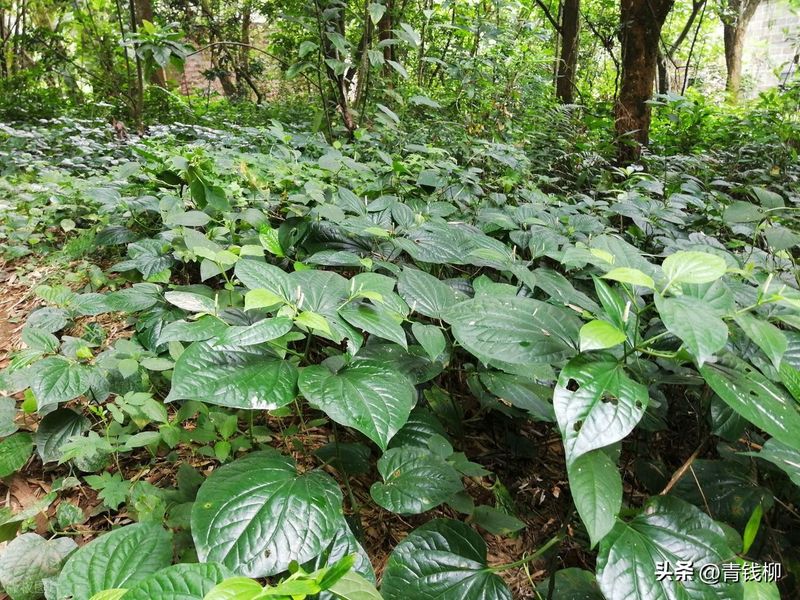
5 integrated green management of pests and pests
The most common diseases of scavenging sheep are foliage, horny disease, asympathosis, rusty disease, powdery disease, root sprouts, viral disease, etc. The main pests are scabs, scabs, red spiders, locusts, etc. Green pest control methods include agricultural, physical, biological and chemical control。
5. 1 agricultural control
The first should be the choice of more fertile, organically rich land and sandy plots as planting grounds; the second should strengthen the cultivation of fat water and other field management by fertilizing goats to ensure that they grow well and increase their self-resilient capacity; and the last should be a winter clearing exercise to reduce the incidence of winter diseases and eggs and the timely removal of plant weeds and diseased strains。
5. 2 physical control
Physical control is the control of pests by physical means, including, inter alia, light-light booby traps, chromosomal booby traps, sexual bait traps, and covering anti-worm nets. Light induction uses the opulence of pests, attracts and eliminates night activity pests, such as moths and beetles, through the installation of frequency-fibration headlights; palletization is the purpose of using a specific coloured sticker to attract pests such as aphids, dust lice and yellow and blue stickers, especially in practical applications; sexual induction techniques are the simulation of sexual insects released by females in the natural world and the production of “chemical mimic signals” to be disturbed to confuse male insects with normal pandering, monitoring or jamming, with the ultimate aim of controlling the population of pests; and the coverage of anti-worm nets directly deter pest intrusion。
5. 3 biological control
This can be done through the use of biological pesticides and the use of natural enemies. For example, the use of bacillus soubus to combat moths, insects, caterpillars, etc.; the use of dead grass sprouts bacillus against white powder, asphyxia, black spots, deadness, etc.; and the use of golden turtle green fungus against horse, lice, grassy night moths, aphids, etc. Release of bees against tigers, slashed night moths, worms, etc.; aphids against shellworms, pink lice, etc。
5. 4 chemical control
Select efficient, low-toxic and low-residual pesticides when using chemical agents, strictly adhere to safety intervals and application limits for pesticides, and take care to rotate pesticides using different mechanisms to slow the generation of resistance to pests. National restrictions on pesticides are prohibited. The fungicides most commonly used in sheep scabies are bacterium, chlorobromoisocyanate, peptol, esters, esters, beether acetate, mercuric acid, etc. The commonly used insecticides are amphibian aphids, ethyl esters, cyphthalmite and diamide。
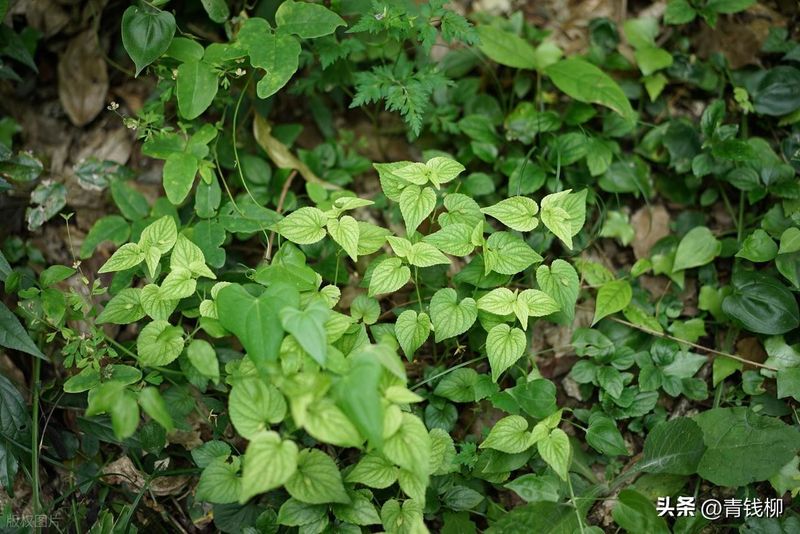
Conclusion
The study systematically explored techniques for the cultivation of sheep under the scavenger forest, detailing the practices of scavenger growth, breeding, fertilization, field management and pest control, and developed a scientific, normative and environmentally friendly system of cultivation. The quality, security and stability of the production of pyrophagus products are effectively guaranteed through the scientific application of forest-planting techniques and the construction and full implementation of an integrated system of green anti-control techniques based on agricultural control, with biophysical control at the centre and supported by scientific medicines. This model has not only resulted in a significant increase in economic efficiency, but also in the application of the concept of ecological priorities and green development. Green cultivation under the sheave forest plays an important role not only in protecting forest ecosystems and preserving biodiversity, but also in helping farmers to grow and promote the revitalization of rural industries。



