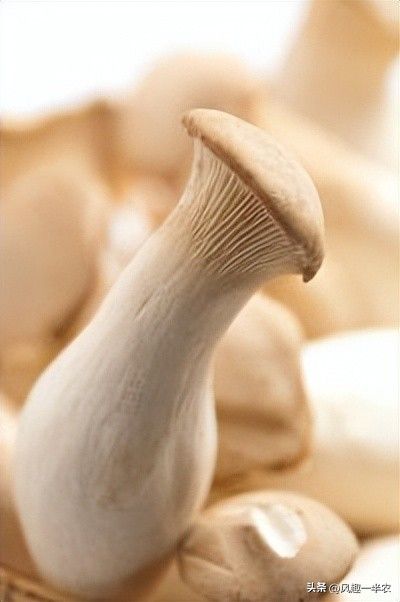
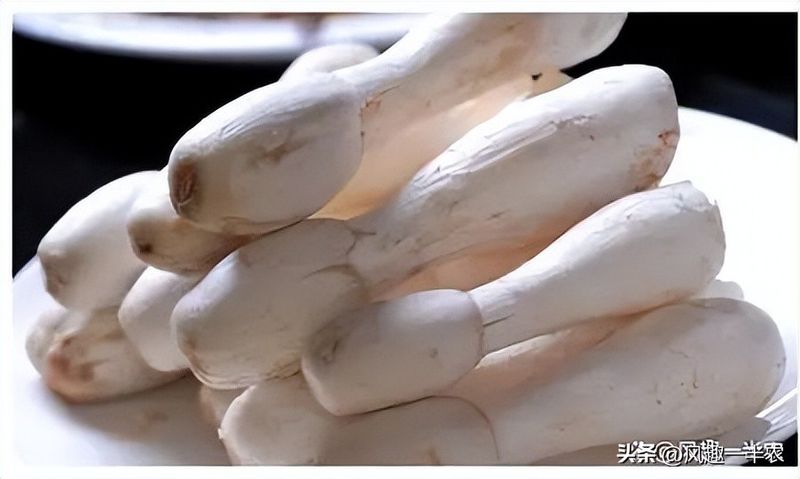
Vegetable sheds and chicken-legged mushrooms are an efficient stereoculture model, making full use of the shed space, the moist environment and ecological complementarities to achieve a double harvest of vegetables and edible bacteria. Chicken leg mushrooms are carcasses, carbon dioxide released during growth can be used as gas for vegetable photocosm, oxygen released during vegetable growth can provide a good environment for chicken leg fungus silk growth, while waste fungus from chicken leg mushroom cultivation can be used as organic fertilizer for improved soil, creating a virtuous cycle of “groom-breeding, mushroom-fertilizers”, significantly increasing the economic efficiency of the large shed units and reducing the cost of planting is the preferred technique for agricultural efficiency in the current facility. In conjunction with production practices, this paper elaborates on the full range of technical measures for vegetable sheds and chicken-legged mushrooms to provide practical guidance to growers。
I. Choosing and pre-renovation of sheds
(i) basic shed requirements
Priority is given to conventional vegetable sheds that are warm, ventilated and light-sensitive, such as winter-heated large sheds of steel frames or bamboo structures, spring and autumn arch sheds, which are 6-8 metres wide, 50-100 metres long and 70-80 per cent non-diplomatic membranes that are selected to be radiant and avoid the direct shooting of chicken leg mushrooms. The sheds are required to be flat and well drained, with a loosely fertile sandy or bordery soil, ph 6. 5-8. 0, free of pollution sources, sufficient water supply and clean water quality, with easy ventilation and sunshield facilities。
(ii) alteration of layout in sheds
To balance the demand for vegetables with the growth of chicken-legged mushrooms and to optimize the layout of cultivation in the shed. Vegetables are grown with a wide and narrow range of 80-100 centimetres, with a narrow range of 40-50 centimetres, with a wide range of chicken legs and mushrooms, with a width of 20-25 centimetres and 15-20 centimetres deep, with a long and consistent range of 30 centimetres, to facilitate field operation and ventilation. At the same time, sunnets have been installed on both sides of the shed and on the top, with summer cover for shades, cooling up during the winter, ventilation windows inside the shed, regular daily ventilation and air circulation in the shed. In addition, the soil in the shed is desterilized on a shallow basis, with 150 grams of lime per square metre being sprayed, the fungus eggs in the soil being destroyed and cross-infection avoided。
Ii. Appropriate varieties and access arrangements
(i) choice of varieties
Vegetable varieties give preference to high shelf vegetables such as tomatoes, cucumbers, peppers, bean bean horns, etc., which are very large, and are naturally covered with chicken legs and mushrooms, matching the characteristics of chicken legs and mushrooms to avoid light growth; avoiding the selection of scavengers and leaf-intensive vegetables that affect ventilation too harshly. Chicken-legged mushrooms select varieties that are highly adaptable, resistant to fungs, high yields, good mushrooms, such as special white 33, chicken-legged c9, reddy-legged chicken-legged mushrooms, which are low-temperature, well-corrigated, suitable for the co-planting environment, fast growth of the fungus, and a high long-term match between the mushrooming cycle and vegetable life。
(ii) cross-cutting arrangements
Following the principle of symbiosis, non-interference, planting time has been rationalized, taking full advantage of the leisure period of the shed and the gap between vegetable growth. In the northern region, the best planting period is autumn and winter: vegetable planting in august-september, chicken leg mushrooms in september-october and chicken leg mushrooms in november-february of the following year, at which point the vegetables reach the final stage, the temperature and humidity in the shed is stable and suitable for the co-cropping of the fungus; and early spring: vegetables in 1-2 months, chicken leg mushrooms in february-march, mushrooms in april-june, avoiding the high onset of hot and wet fungi in the summer. The southern region could be appropriately advanced or delayed by arranging a combination of 2 bacterium and 3-4 mushrooms for each chicken leg, staggered with the vegetable harvest period to achieve high-efficiency output throughout the year。
Iii. Chicken leg and mushroom preparation and fermentation
(i) plant formulations
The chicken-legged mushrooms are fungus, the culture is dominated by crop straw, by-products and low-cost materials, and two practical formulations are recommended:
1. 52 per cent maize core, 15 per cent wood crumb, 15 per cent soybean slurry, 10 per cent bean skin, 0. 5 per cent sugar, 1. 5 per cent calcium perphosphate, 5 per cent lime and 1 per cent plaster
2. 40 per cent cotton seed shell, 30 per cent maize straw, 15 per cent cow dung, 10 per cent pelt, 3 per cent lime and 2 per cent plaster。
All raw materials need to be fresh and insect-free, and maize cores and straws need to be crushed early to 1-2 cm particles to avoid thick or thinness and to ensure abated culture。
(ii) fermentation treatment of culture materials
Fermentation is at the heart of the processing of culture, killing fungs and eggs, decomposing the nutrients of the raw materials and facilitating the absorption of the fungus fungus. Specific operations: ply the raw material by formulation, with the water ratio controlled at 1:1. 5, with the water beads permeating but not dripping between handshakes, with a water content of 60-65 per cent. Pile-up fermentation: the size of the pile is 1. 5 metres wide, 1 metres wide and 1. 2 metres high, depending on the amount of raw material, and the piles are permeable every 30 centimetres, with an aperture of 5 centimetres, up to the bottom of the stack to promote aerobic fermentation. When temperature rises to 60-65°c at the heart of the pile, the first stacking is carried out in 10-12 hours, followed by three to four stacks every 5-7 days. At the second dump, 0. 1% gramrin was added, and at the last two dumps 800-1,000 times bromocythrin was sprayed, killing pests in the endurants. Fermentation completion standard: culture tan, smell of wine, no ammonia, soft hand, ph 8. 0-8. 5, ready for bagging with cooling up to 30°c。
Iv. Pockets of chicken legs and mushrooms, fungi management
(i) package seeding
A low-pressure polyethylene plastic bag, with a specification of 26 cm in diameter and 40-50 cm in length, using a layering method of four layers of three layers, with a culture on the bottom, a bacterial seed, repeat, top-covered thickness, tight in the back pocket, five air vents each with a wooden stick of 0. 12 cm in diameter at both ends, half of the length of the bag, to ensure the growth of mycelific oxygen. Each bag weighs 1. 5 - 2 kg and sows 15 - 20% of the mass, and the fungus selects the age-appropriate strain of the fungus, which is filamentary, coarse and fung-free, and is shaped into a swath of bean size to avoid the shredding of mybs。
(ii) bacillus management
When packed, the bag is placed in the vacant area of the shed or on the north side of the shed, stacked with fungi, stacked at 3-5 layers at lower fall temperatures, with a 2-3 centimetre gap between the bags to facilitate thermal ventilation. The concentration control temperature is maintained at 22-24°c for the inside of the bag, not exceeding 30°c, at temperatures higher than 35°c for fungible bacteria, and at 40°c for 2 hours. The air is fresh in the sheds, which avoids the use of light-influenc bags and covers them with oxen paper or sun covers, once in the morning and every 30 minutes. Periodic screening of the kits to detect the timely clean-up of bacterial contamination to prevent proliferation. Under normal conditions, 20-25 days of mycelium silk can be packed with baptism bags, which are thick, white and uniform, i. E., high-quality baptism bags, which can be planted with ground in the shed。
V. Bacillus and plant management
(i) remove the dust
When vegetable plants are grown up to 30-40 cm and enter the climbing or end-stage period, chicken leg mushrooms begin to grow. Fragments of mycelium are cut with blades, removed from thin membranes, vertically placed within the pre-positioned plant plaster, and the rods are 1 centimetre apart and their tails are neatly organized. The soil is selected with a fertile, loose and disease-free vegetable garden, with 1 per cent lime, 0. 1 per cent gramoline disinfection, with soil particles approximately 1 centimetre in diameter, three to four centimetres thick in length, with light pressure, and three days to pour water into the soil, so that the soil is closely bound to the rod. When the mycelium rises, white fuzzy and cracks, the soil is repeated to two centimetres thick, filling the gap and avoiding the nakedness of the mycelium。
(ii) temperature control during symbiotic period
The symbiotic period of fungi management needs to be balanced with both needs, using segment regulation. Temperature: the temperature in the day shed is controlled at 20-25°c, at night at 15-18°c, with a high suitable temperature for vegetables, low temperature for mushrooms in the chicken leg, adjusted by ventilation and sun cover, early and evening ventilation in the summer heat, covering of the sunnet, closure of the vents and the shrubs at winter temperatures. Humidity: air moisture in the shed is maintained at 65-75 per cent, vegetable water is poured with drips or ditches to avoid the flooding of bacterial beds with heavy water, chicken leg mushrooms out of mushrooms, soil moisture is kept wet and dry, sprays are used lightly, direct spraying of mushrooms is prohibited and mushrooms are prevented from decay。
(iii) ventilation and light management
Ventilation is the key to the co-existence of the fungus, with ventilation once a day at 9-10 a. M. And at 4-5 p. M. For one hour each time, less ventilation in the middle of the day and less venting in the rain to prevent rain from entering. Ventilation reduces the carbon dioxide concentration in the shed, avoids vegetable growth, and provides oxygen for fungus fungus and promotes the fragmentation of mushroom buds. With regard to light, the vegetable needs a proper amount of light for photocosm, the chicken leg mushrooms are protected from strong light, and the vegetable leaves are protected from natural shades, and the light intensity in the shed is controlled at 500-1,000 lekx, mainly by dispersing light, avoiding the direct sunglass bed, otherwise the mushrooms have yellow hair and lower quality。
Vi. Green integrated pest management
Vegetable sheds and chicken-legged mushrooms are based on the precautionary, green-control principle, giving priority to agricultural, physical and biological control, reducing the use of chemical pesticides and avoiding pesticide residues affecting the quality of mushrooms and the safety of vegetables。
(i) agricultural control
(b) strictly turn off the raw materials and eliminate the impurities; fully fermentation of the culture and fertilizers; timely clean-up of the leaves and waste materials in the shed and maintenance of environmental health; rational and dense planting to avoid overstretching of vegetables and to ensure ventilation; rotation to avoid continuous planting of the same vegetables and fungi in the same shed and to reduce the number of pests and diseases。
(ii) physical control
Insects such as yellow cedars, blue sheets, booby traps, aphids, powdered lice, mushroom mosquitoes, 10 pieces per 20 square metres; mushroom bed cover nets to prevent infestation; and fungi-contaminated blubber bags are regularly inspected and found to have been buried or burned outside the shed in time to avoid proliferation。
(iii) biological control
Vegetable pests have been selected for biopesticides, such as bitter alkaline, suyungi to combat larvae, aphids; chicken leg fungus to prevent the growth of fungus by adding grasswood ash to the culture, inhibiting the growth of fungus and covering the local fungus with raw lime powder; mushroom mosquitoes, mushroom flies to prevent the spraying of bitter alkaline water without residues and without affecting the growth of mushrooms。
(iv) common pest management
The main diseases of chicken-legged mushrooms are fungus, green mold, most of which are triggered by incomplete fermentation and high humidity of the culture material, which is promptly removed from detection and which enhances ventilation and dampness; green fungus infections need to be reduced in the sheds and partially painted with polybacterial solution. Vegetables often suffer from froste, asymptomosis, biological agents, highly toxic pesticides, application away from the bacterial bed, and agent contamination of mushrooms。
Collection and later management
(i) collection of chicken leg mushrooms
After 10-15 days of the second fall, the chicken-legged mushrooms and rheumatoids come out of the ground and are collected in a timely manner when the fungus cover is tight, the fungus ring is not loose, and the fungus is thick, and they are collected later to open the umbrella, turn black and lose the value of the goods. Hand-strangling on the basis of the glitter of mushrooms is used to extract them, to pull them out gently, to avoid injury to the fungus and larvae around them, to clean the foot of the mushrooms, to sort out the soil and to fill the dent. After each mushroom is harvested, water is stopped for two to three days to restore the mycelium to growth, followed by a trophic water (0. 2 per cent potassium phosphate + 0. 1 per cent urea) to promote mushrooms from the lower tides, which can generally be collected at 3-4 tides, yielding 1 - 1. 5 kg per bag。
(ii) vegetable harvest management
Vegetables are collected in accordance with the usual standards, during which they avoid peaks in chicken legs and mushrooms, and when they are picked, they are taken lightly to avoid pedal beds. The timely removal of old and sick leaves during the harvest process and the improvement of ventilation in the shed are conducive both to the subsequent growth of vegetables and to the creation of a favourable environment for chicken leg mushrooms。
(iii) waste bacteria use
After the collection of chicken leg mushrooms, the rods are broken and spread evenly in the shanty soil, tilled into the soil, and the fungs are rich in nutrients such as organic and potassium nitrogen phosphorus, which can improve soil structures, increase soil fertility, reduce fertilizer use, achieve resource use of waste and lay the foundation for next season's vegetable cultivation。
Viii. Efficiencies analysis and attention
(i) analysis of benefits
Vegetable shacks and chicken-legged mushrooms, each acre, can increase the area of chicken-legged mushroom cultivation by 200-300 m2 and the annual production of chicken-legged mushrooms by 2000-3000 kg, with an increase of $1. 6-$30 million at market price of $8-10/kg; at the same time, the release of carbon dioxide from chicken-legged mushrooms can increase vegetable production by 10-15 per cent, waste-breeding the soil by reducing fertilizer inputs, reducing the cost of planting, with a combined benefit of more than 40 per cent higher than single vegetable cultivation and significant economic and ecological benefits。
(ii) key concerns
1. Strict control of the temperature of the fungi in order to prevent high-temperature incendiary fungi, which must be decontaminated in the soil of the ground in order to avoid its introduction
2. The symbiotic period of fungus forbids flooding with large water, so that the soil is wet enough to prevent the build-up of mushrooms in the bacterial bed
3. To prohibit the use of highly toxic, highly residual pesticides and to protect against the contamination of mushrooms by applying them
4. Timely ventilation to prevent high levels of wetness in the sheds, causing fung and vegetable diseases
5. Avoiding flashes of strong light during the mushrooming period, ensuring a dispersive light environment and improving the quality of mushrooms。
Concluding remarks
Vegetable sheds, combined with chicken-legged mushroom technology, have broken the pattern of traditional shed mono-vegetation and have doubled resource efficiency and efficiency through ecological complementarities and stereoculture, suitable for scale-up and intensive facility agricultural extension. Growers can reap both vegetables and chicken-legged mushrooms only if they master core technologies such as fermentation, fermentation, fung management, co-existence control and green pest control. The simple operation of the technology, the availability of raw materials and its considerable efficiency, which is consistent with the concept of green development in modern agriculture and which helps growers to become rich, is an effective way to transform their facilities。