1. Exploration of hydroponic techniques
Hydroculture, an innovative form of farming, has received considerable attention in recent years. Efficient and environmentally sound planting purposes are achieved through precise control of moisture and nutrients to provide optimal growth environments for plants. Explore hydroponic systems and start a new chapter in agricultural cultivation。
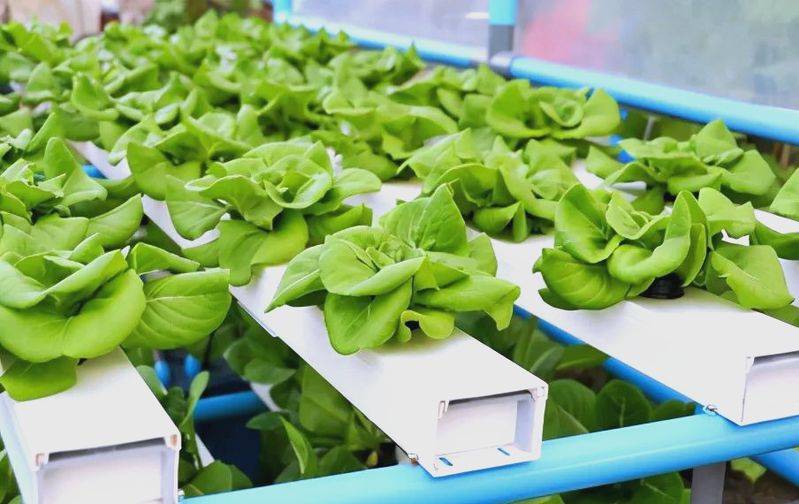
The hydroponic system, also known as soilless farming, is an innovative agricultural method. It uses nutrients rich in plant essentials to feed plants, which dissolve minerals necessary for vegetable growth, thus supporting the successful completion of plant cultivation throughout its life cycle. The key to soilless cultivation lies in the design of the planting basin, which consists of liquid basins and plant formulations that host and support the plant. In this system, the roots of the plant are suspended in the planting fluid, which, as the plant grows, needs to be supplemented with the necessary nutrients. Soilless cultivation consists mainly of three forms: hydroponic, fog and foundational. Among these, hydroponic is the direct infusion of plant roots in nutrients without the need to use the matrix; foggy is the nutrients provided by compressing the nutrients into aerosols and spraying them directly to the root of the crop; and matrix cultivation is the nutrients provided by drip irrigation by anchoring the roots in organic or inorganic matrices. Typically, hydroponic systems apply to the cultivation of a wide variety of crops, including vegetables, flowers, fruits and tobacco leaves。
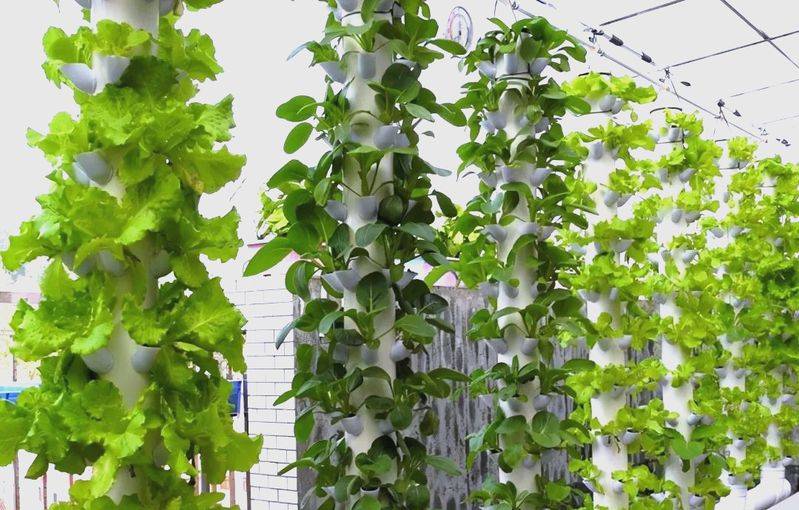
Pipelines
Its equipment is modern and its nutrient fluids circulate in closed pipes. Managers have the flexibility to regulate the timing and frequency of the supply, while monitoring the growth of vegetables around the clock to ensure healthy crops。
Walling
Using a smart combination of walls and pvc tubes, the pvc tubes fill the matrix to support crop growth. This method of cultivation is used not only as a barrier to soilless cultivation projects, but also as an effective means of embellishing the walls and achieving functional and aesthetic duality。
Stereoculture
(c) installation of multi-basin-like planting tanks on the poles, which are filled with matrices for planting. This method is often used for the planting of non-hazardous strawberries, with strawberry fruit hanging around it, both beautiful and easy to pick and eat。
"a" font cultivation
The a-shaped structure optimizes the lighting of crops and greatly facilitates the operation of staff. The structure is flexible and can be rationalized according to real needs, and becomes a new attraction for balcony and roof agriculture。
Misty cultivation
New cultivation models are implemented through high-pressure fogification techniques that spray nutrients on the roots of crops. The roots of the crop are hanging directly inside the planting container to obtain the nutrients required for growth by exposure to the gas at the root. This form of cultivation is not harmful, has a high technological content and is of considerable value and practical value。
Aerial cultivation
(b) the conversion of traditional cultivation patterns into hydroponic cultivation using deep-lender cultivation techniques. The aquatic root system provides adequate moisture and nutrients for the plant and cooperative division of labour between the root systems, with a single planting that can be harvested over many years. This new form of cultivation is of considerable value as well as scientific value。
Sandbone
This is a way of imitating the desert environment, imitating the drought-prone environment through modern agricultural techniques. The plants that grow in the desert are planted in greenhouses so that those who have not yet set foot in the desert can appreciate these novelty plants。
Fish and vegetables
Fish symbiosis, an innovative agricultural model, skilfully combines aquaculture with water cultivation. Through its fine ecological design, these two previously independent farming techniques have been able to live together in harmony, achieving the ideal of fish farming without changing water and without fear of water quality, and growing without fertilization. This technology has perfectly integrated the essence of soilless farming and has demonstrated the great potential of ecological agriculture。
Facilities agriculture
Facility agriculture, as an important means of modern agricultural production, controls the growth conditions of crops through an artificial environment. This technological means not only improves crop yields and quality, but also enables agricultural products to grow in non-traditional seasonal and climatic conditions, greatly enriching our table. The widespread use of facilities agriculture marked a new level of human control over the natural environment。
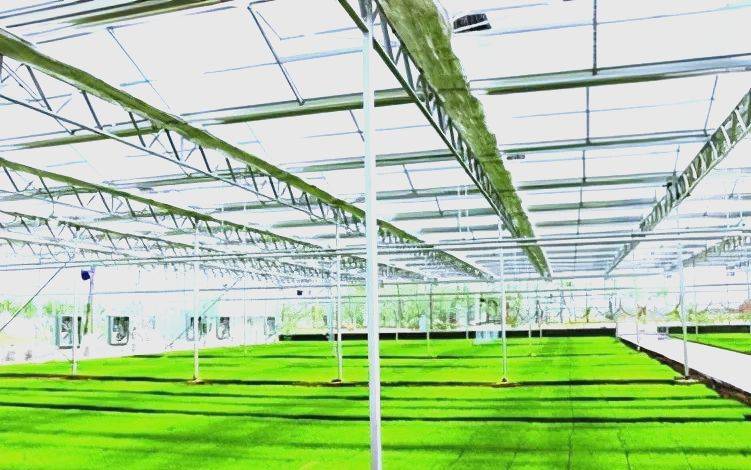
Facilities agriculture, an important method of modern agricultural production, creates the most appropriate growth environment for plants through engineering techniques. It has not only moved away from traditional agriculture's dependence on nature, but has achieved more productive and efficient agricultural production. Smart greenhouses, as their core technology, are equipped with automated facilities, such as computer-controlled skylights, sun-shield systems, etc., making animal and plant production more efficient and environmentally friendly. In addition, facilities agriculture expands agricultural functions, such as agricultural tourism, scientific research, etc., and provides consumers with more abundant options. At the same time, it has broken seasonal restrictions on agricultural products, achieved counter-seasonal marketing and met the demand for diversified and multilayered agricultural products。
As the problem of pesticide residues in vegetables has become more pronounced and food safety has received widespread attention, the construction of environmentally safe greenhouses is particularly important, not only as the cornerstone of the construction of non-toxic agriculture, infrastructure agriculture and standard vegetable gardens, but also as a key facility for ensuring the safety of the quality of agricultural products. Facilities agriculture is increasingly being promoted by its labour-saving, efficiency-enhancing and quality-safety features. The introduction of digital technologies has led to the standardization of crop cultivation in facility agriculture, a model that is not only easy to replicate and replicate, but which will bring tangible benefits to those working in facility agriculture. In the future, as land flows accelerate, the model of land hosting and semi-hosting will become widespread and the deep integration of intellectualization and automation technologies will further facilitate the construction of digital farms and the achievement of standardized production, becoming a necessary trend in the development of facilities。
2. The rise of eco-cafeteria
As society's quest for a healthy diet grows, eco-cafeterias emerge as a new pet of the catering industry. These restaurants focus on environmental protection and health and are very popular with consumers and are characterized by the provision of toxic, organic and green food. The rise of eco-cafeteria not only marks an increase in awareness of food safety, but also contributes to a greener and healthier food industry。
Essential elements of eco-cafeteria include intelligently controlled greenhouses, the natural environment, eco-food, and environmental measures such as energy conservation, water conservation and waste recycling. Such restaurants are perfectly integrated into modern facilities agriculture and green meals, using multidisciplinary knowledge such as architecture, gardening, facilities horticulture and ecology for planning, design and construction. Through facilities regulation, agro-planting and management techniques, eco-cafeterias have been able to preserve their beautiful environment and realize the concept of catering and landscape-based operations。
In addition, eco-cafeterias work to promote green, environmentally friendly lifestyles. Its plant configuration is dominated by green landscape plants, supported by vegetables, fruits, flowers, herbals, etc., combined with landscapes such as fake mountains, waterfalls, small bridges, etc., to create a green, beautiful and attractive dining environment for customers. At the same time, energy-saving, water-saving technologies, as well as the recycling of residues and waste, ensure sustainable operation of restaurants。
Eco-cafés are not only exempt from the traditional greenhouses only for planting, but also give them a variety of functions, such as catering, observation, leisure, recreation, etc. In addition, there are various types of eco-cafeteria that can be tailored to meet the needs of different customers, depending on individual needs。
3. Digital smart management system
Digital smart management systems play a crucial role in the operation of eco-cafeterias. Through this system, restaurants can achieve real-time monitoring and intelligent regulation of the greenhouse environment to ensure optimal conditions for plant growth. At the same time, the system integrates a wide range of functions such as catering management, customer information, and energy conservation and environmental protection, making eco-cafeterias more efficient and accessible. In addition, a digital smart management system can provide a personalized service for customers, meet the needs of different customers and further enhance their dietary experience。
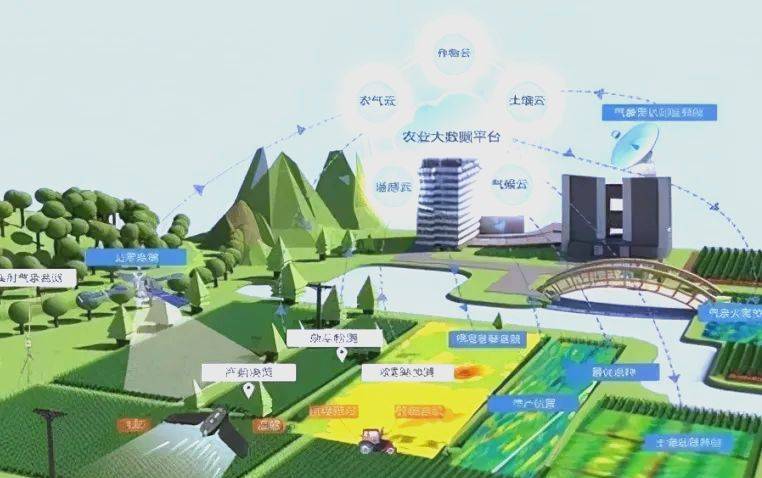
The digital management of facilities agricultural production relies mainly on the integrated use of cutting-edge information technologies such as cloud computing, material networking and big data. These technologies enable large-scale, diversified and efficient use of agricultural data, thus providing the necessary information support and services for the entire process of agricultural production. Prior to production, it is possible to predict and direct emissions scientifically through in-depth analysis of agricultural historical needs. In the production process, the application of smart ring-control and dynamic monitoring techniques has allowed for intelligent control of shed loads and has made it possible to automate irrigation and early warning of pests and diseases, thereby significantly improving production efficiency and product quality. During the post-natal period, the system will provide services such as price performance, forecasting of market trends and traceability of products, contributing to the intellectualization, informationalization and digitization of the entire management of agricultural production. Through these measures, the goal of high-quality, low-cost and high-yield agricultural production has been achieved。
In addition, digital technologies have played a prominent role in the rice cultivation of facilities. Through hosting services, rice data are shared throughout its life cycle, and every link from selection to harvesting expectations is controlled by smart decision-making. This not only leads to the digitalization of the whole industry chain from farm to table, but also provides consumers with safer, healthier and delicious rice products。
4. Scientific planning for rice cultivation
Scientifically organized rice cultivation is essential to ensure its stable high yield, effectively preventing the intensification of pests and pests, the decline in product quality and the erosion of soil fertility. Facility rice cultivation, supported by digital technologies, enables pest prevention, nutrient absorption monitoring and precision control of soil acidity changes. At the same time, growers are able to plan the time nodes of rice cultivation in a more intuitive manner by capturing the growth phase and demand levels of rice。
5. Precision management of hydrofertilizers
Fertilizing irrigation is a central component in the rice cultivation of facilities. Through smart technologies, we can achieve real-time monitoring of the rice growing environment, including key parameters such as temperature, humidity and light. Combining the water demand of rice at different stages of growth, we are able to develop scientific and rational irrigation schemes for fertilizing, thereby achieving intelligent control over the irrigation process. This not only contributes to healthy rice growth, but also effectively conserves water resources and fertilizers。
6. Smartisation of greenhouse environment control
With the support of digital technologies, the greenhouses smart environment control system has been widely applied, especially during the paddy nursery phase. The system integrates greenhouse intelligence controllers, various sensors and software service platforms. Through the ai model control strategy, smart controllers are able to monitor in remote real-time the key parameters of air humidity, soil humidity, co2 concentration, light intensity, etc. In greenhouses. Modelled, the system allows for remote or automatic control of equipment such as a wet curtain winder, shower drip irrigation, internal and external shades of the sun, window-side windows, heating and light, to achieve precision regulation of the greenhouse environment. These operations, which include the regulation of temperature and humidity, ventilation, re-iron irrigation and co2 supplementation, are designed to create the most appropriate growth environment for rice, thereby contributing to high-yield, high-quality, efficient, ecologically safe rice production。
7. Smart warning and control of pests and diseases
Digital technology and the deep integration of facilities with rice cultivation gave modern agriculture a new vitality. With cutting-edge technologies such as artificial intelligence identification, 5g communications, big data analysis and photo identification, smart systems are able to identify the main pests and pests of rice with precision and present basic information about rice in real time and the state of the farming environment. Through a comprehensive analysis of rice growth patterns, pests, disease characteristics and environmental factors, the system provides early warning of pests and diseases, provides farmers with a basis for self-diagnosis and assists specialists in conducting accurate diagnostics, leading to scientifically effective treatment programmes. In addition, the accuracy and intellectualization of diagnostics have been further enhanced with the integration of the large agro-data platform and the internet diagnostic equipment, which have resulted in early detection, prevention and treatment of pests and diseases。