


Agriculture is the cornerstone of human survival and development and bears our fear of the earth and our hope for life. In this vast land, planting techniques are like a magic key that opens the door to harvests. As an experienced agricultural practitioner, i would like to share with you the mystery of farming techniques and to take you into this challenging and joyful agricultural world。
Soil selection and preparation
Soils are the basis for crop growth, as is the arms of mothers, which warm and nourish the crops. In selecting soils, we take into account such factors as soil quality, fertility and acidity。
Soil texture
The soil is divided into sand, border and clay. The sand is well ventilated, but poorly protected; the clay is well protected, but poorly ventilated; and the frontier soil has the advantage of both, the best soil quality. If your land is sand, soil quality can be improved by adding organic fertilizers and clay; if it is clay, sand and organic fertilizers can be added to the aerobics。
Soil fertility
Soil fertility is the ability of the soil to provide the nutrients necessary for crop growth. We can use soil tests to understand the fertility of the soil and then fertilize on the basis of the results. In general, the soil needs to contain sufficient quantities of nitrogen, phosphorus and potassium, as well as calcium, magnesium, sulphur and trace elements such as iron, manganese, zinc, copper, boron and molybdenum。
Soil alkalinity
Soil alkalinity also has a significant impact on crop growth. Most crops are suitable for growth in neutral or microacid soils with ph values ranging from 6. 0 to 7. 5. If soil is acidic or alkaline, soil alkalinity can be regulated by adding lime or sulphur。
In preparing the soil, we have to do deep tillage, flattening and fertilization. Deep tillage improves the air-absorption and water conservation of soils and increases soil fertility. Land levelling can make irrigation and drainage more even and contribute to crop growth. Fertilisation can be performed on the basis of soil tests and crop demand and can generally be divided into base and pursuit. Base fertilizer is the fertilizer applied to the soil before cultivation, providing the basic nutrients required for crop growth; catch-up is the fertilizer applied during crop growth, supplementing the nutrients required for crop growth。
Selection and handling of seeds
Seeds are the starting point for agricultural cultivation, and the choice of high-quality seeds is key to harvest. In selecting seeds, we need to take into account factors such as seed varieties, purity, gerontology and adaptability。
Seed varieties
Different crop varieties have different characteristics and adaptability. We have to choose the appropriate varieties according to our own planting environment, market demand and planting purposes. For example, if you grow rice, the choice of suitable rice varieties for local cultivation takes into account local climatic conditions, soil types and irrigation conditions。
Torrent purity
Seed purity is the ratio of pure seeds to seeds. The higher the purity, the better the quality of the seeds. We can guarantee the purity of seeds by purchasing regular-source seeds or testing them。
Seed sprout rate
Seed sprouts are the proportion of seeds that can germinate under suitable conditions. The higher the growth rate, the more dynamic the seeds are. We can learn about seed gerontity by testing it。
Seed adaptability
Seed adaptation is the adaptation of seeds to different planting environments and climatic conditions. We need to select adaptable seeds to increase the success rate of planting。
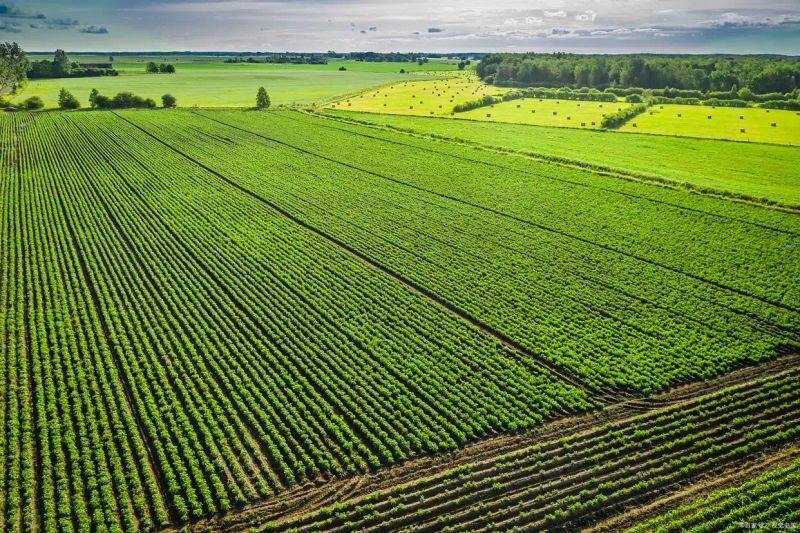
When dealing with seeds, we can do things like impregnation, seedling and disinfection. Absorption allows the seed to absorb sufficient moisture to facilitate the gerontization; seedlings accelerate the gerontization of the seed and increase the gerontization rate; disinfection kills the fungi and eggs on the seed surface and reduces the occurrence of pests and diseases。
Iii. Cultivation patterns and density
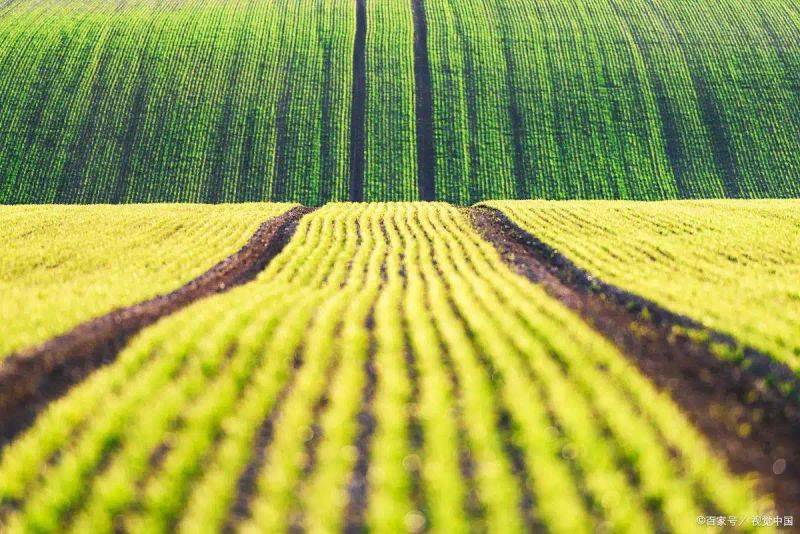
Cultivation and density also have a significant impact on crop growth and production. We need to choose the appropriate planting methods and density according to the characteristics of the crop, the planting environment and market demand。
Cultivation
Cultivation can be carried out live and by seeding. Live broadcasts are used to sow seeds directly into the soil, for some crops with short-lived and adaptable growth cycles; and seedlings are used to plant seeds first in their beds and then in the soil, for some crops with long-lived and environmentally demanding growth cycles。
Plantation density
Cultivation refers to the number of crops grown within a unit area. Excessive cultivation density can lead to competition between crops for nutrients and sunlight, affecting crop growth and yields; and low planting density can waste land resources and reduce yields. We need to determine the appropriate planting density based on crop varieties, growth habits and planting environments。
Irrigation and drainage
Water is the source of life, especially for crops. Reasonable irrigation and drainage ensure normal crop growth and development。
Irrigation
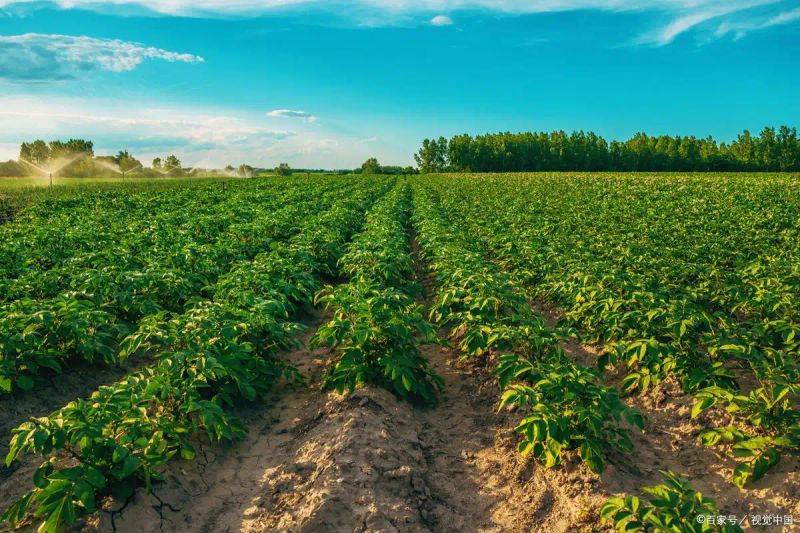
Irrigation can be divided into ground irrigation, spraying and drip irrigation. Ground-based irrigation is the most traditional form of irrigation and applies to large areas of agricultural land; spraying is the use of nozzles to spray water on crops and to some crops with higher water requirements; drip irrigation is the use of dripping water to the root of crops and to some crops with precise water requirements. We have to choose the appropriate irrigation method according to the demand for crops and the environment in which they are grown。
In irrigation, we need to pay attention to the timing and quantity of irrigation. In general, the timing of irrigation is chosen in the morning or evening to avoid irrigation at high noon temperatures and to avoid burning crops. The amount of water to be irrigated is to be determined on the basis of crop demand and soil moisture to avoid over- and under-irrigation。
Drain
Drainage is intended to prevent soil accumulation and affect crop growth. We need to install drainage systems in our fields to remove excess moisture in time. Drainage systems can be divided into open ditch drainage and dark pipe drainage. The discharge of the open ditch is the digging of drains in the field and the draining of excess water into rivers or lakes; the draining of the dark pipe is the laying of a dark pipe in the field and the draining of excess water into the groundwater。
V. Fertilization and pest control
Fertilization and pest control are essential components of agricultural cultivation. Sound fertilization can improve crop yields and quality, and effective pest control can reduce crop losses。
Fertilizing
Fertilization is based on crop demand and soil fertility. In general, fertilization can be divided into base and pursuit. Base fertilizer is the fertilizer applied to the soil before cultivation, providing the basic nutrients required for crop growth; catch-up is the fertilizer applied during crop growth, supplementing the nutrients required for crop growth。
In fertilizing, we have to pay attention to the method and amount of fertilization. The methods of fertilization can be divided into fertilisation, stripping and denting. The application is to spread the fertilizer evenly on the soil surface and to apply to the application of some of the base fertilizers; the stripping is to release the fertilizer into the soil and to apply to some of the applications for which it is sought; and the cavity is to put the fertilizer into the caves at the root of the crop and to apply to some of the crops that require precise fertilizer requirements. The use of fertilizers is determined on the basis of crop demand and soil fertility to avoid over- or under-fertilization。
Pest control
Insects and pests are important factors affecting crop growth and yields. We need integrated pest and disease control measures, including agricultural, physical, biological and chemical control。
Agricultural control and control reduce the incidence of pests and diseases through rational cultivation, rotation, inter-cropping and deep farming. Physical control is the use of physical factors, such as light, colour, temperature, etc., to induce insects to be killed or to avoid pests. Biological control is the use of biological factors such as natural enemies, micro-organisms and plant extracts to control the occurrence of pests. Chemical control is the use of chemical substances such as pesticides to kill pests and diseases。
In the context of pest control, we need to select appropriate methods of control and pesticides to avoid the misuse of pesticides, resulting in environmental pollution and the safety of the quality of agricultural products。
Vi. Harvest and storage
The harvest is the last link in agricultural cultivation and the fruit of our hard work. When harvesting, we determine the timing and methods of harvesting based on crop maturity and market demand。
Harvest time
Different crops have different harvest times. We need to determine the timing of harvests based on the maturity of the crops and avoid premature or late harvests. In general, crop maturity can be judged by indicators such as crop appearance, colour, hardness, etc。
Harvest methods
The harvesting methods can be divided into manual and mechanical harvesting. Artificial harvesting applies to some small areas of agricultural land or to some crops that require higher harvest quality; mechanical harvesting applies to some large areas of agricultural land or to some crops that require higher harvest efficiency。
After harvest, we need to store and process agricultural products in order to extend their shelf life and increase their value added. Storage methods can be classified as refrigeration, drying, pickled etc. We need to choose the appropriate storage methods according to the characteristics of agricultural products and market demand。
Agricultural cultivation is a challenging and joyful undertaking. In this process, we need to continue to learn and explore, acquire advanced cultivation techniques and increase our own level of cultivation. At the same time, we must love this land, respect the laws of nature, protect the environment and leave a beautiful home for our children and grandchildren。
It is hoped that this article will help you to get further along the agricultural path and reap more harvests and joy。



