Early in the autumn of september, the swordsmen of kamma village, an old town in pinggo city, guangxi city, received harvests. In the eyes of the world, a mountain of rock and stone has been sewn with a tall sword, and the local villagers hold a blade with their hands, grab the blades, get their hands numb and move well. At the swordsman processing plant, which is not far away, the pyrotechnic force is running and the newly harvested saber blades are being processed in the first place。
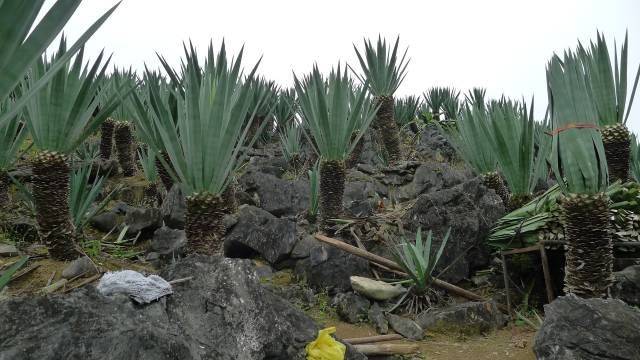
On the hill of koma village is a tall sword。
As an important hard-leaf fibre crop in subtropical areas, the swords are the most widely used and applied type of hard-leaved fibre in the world today, with fibre production accounting for two thirds of world hard-leaf production. “at present, guangxi is growing 212,000 acres, accounting for about 78 per cent of the country's total area of cultivation, and produced more than 630,000 tons of fibre throughout the year, accounting for about 91. 6 per cent of the country's total fibre production, both of which are the highest in the country.” mr. Chen tao, head of the nanning sword test station of the national astronomy technology system and head of the swords research team of the institute of subtropical crops of the guangxi autonomous region (hereinafter referred to as “the guangxi hot institute”)。
Read the book of the mountain
The sisal acre production is the highest in the world
It is understood that saman fibres, which have characteristics such as breechness, cleanness and tenacity, high strength, high insulation humidity, grinding resistance, seawater impregnation, corrosive resistance and static power, play an irreplaceable role in such important areas as defence, navigation, construction and transport. The pyroma-processing by-product steruity is rich in saber soap, a basic raw material for synthetic thorin-type drugs and has wide medical prospects。
In contrast to its vast use scenario, there is a lack of capacity. “doesn't currently meet the demand for domestic fiber production and needs to be imported from abroad every year.” chen tao explained that it was important to increase the technology of sisal cultivation and to increase the production of sisal fibre in an environment where there was low fibre production in general, less resistance to cold and less economically efficient。
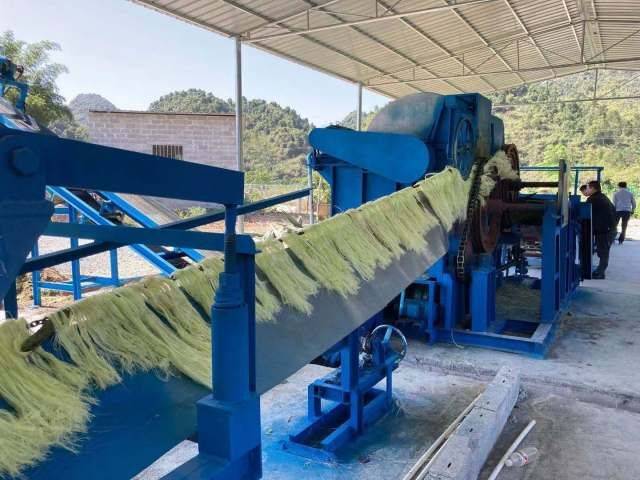
The use of fretilin is widespread。
As early as the 1960s, the guangxi hotspot carried out research on sisma, which was first planted at nanning test station and mapo farm in lugawa county, yulin city. In 2008, the nims nanning swordsman test station was established on the basis of the guangxi fever. From basic points such as soil improvement, pest control, to the screening of good strains with a long life cycle with a optimal number of leaves of up to 600, the selection of higher-quality varieties continues
Today, the research staff of the guangxi thermal research institute have concluded that a systematic set of “high-yield production and efficient cultivation techniques” have been developed, with a cumulative area of more than 20,000 acres in the guangxi and yunnan sword-max areas, with a value of 140 million yuan. Of these, 697 kg of saberacre-producing fibres were planted on the pilot site of guangxi farming mountain farm limited, the highest in the world。
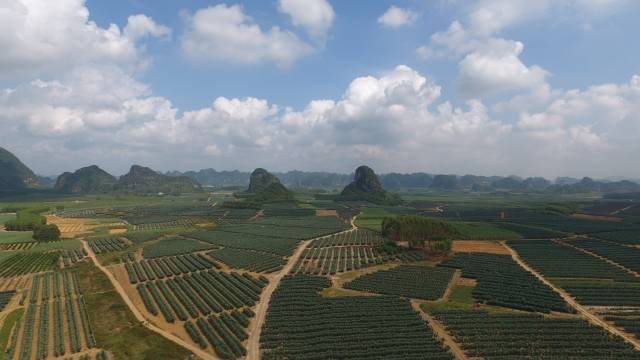
Guangxi agricultural zilong shan farm test site。
In addition, the guangxi hotspot has developed multi-season planting techniques for swords and porks, rotational leaf cutting techniques for swords and swords, upgrading of the “laying poles + alternative” cultivation techniques for mahjong, powdered farming techniques, and standardized mahjong cultivation and management techniques, all of which have had significant results. “according to standardized mahjong cultivation and management techniques, our 200-acre old sword mahjong produce an average of more than 500 kilograms of dry fibre, with a value of over $1. 35 million.” naming city, yanzhou city, says chen xingxing。
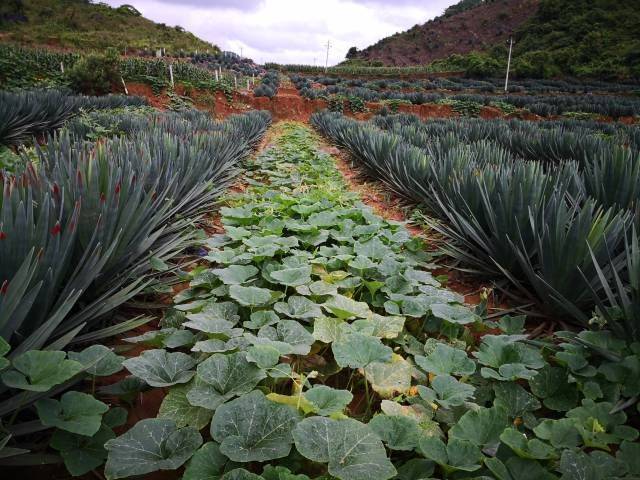
The technique of inter-season planting (pumpkin) is used in swords and pumpkin。
Scrolls in stone
Improvement of the environment in ecologically fragile areas of pheine guiang
In the provinces of guangxi, yunnan and guizhou, there are more ecologically vulnerable areas, such as the mountainous areas of typhoid desertification, the dry-heat valleys and the heavily metal-contaminated areas, such as the village of komma, the old town of pinggo, in guangxi city, yunnan chuyu county, and the village of five mountains, in the large new district of guangxi city. These areas are characterized by heavy soil erosion, with less than 5 per cent vegetation cover, which can result in reduced crop yields and increased heavy metal content in agricultural products, leading to food security problems。
“the roots of the swordsman are well developed, drought-resistant and infertile, and have grown widely in recent years, and the use of the swordsman for the improvement of the ecological environment is of greater economic value than other one-year grass-remediation crops.” chen tao said that it was even more important that serma products did not enter the food chain, did not endanger human health and were ideal soil restoration vegetation。
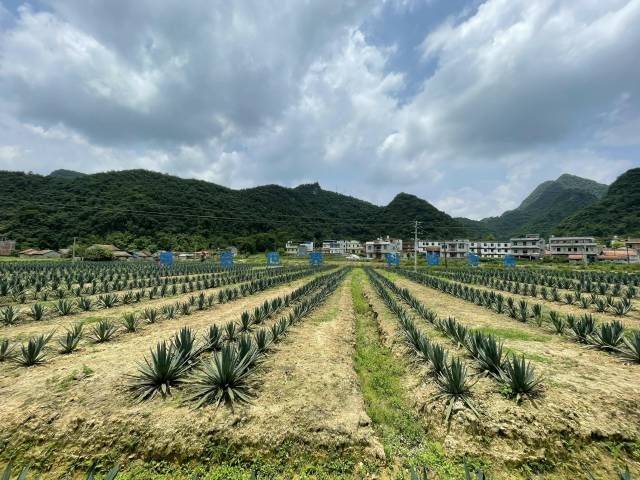
Plantation of saber to repair contaminated plots of heavy metals。
From 2011 to date, the guangxi thermal institute, in association with the institute for environmental and plant protection of the chinese academy of tropical agriculture, conducted ecological experiments for the restoration of sauna cultivation in the zanxi and yunnan quartile deserting mountains, the dry fever valleys and heavily metal-contaminated areas. Not only has the ecological environment been improved effectively, but it has also led to the emergence of an eco-cycle economic development model based on saena cultivation, which has increased the economic, social and ecological benefits of local saena cultivation。
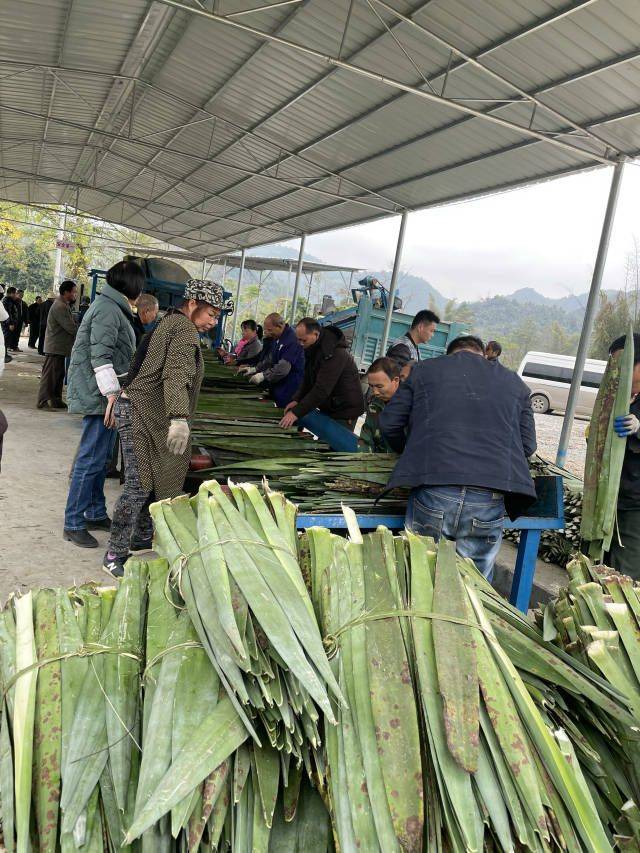
Kenmah village primary processing plant。
In the village of koma, where the old desert hills were bare, the stone is now sewn with huge swords, mountains and onions. “our village is now growing more than 10,000 acres, with a line-line sowing plant, and with a value of more than 50 million yuan.” the secretary of the koma village party is loyal。
Waste processing
Slag water for multiple pathways for reuse
“the fibre content in the flask leaves is only 3-5% of the total biomass, and during the processing of the flask, a large amount of ash and somatic waste is generated.” chen tao described the abundance of soap, fruit glue, chlorophyll and cellulose in samanite waste and its high utilization value, which, if released directly or stacked, could result in waste of large amounts of resources and serious environmental pollution。
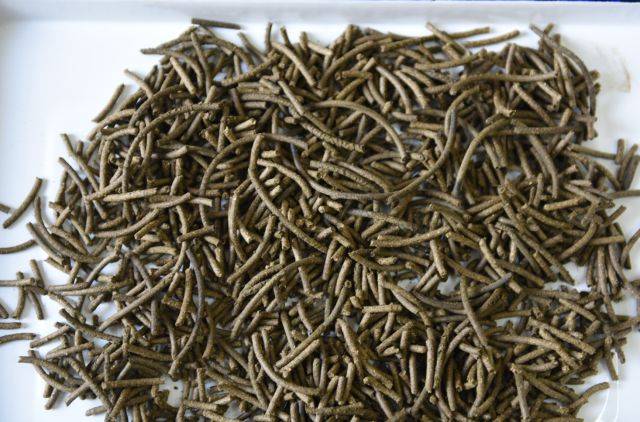
Sword-smelting feed particles。
In 2008, the guangxi hotspot carried out studies on slag biological organic fertilizers in the field, flag feed for goats, plume delivery drops for the field, soap fruit glue and alcohol extraction. Among them, the use of sterilized bioorganic fertilizer increased by 39. 19 per cent compared to the production of the sword, and the use of leach feed to feed goats reduced the cost by 55. 47 per cent. “in addition to its irrigation role, the pyro-water emissions have been effectively addressed.” the minister of agriculture and production of the east wind farm in guangxi was very impressed by the reference to the reuse of samanite waste。
In terms of processing, the sisal process industry has gradually moved from a labour-intensive to a technology-intensive process, from manual scavengers to automatic discharge of a dragon production, and technologies for the manufacture of sisal machines and the processing of products have matured, with the development and extension of technologies such as the scavenger process and ancillary equipment carried out by the sisal research team in guangxi, and the light and light transport series of devices having played a decisive role。
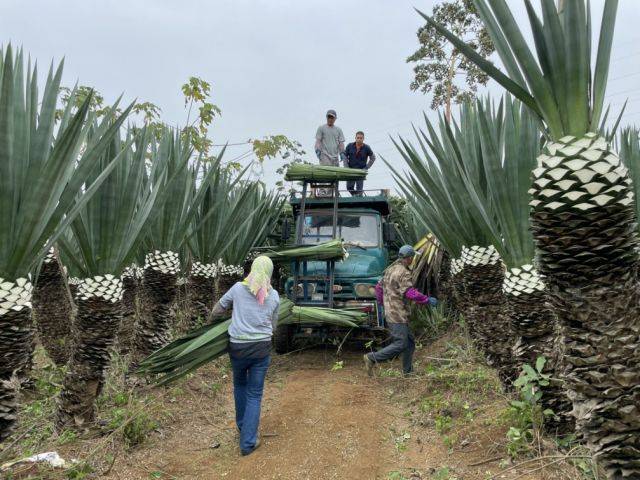
Swordsman loader。
“when the sword was cut off, it had to be carried by manpower, and the traditional conveyor belts had to be carried out in the sword, and the saber loader we had developed was only a small part of the car's head, so that it could be loaded with saber-leaf machinery and reduced labour costs.” chen tao explained that these technologies have been replicated not only in the swords-max region but also in the swords-max region of tanzania, myanmar, the philippines and venezuela, where they have accumulated over 500,000 acres over the past three years。
[reporter] zhou fong
Ningle, ming