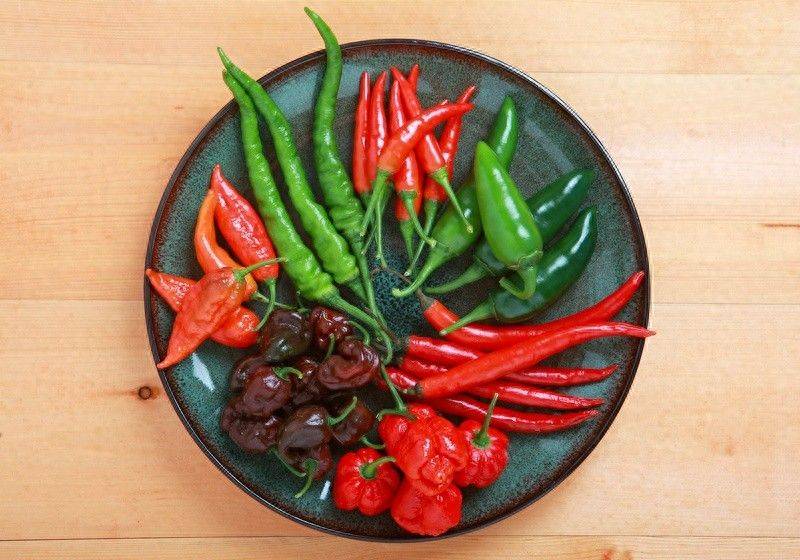
Since ancient times, chili has been a very important hot sauce and produced throughout the year. There are a variety of varieties of chili, varying degrees of chili, and fresh peppers, dry peppers, pepper powder, pepper sauce, etc., are available in the world alone. These different degrees of chili are also different, and the usual red peppers are more likely to be immersed, baked, fried, boiled and so on, bringing different chili scents。
Let's know about spicy
In 1912, the american chemist wilbur scoville worked with the pharmaceutical company he worked on to develop a method to measure the indicators of pepperoni. The test method is named "scoville sensory spicy test" and the unit of spicyness is translated into the scoville head unit (shu)。
Spicy gathering
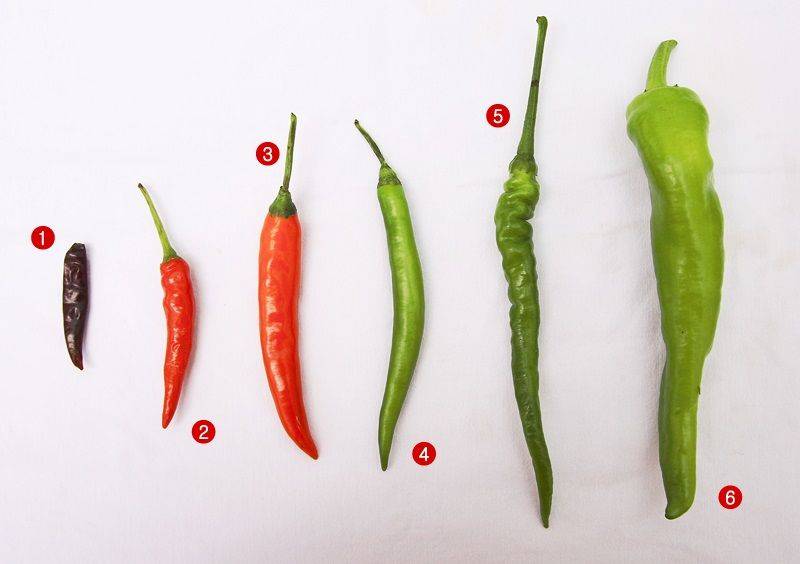
The variety of peppers is quite rich, color-specified, and red peppers are more spicy than blue peppers; the smaller they are, the smaller they are. As shown below, 1 is for hot peppers, which are dry and dry for red peppers, and are more concentrated and more hot than the normal red peppers; 2 is for "cream peppers (also known as sky peppers), which are smaller in size and more spicy in size; 3 is for hot peppers, 4, 5, 6 are for supermarkets, the market is more common, and 6 is for peppers, 4 and 5 per cent for peppers, and 6 for peppers, respectively, is decreasing in order, and the skins of peppers are wrinkled, often used for fast frying, and acrete peppers are used to make meat。
In addition to the red striped chili, the following is the world-renowned chili, which is more popular in chili, from the first class, to the mid-class, to the mid-class, to the super-cpico, to the hot peppers, to the chocolate peppers
Moruga
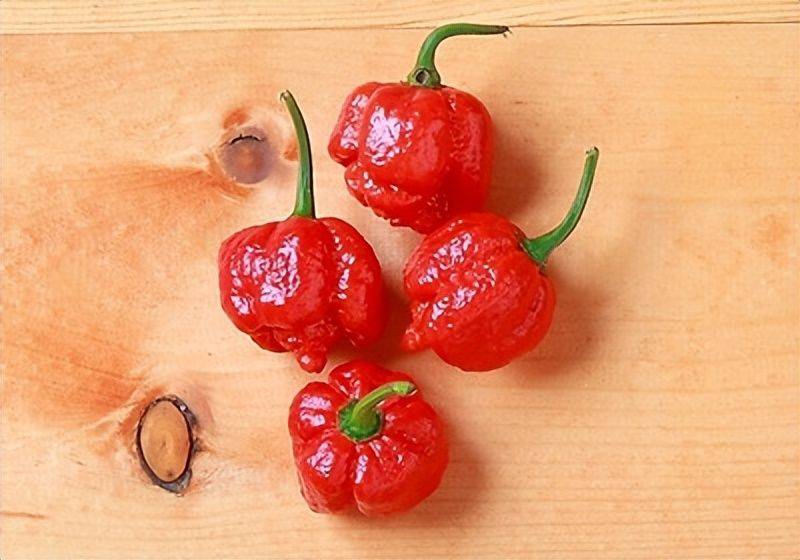
Production: havana, cuba
Characteristics: despite being round and short, the shape is like a rose petal, having been crowned by the world's first hot sister in 2012
Spicy: 1,481,000 shu
A little comment: the entrance guarantees three seconds for tears。
Hot pepper
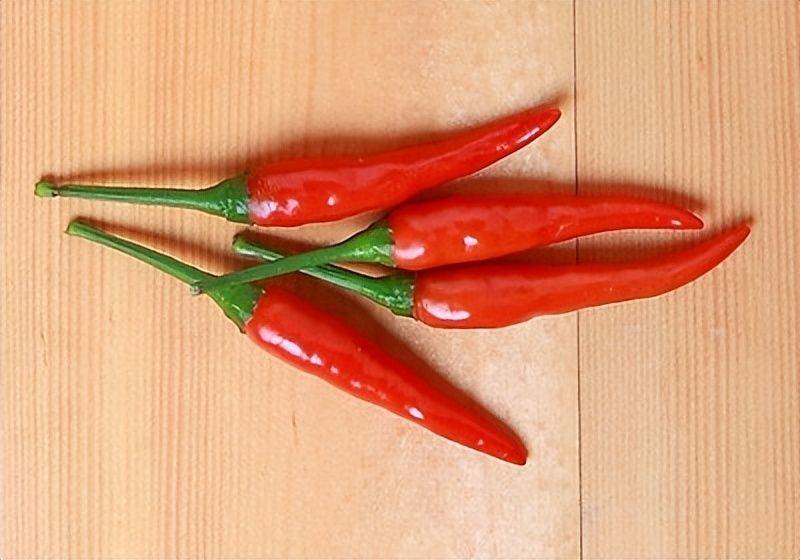
Country of production: mexico
Characteristics: also known as chili chicken heart, red skin and fibrosis, the most popular hot chick。
Spicyness: 50,000-100,000 shu
A little comment: the entrance tongue has a slight fever, which is the first choice for a lot of hot people。
Sweet chili
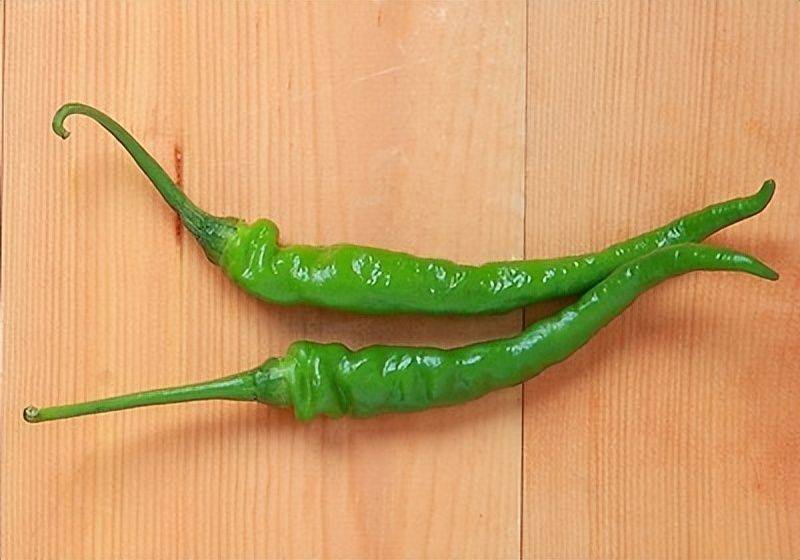
Production sites: central and south america
Characteristics: it's also called rice pepper, green belt wrinkles. It's not nice, but it's wonderful。
Spicy: 0-5,000 shu
A little comment: kids too。
Chocolate chili (chocolate habanero chili)
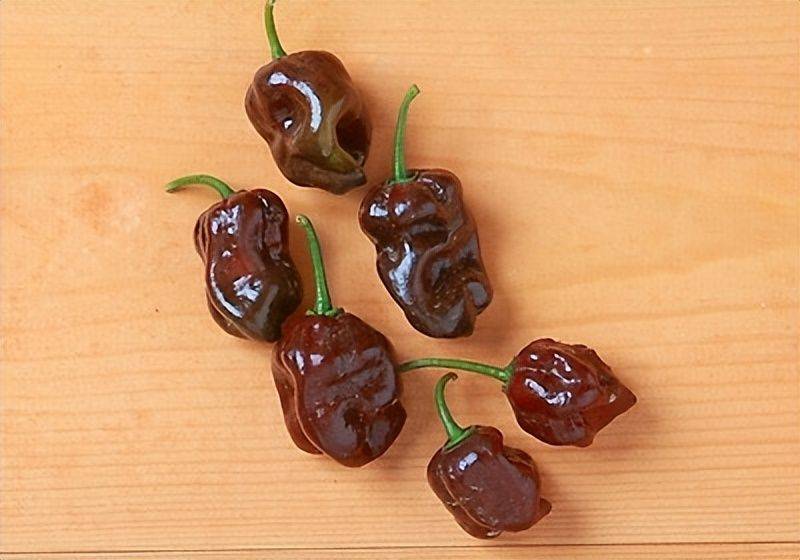
Country of production: mexico
Characteristics: red to purple, colored like chocolate, spicy as it looks。
Spicyness: 40,000-500,000 shu
Little comment: spicy goes straight to the head, but it comes fast。
Naga moricni
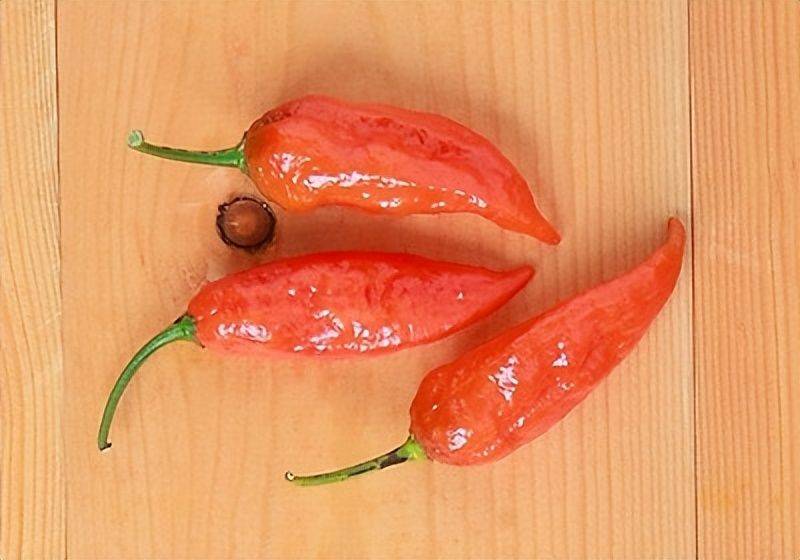
Production: india
Characteristics: precinct peppers, also known as guillotine, are twilight but spicy, having been crowned by the world's first hot sister in 2007。
Spicy: 1,598,227 su
A little bit of hotness spreads all over。
Capsicum annuum
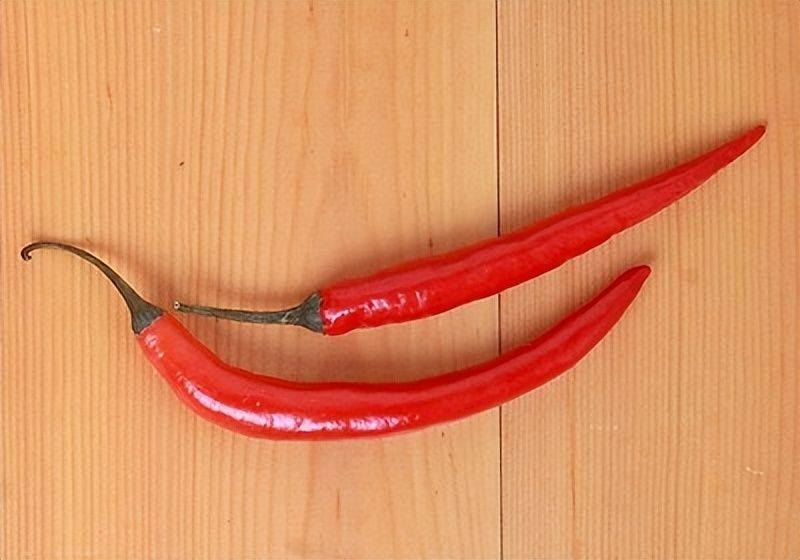
Production sites: central and south america
Characteristics: tall and thin, seemingly spicy, slightly spicy, high human quality。
Spicy: 15,000-30,000 shu
Small comment: the throat is slightly hot, but for spicy people, it's just a taste-added effect。
Jalapeno m
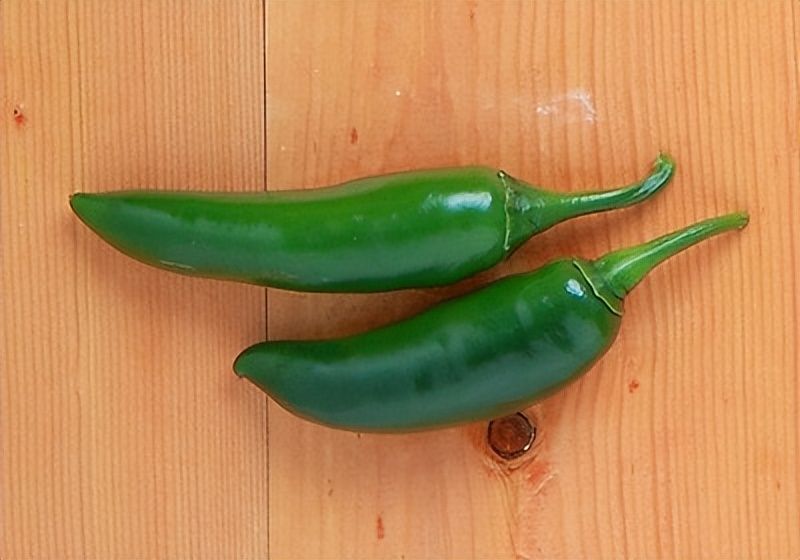
Country of production: mexico
Characteristics: small, but very popular with foreigners, who are not like other sisters but have their own unique taste。
Spicy degree: 6,000-8,000 shu
Little comment: eating is ok。
She's the best in the world
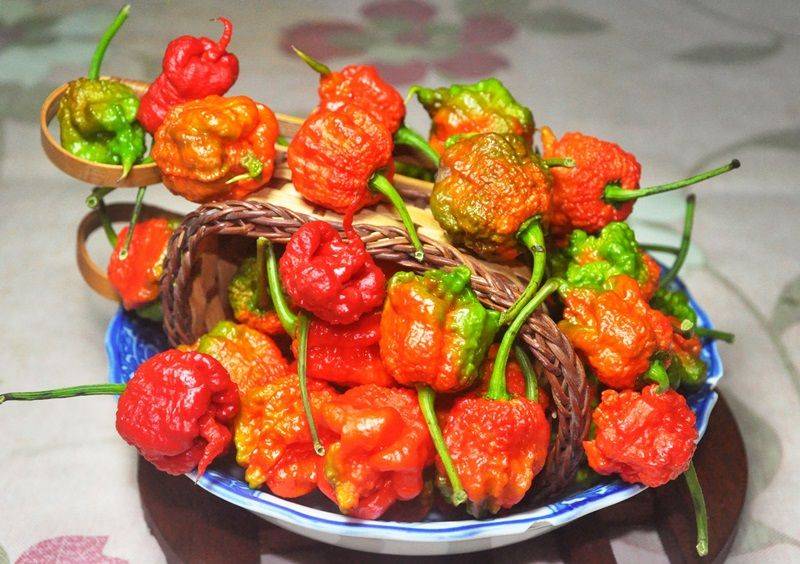
The general protection against pepper spray is about 10,272 million shus, and police sprays are mixed with a variety of peppers, about 20,63. 3 million shus. The 2013 gold world record was certified as the world's hottest chili "carolina deaths" with 2. 2 million shus, but less common on the market。
Where's spicy
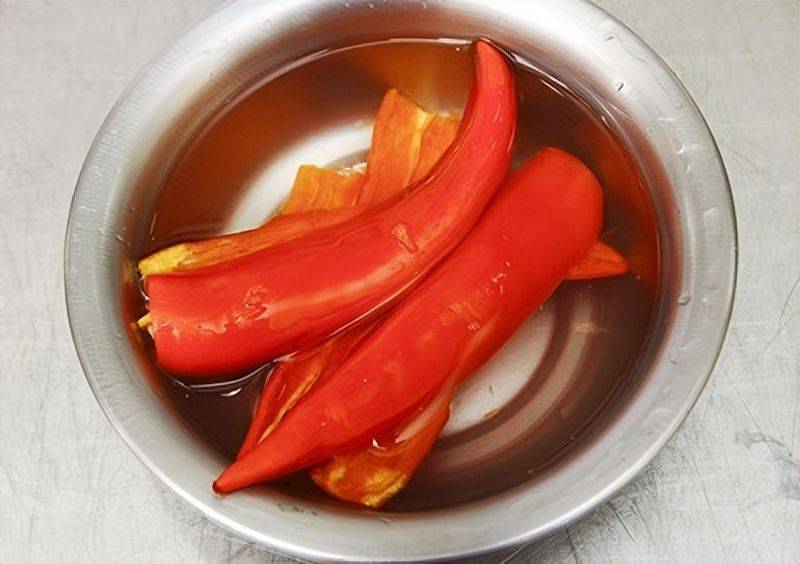
The spicy smell of chili comes from pepper seed, chili meat, which, in the course of cooking, is cut in half, so that the spicyness of chili can be diluted in the water, thereby reducing the spicyness。
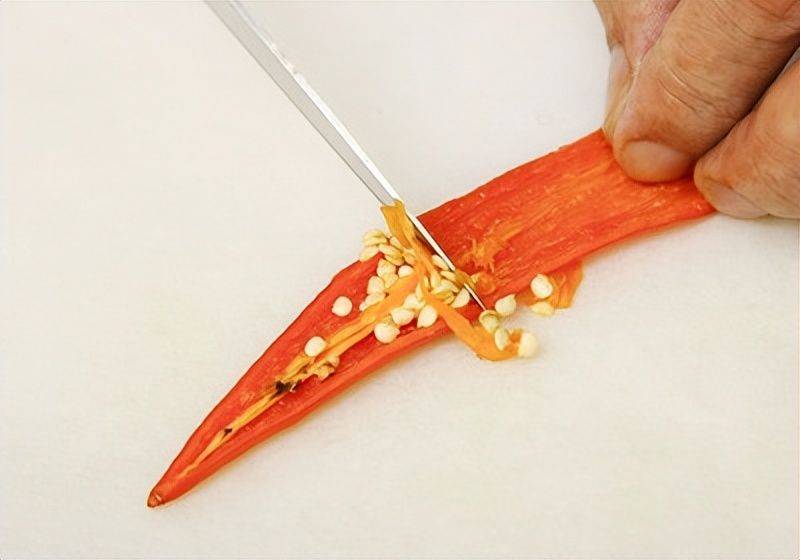
In addition to watering chili, knives can be used to remove pepper seeds and spicy levels can be adjusted。
Hotter chili
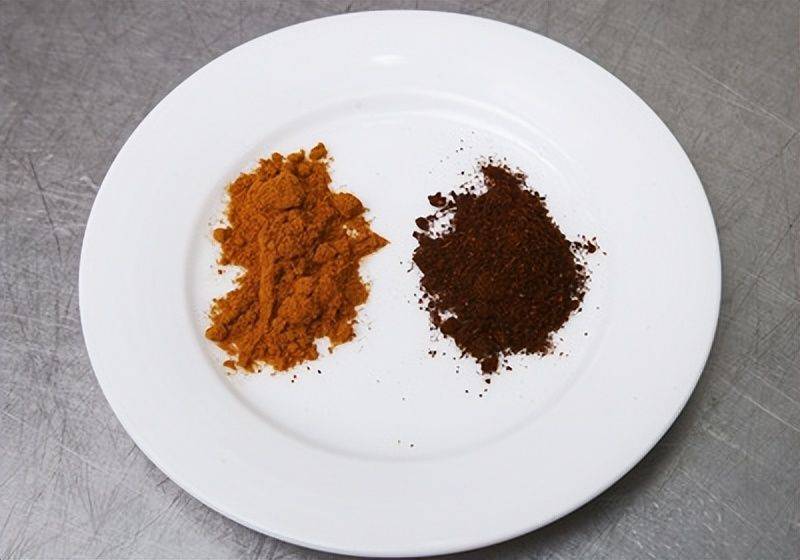
It is made of pepper dry mills, which, when prepared, are directly usable, more convenient, and, in contrast, more spicy than spicy peppers, fresh spicy peppers, and different spicy powders, which vary according to variety。
Dry peppers
Spicy peppers are hard, and the pleasure of spicyness is felt at once, but it comes and goes fast, while dry peppers pass through the baking, sun and so forth, mainly to keep the chili breath and lock it in, and the entrance is a soft spicy one that reaches the stomach through the throat, making it more visible。
How do you keep the chili
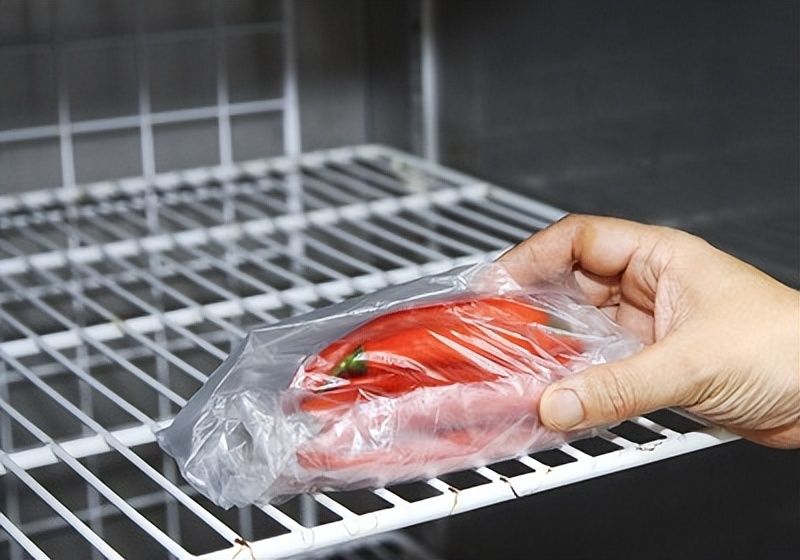
Fresh peppers can be kept at room temperature for about 5 times 7 days, with the option of cold storage or dry storage, drying them up before freezing, and in a plastic bag, with a maximum duration of one month, without the need to unfrozen, except to remove the peppers and make them more crumbs; and dry storage, with a needle line, with the peppers tied up and hanging at the ventilator。
I've learned a little bit about chili
Q, how do you lower the spicy taste
A the sense of spicyness is the result of chili in chili, or chili, which is currently the most effective form of softening of spicy milk because it contains proteins called cheese protein, which combines with spicy peppers and reduces the fever in the mouth, so it has a good downscaling effect on milk, yogurt, etc。
Q, is it good for you to eat chili
A paprika is rich in nutrients such as vitamin a, vitamin b, vitamin c, vitamin e, calcium, iron and dietary fibres, with the first 100 grams of fresh pepper containing 144 mg vitamin c of all vegetables. Another one says, "spicy helps sweat and promotes metabolism!"
Q, is chili a four-season crop
A the temperature suitable for cultivation is 25-30°c, which can be harvested for about three months; as a result, the climate in the north is cold, so it tends to grow mostly in spring, fall, and high in the south, usually during autumn and winter seasons and spring, so it tastes good throughout the year。