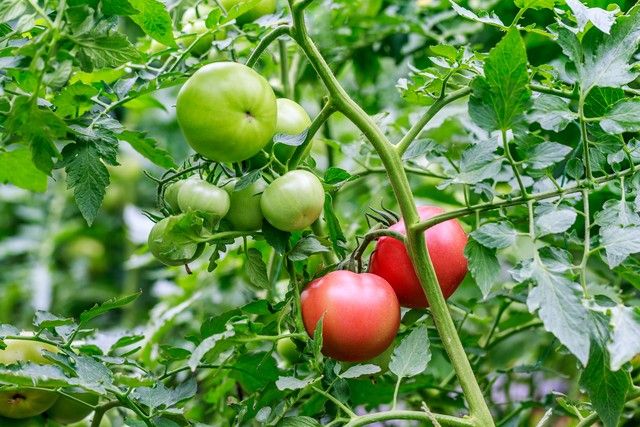
Home-grown tomatoes, whether on the balcony or in the vegetable garden, are the most vulnerable to problems with yellow leaf failure and fruit figs, and are working for half a day to grow weakly, with less difference in outcomes. In fact, with a few key small skills, the tomatoes can flourish, the fruits are full of branches, and the new hands can easily grow high yields。
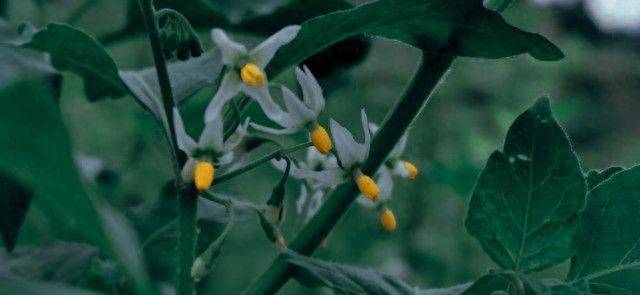
The roots are at the heart of conservation if tomatoes are not yellow leaves. Many people feel that yellow leaves are short of water and fat, and most of them have problems. Cultivated sandy soil must be selected in such a way as to avoid the accumulation of water by soil sheeting, with a pottery plating or shredding boosted to drain water, and with an early rise to prevent rooting after the rain. In order to avoid frequent watering, and in accordance with the “dry-and-wet” principle, water is distributed in a manner that avoids high noon temperatures, selects cool periods in the morning and evening, and is accompanied by thin periods of fertilisation, dominated by decomposition of organic fertilizers, and avoids excessive nitrogen fattening, otherwise the planters will grow yellow leaves and apply phosphate fat every 10 days, which will make the leaves green and more resistant。
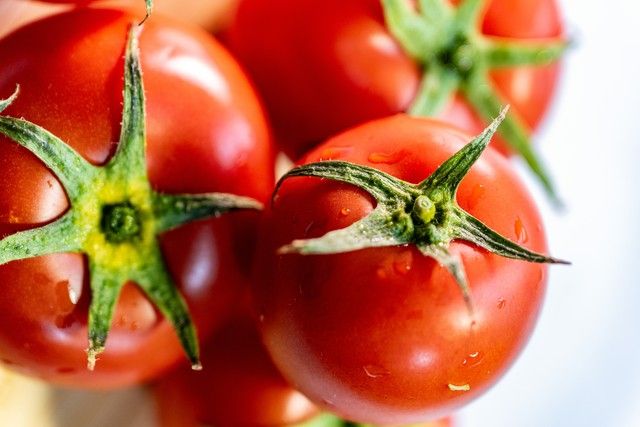
Prevention of fissures is key to balanced management of moisture and nutrients. The main cause of the fissures is the wet and dry wetness of tomatoes during the expansion period, when, after the drought, heavy water is poured and the fruit meat swells quickly, and the skin breaks if it does not keep pace with growth. During this period, soil moisture will be stabilized, with a small number of times watered during drought, while straws and straws will be covered on the soil surface to reduce evaporation and stabilize soil temperature. In addition, calcium deficiency is an important contributing factor to the fissure, which is applied in a timely manner, with the application of leaf pasta fat every seven days and two to three consecutive times, which makes the skin more resilient and effective in reducing the fissures, as well as the timely removal of the dense branches, ensuring ventilation and avoiding local wetness of the fruit。
The day-to-day management also needs to be done, with output doubling directly. The first is to sprout the whole branch in time, with a fast-growing tomato side, which consumes a great deal of nutrients, preserves the main branch and one or two strong side branches, removes all the remaining side branches, removes the leaves from the bottom, enhances ventilation in the field and reduces the incidence of disease. The second is to do the pollination work, with the use of natural pollination in the field, with the light-strangling of the balconies, with an increase in the sitting rate, and the timely utilisation of the fruit, with 3 to 4 healthy fruits per ear, a concentrated supply of nutrients and a greater and more even growth of the fruit。
In fact, tomato cultivation is not difficult, as it takes the three cores of yellow leaf protection, water protection against fissures, and whole-grown results, without complex management, to keep the plant strong. From summer to autumn, the fruit of the red is full of branches, whether it be eaten or sold at home, looks and yields. Take advantage of the planting season and try these practical techniques and free tomatoes