


As friends of their home gardens and balconies grow tomatoes, the spring and summer festival is the golden period of tomato madness and large amounts of flowers. Watching tomato seedlings grow so thick that a light yellow little flower is covered with twigs, let's not be so happy, waiting for the flowers to bloom, and soon we will be able to eat fresh tomatoes, which are red, sweet and juicy。
Many of the cabbage have seen the flowers grow and feel that this year has been a good year, and have been left out of business and allowed to grow freely. But it's sad and sad to see a small flower in a few days, when it's so hot and full of flowers, and when it comes to the flowers, even the small little bits of fruit that have just come out of it, leaving the leaves of green oil empty, and the fruit that was longing for, the hard and hard to live, and to live for six months。
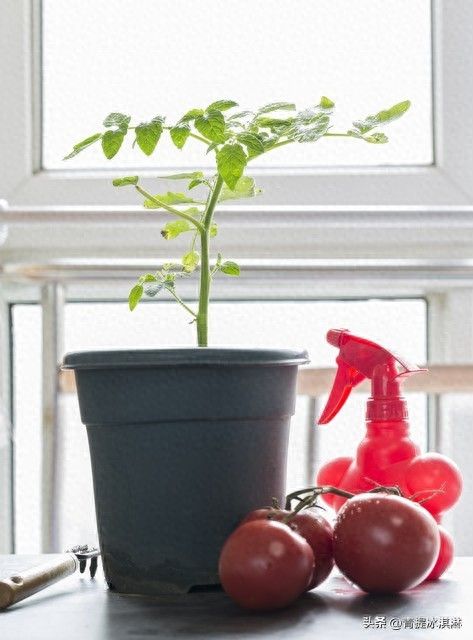
Many of the friends who believed in tomato cultivation had experienced such a bad situation: the previous period had been characterized by a very high number of flowers and a very high flower, which meant that they could not keep fruit and that the phenomenon was particularly severe. Some of them grow only flowers and do not sit down, some of them fall off on their own, while others barely retain a few, mostly deforming, small and rigid, with differences and slow growth that do not produce high-quality results。
There is a clear difference between looking at other people's tomato blossoms in order, having a very high rate of sit-in, a string of tomatoes falling into branches, full of round heads, picking them from the early summer to the fall, and emptying their own tomatoes. Many people are wondering where the problem is and are blindly fertilizing it, not only without improving the problem of falling flowers, but rather with increasing severity。
In fact, the large amount of flowering fruit in the flowering period is not due to poor varieties, poor seed quality, or soil infertileness, most of which is due to poor management of the flowering season and poor daily conservation. The flowering of tomatoes is the most critical turning point in the entire growth process and the most vulnerable stage, a period that is properly managed so that the fruit can hold firm, and later the fruit is more and more stable; when the management is loose and the method is wrong, the flowers fall in vain and cut production by half。
Today, to tell the farmers and home-grown growers that tomatoes are in the middle of a flower season, to keep the flowers and to keep them firm, and to prevent the flowers from becoming empty, it is only necessary to straddle the four core issues and manage them in such a way that they can significantly increase the number of sitting fruit, reduce the number of falling fruit, fill the post-plant with a full branch, have a big mouth, produce a sustained harvest and produce a large harvest。
First thing: control the fat, stop the fat, stop the squirts. Min
The first thing most taboo about the flowering of tomatoes is that they are watered and fertilized, which is the most important reason for the large area. A lot of cabarets look at the size of the tomato flower and think of doing bad things by pouring more water and fertilizing it, supplementing the plant with sufficient nutrients and helping to produce more results。
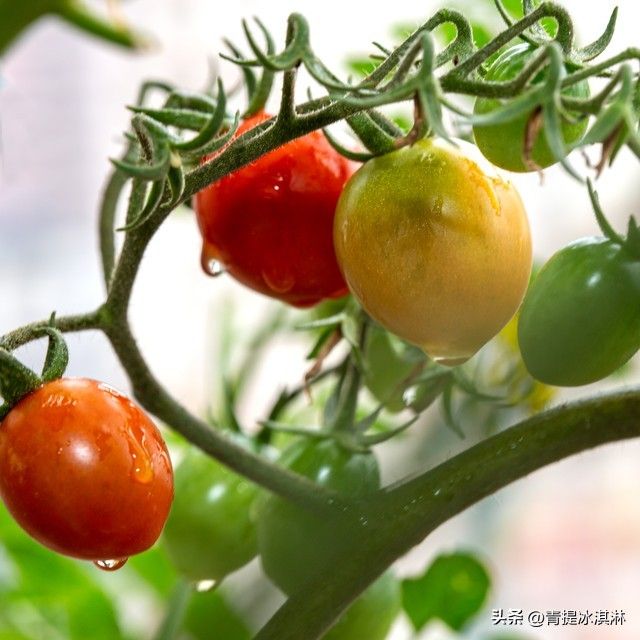
First of all, there's the waterfall. Before flowering, tomatoes can properly keep the soil wet and promote fast-growing branches, but once fully flowering, water must be reduced and its frequency controlled. The water demand for tomato flowering is low, and if daily watering, long-term wetting of the pelvis, heavy soil water accumulation in the field, long-term lack of aerobic humid conditions in the tomato root system, poor breathing of the roots, reduced vitality, weak absorption capacity and high risk of root depression。
At the same time, excessive soil moisture contributes directly to the frenzy of the tomato vines, the sprawling of the branches, the concentration of large amounts of nutrients on the leaves, the inadequate nutrients of the flowers, the weakness of the flowers, the lack of development of the flowers, the natural inability to successfully pollute them, and the slow onset of yellow atrophy。
It is important to bear in mind that during the flowering of tomatoes, the principles of wet and dry conservation are followed, and that when the soil surface is completely dried up, a small amount of water can be replenished and the soil moist, and no heavy water can be drenched. In the face of successive rainy weather conditions, it is important that drainage be done in a timely manner, open-air planting of drains and drains, potting beams fall out of pallets in a timely manner, strictly control soil moisture, prefer soil to dry rather than damp over long periods。
This step is particularly critical when it comes to fertilization control. Many people are pre-planting tomatoes for nitrogen fertilizer, and it is a taboo that nitrogen fertilizer can quickly produce a leaf, so that the seedlings grow up and flourish, and that it continues to be applied throughout the flowering period. Excessive nitrogen fattening only increases the severity of the tomato leaf, growing the plant in the interest of the flower, sprouts of the flower nutrients, and naturally, the flower is released。
Tomatoes enter the flowering phase and must immediately stop the application of pure nitrogen fertilizer, adjust the fertilizer structure in a timely manner, reduce the nutrients of the leaves and fully feed the flowers. At this stage, the core of fertilization is dominated by potassium phosphorus, which promotes the growth and growth of flowers, improves the quality of flowers, enhances pollen activity, and significantly increases pollination success; the potassium element is able to strengthen branches, secures the handles, effectively reduces the fall of flowers and keeps the young fruit stable。
Home-based cultivation can be used for irrigation with fermented rice and fruit-coated water or with grass-wood ash to sow roots, which are natural, mild, potassium phosphate nutrients that must be fully diluted prior to use, be applied in small quantities, be applied only once every ten days or so, and be free of heavy and raw fat, and avoid the second drop of flowers by burning the roots. Only rational control of water fattening, suppression of seedlings, and a concentration of nutrients for the provision of flowers can keep the flowers strong。
The second thing is to get the whole thing in time, comb the leaves, and open the ventilator
In a few days, the main trunk will be surrounded by many redundant sprouts, inert armpit sprouts, as well as useless old branches, tiny branches that are close to the ground. Many of the cabbages have to be trimmed and feel that the more branches the more flowers will produce, the more they will grow, the more they will grow, the more they will grow, and the more they will grow, the more they will grow, the more they will grow。
There are many disadvantages associated with over-heavy branches, the first of which is severely hampered by internal ventilation, poor air flow and hot and humid conditions in fields and flower basins, which not only tend to breed pests and pests, but also lead to the prolonged presence of flowers in closed wet environments, which do not allow them to spread their pollination normally; the second of which is thick enough to cover the sun, with a severely low level of internal light being planted, with insufficient light being received by flowers, poor development and natural loss。
In addition to this, the unending consumption of nutrients in the soil by the spare branches and the competition for nutrients by the flowers of the branches has led to a lack of nutrients, a weakness and a lack of success, which is also an important reason why the trees cannot bear fruit。
As soon as the tomatoes enter the flowering season, it is important that they do the whole thing in time, so that they can clean up the extra branches so that they don't fall apart. First of all, we have to wipe out all the ineffectual breaths that grow between tomato mains, which is commonly referred to as tomato saps, which only consume nutrients and do not produce high-quality fruit, the sooner they are taken out, the more nutritious they are。
The second is to trim the old, sick, dead leaves on the base of the plant near the ground, with long, small, fruitless branches, combing the thick, overlapping leaves, so that the whole tomato plant is nuanced。
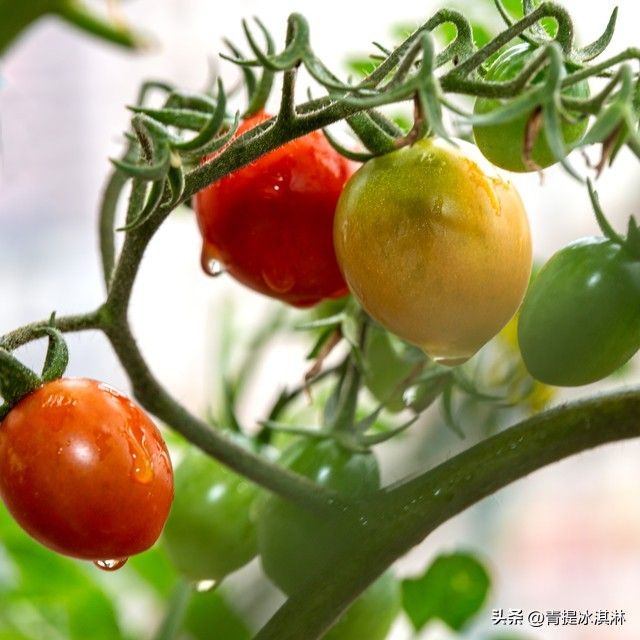
For the cultivation of more dense tomatoes, appropriate removal of some of the substrates would also be required to allow the sun to penetrate the leaves smoothly, irradiate each of the flowers while ensuring a smooth flow of internal air. After a reasonable cut-off, nutrients are no longer scattered and wasted, all of them are concentrated on strong branches and flowers, flowers are more fully developed and the rate of fruits naturally increases steadily, reducing the incidence of flowers from their root causes。
And the third thing is, temperature control, high temperature damage, and proper pollination
The high sensitivity of tomatoes to temperature, high temperatures or low temperatures can directly affect pollinating activity, resulting in the failure of pollination and, in turn, the emergence of a large number of flowering fruit, which is easily overlooked by a wide range of friends。
In the spring and summer shifts, the weather is volatile, early and late, with high temperatures rising rapidly during the day and midday, often at temperatures of more than 30 degrees, and at night, the temperature drops sharply, with excessive fluctuations, and is a major invisible killer of tomatoes falling。
First of all, high temperature hazards: when ambient temperatures continue to exceed 32 degrees celsius in the daytime, internal pollen in tomato flowers quickly loses activity, pollen energy is significantly reduced, the pollination process is not normally completed, and even if the flowers are open and flourishing, they will not be able to bear fruit, and will fall naturally in just a couple of days. It also burns flowers and petals and increases the incidence of falling flowers。
Turning to cryogenic effects: if the temperature is below 15°c at night, tomato strains are less biologically active, flowers are slower to develop, buds are less developed, female children are less mature, they are equally unable to pollinate and small flowers are lost。
In order to keep the flowers well-settled, it is important that the temperature of the flowers be kept in place. In the case of tomatoes grown in open-air gardens, a sustained high-temperature and high-light weather allows for proper use of low-yielding crops for minor shades, avoiding the strongest direct-on-the-morning and reducing local temperature in the field; the balcony basin plants tomatoes, which are temporarily moved to a light vent during high-temperature periods to avoid the tan。
At the time of low night temperatures, open-air cultivation can simply build a simple condensation barrier, the pelvis is moved in time to the warmth of the wind, and the growth ambient temperature is kept as close as possible to 18°c to 28°c, which is the most suitable temperature range for tomato pollination sitting. Temperatures are suitable for stabilization, pollen activity is sufficient, pollination is successfully completed and flowers are naturally stable and not easily dropped。
In addition to this, it is essential to ensure sufficient light during the flowering season, with tomatoes as a strong and popular crop, and direct light for more than six hours per day during the flowering season, which can boost the strength of the plant, promote the robust growth of the flower and further increase the success rate of the sitting fruit。
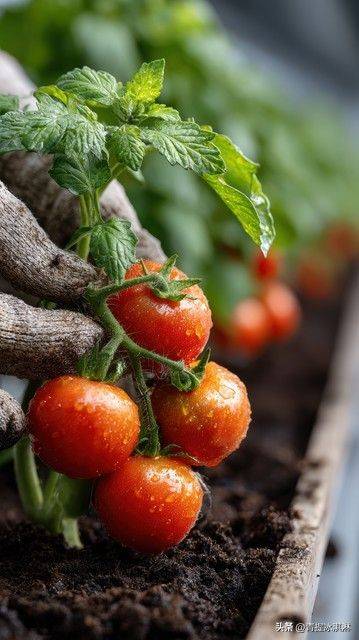
Fourth thing: assisted pollination + rational grafting, leaving behind weakness and reducing the burden of growing nutrients
In many cases, the abundance of tomatoes is such that they can be pollinated only by natural wind and insects that it is difficult to fully pollinate, especially in the case of tomatoes grown in closed balconies, poor ventilation, the lack of pollination insects such as bees and butterflies, the low success rate of natural pollination, the large number of flowers that cannot be pollinated and then fall, which is the main reason for the high incidence of domestic tomato cultivation。
Artificially assisted pollination is the simplest and most efficient method, operating without difficulty and easy for everyone to learn. The best pollination time for tomatoes is between 8 and 11 a. M. In the middle of the sun, during which time the air is dry, pollinating is the most active and pollination success is highest。
The simplest method of pollination is to shake the tomato main and the result branch so that, by vibration, the pollen falls naturally and falls above the female column; it is also possible to pollinate the pollen with a clean tampon, soft brush, and gently extract the internal pollen of the flower, which is evenly painted at the female's head, and the pollination is done manually with precision. Auxiliary pollination is carried out every two to three days and sustained, with a marked decrease in the incidence of falling flowers and steady sitting of the young。
When pollination is completed and the fruit is stabilized, it is immediately followed by a flowering exercise, and it is important not to waste more flowers. A large number of cabarets have seen a bouquet of flowers and cannot afford to remove a single flower without knowing that the nutrients of a tomato plant are limited, that there are too many flowers left in one-off, that the nutrients are heavily dispersed, that all flowers are not adequately nourished, that if they succeed, they will be small and deformed, and that they will be severely overstretched, leading to early failure。
The correct method of graft is to leave behind the weakness, to remove the developmental malformations, the weak, the weak, the weak, the late and the weak, and to keep the tall and well-developed flowers. Each of the branches of the outcome has a reasonable presence of flowers according to the size of the branch, a proper number of large branches, few small and weak branches, and a reduction in the unnecessary consumption of nutrients。
When the fruit is successfully sequestered, the deformity, the insects, the weak and the indigence must be eliminated in a timely manner, and the whole nutrients must be concentrated on healthy young fruit expansion. Rational oozes seem to have reduced the number of flowers, and the quality of the flowers is preserved, not only by significantly reducing the probability of falling flowers, but also by allowing the remaining tomatoes to grow larger, to be corrected, to taste sweeter, and to produce more generally later。
Taking all four of these events to the top, strictly controlling flower fattening, tanning in a timely manner, regulating the right temperature for growth, and pollinating the flowering, and caring for all aspects of tomato flowering, will make it possible to put an end to all the problems of falling and falling from the trees, to keep each and every flower in place, and to keep the flowers in their seats, and to keep the young fruit in their branches。
It is a pity that many of the cabarets are very dedicated to the management of their pre-plant tomatoes, except at the critical node of flowering fruit, which has eventually been abandoned and has resulted in a large drop in production. In fact, the management of the tomato flower period is not complex, there is no sophisticated technology, and it is only necessary to manage the details, to change the wrong conservation habits, and to do the four basic managements on the ground so that the fruit can be easily stabilized。
Since the management of their tomatoes in this way, there have been no large areas of flowering fruit, and the number of flowering fruitings has risen dramatically, with a string of roundly full tomatoes full of twigs, strong and steady, evenly coloured, and thick and sweet fruit. When the first tomatoes matured, the plant was still strong, and it continued to produce new flowers, with the result that the harvest period continued until late autumn, with the family eating fresh tomatoes for four seasons a year。
In the spring and summer, which are the critical peaks for the flowering of tomatoes, whether in rural gardens where large areas are grown or in the balconies of the balcony, it is important that the conservation approach be adjusted quickly and put in place on a case-by-case basis against these four management priorities, that the wrong conservation approach be corrected in a timely manner and that every flower of the flower season be carefully guarded。
As long as the roots of the season are in place, the fruit sits firmly, the conservation will be extra-heavy at a later stage, the fats will follow up, the leaves will be properly managed, the tomatoes will expand rapidly, and the harvest will lighten up。
Old farmers who grow tomatoes for many years often say that tomatoes are good, depending on the time frame. Stable harvests after autumn are enough to see how important it is to manage them。
Friends who like to grow tomatoes, see if they're already in the flowering season. If the branches are full of flowers, don't let them run, let's hurry up and do the four key things. Keep the flowers and the fruits in order. This year, we'll be able to grow high-quality tomatoes full of branches and fruit
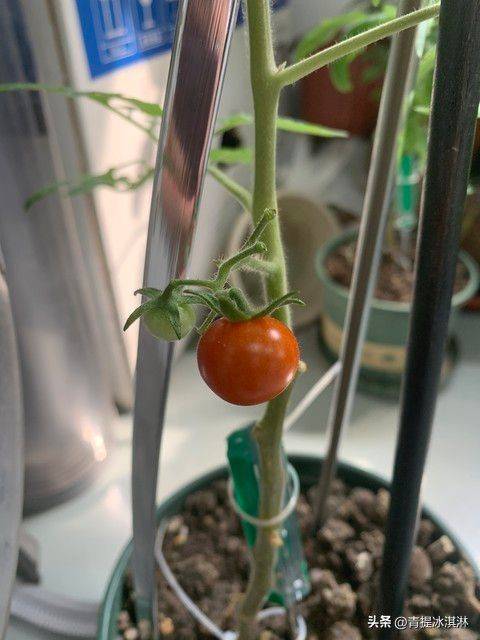
In the process of planting tomatoes, you also encounter a variety of planting difficulties, such as falling fruit, rigid malformations, and only flowering, and can share their experiences with one another in the comment area, learn practical planting techniques and easily grow high-yielding tomatoes。



