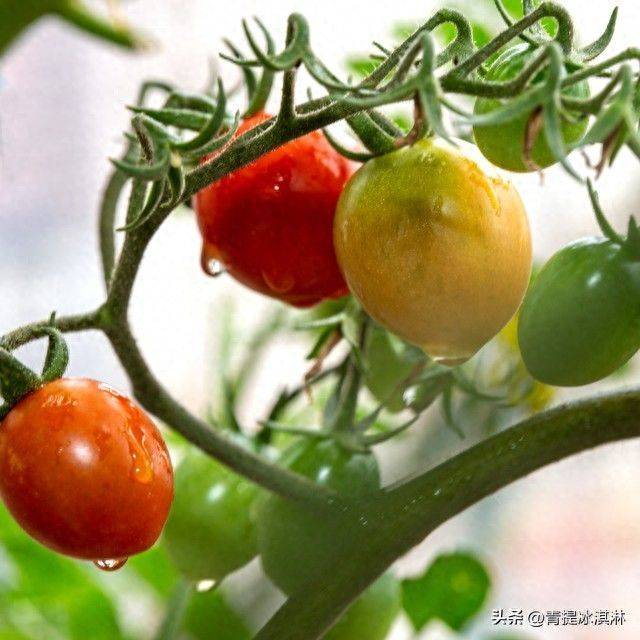
Every spring and summer, many friends who like home-grown vegetables grow in gardens, balconies and gardens, including tomatoes, eggplants and peppers, which are the most frequently grown vegetables in their households. The three vegetables are in the form of eggplant crops, which are very close to each other. They are hot and sun-resistant, fast-growing and very practical. They are made from daily cooking, red burning, cooling and cooking. They are grown with their own hands. They are non-pesty-free, full of water and fresh taste, and they eat with special comfort。
Many people grow these three types of vegetables, all of which share one problem: in the early years, the saplings were strong, the leaves were thick, the flowers were blooming early and the first fruits were successfully produced, but once the first fruits matured, the plant slowly deteriorated. Either the leaves grow yellow, and the flowers grow fruit, and the gardens fall early, or the flowers grow small and the fruit fall short, the fruit grows thin and deformed, and the pests continue, and the entire growth cycle ends in just a month or two, with only one season and a waste of good growth time。
Seeing tomatoes, eggplants, peppers planted in others' homes from the beginning of the summer, they continue to harvest, and the heat and excitement continue into the late autumn, and they continue to harvest at temperatures that are so high that they can't eat, and many of them are envious in their hearts。
In fact, the three types of vegetables, tomatoes, eggplants and peppers, all of which have a strong capacity for continuous results themselves, do not only produce one season of fruit. With day-to-day management, maintenance methods are applied in a balanced manner, and several core management points are made, light and light, the plant will be able to grow, flowering and fruiting, and the flowering results will continue from the beginning of the summer until the fall of autumn, and the harvest cycle will be prolonged and overall production will be significantly increased。
I've been growing these three regular vegetables at home for years, and i've accumulated a great deal of experience in field conservation, and i'm aware of the most easily pedestaled faults in the process, as well as of the common conservation techniques of the three herbal vegetables. Today, we have to work on the whole set of management methods for tomatoes, eggplants, peppers to grow and grow in a continuous fashion until the autumn, from seeding seasons, water fertilizer control, twigs, flower berries, pest and pest prevention to post-spill conservation. Each detail is clear, and new hands can easily achieve multiple harvests。
First of all, we have a brief understanding of the common features of these three vegetables: tomatoes, eggplants, peppers, which are also in the form of tomato-homing, hot, unholy, humid environments, where the temperature is right, nutrients are sufficient and ventilation is good enough to divide and produce new fruit. They grow by growing seedlings, then flowering, then producing results, and the first produce consumes the highest nutrients. If they survive the first outcome periods and are maintained in a timely manner, they can re-emerge new branches, flowers and fresh fruits, which are the root cause of the results that can last until the autumn。
Many people grow bad, stop early, and simply pre-maintenance in the form of pre-conservation over-stretching, which is followed by mismanagement, failure to keep up with nutrients, disruptions and poor ventilation, leading to early ageing and deterioration of the plant, which naturally does not last. If the outcome period is to be extended, it will be necessary to avoid all kinds of planting errors and to acquire the correct means of conservation。
I. Selection of a pair of planting sites with sufficient light as a basis for sustained results
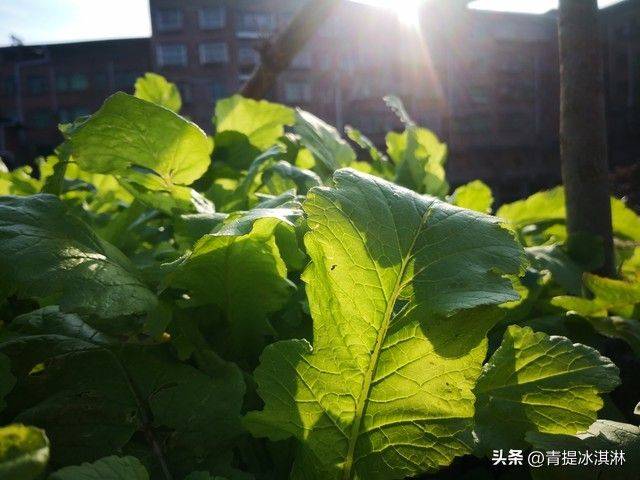
Whether it is a plant, or if it is a plant that grows tomatoes, eggplants and peppers, the first condition for long-term flowering is to ensure sufficient light, which cannot be ignored。
These three types of vegetables are typical full-day crops that love the sun very much, and the more the sun is projected for six to eight hours each day, the greater the light, the greater the cooperation of the plant, the more the nutrients accumulated, the quantity and quality of the buds, the amount of flowers to bloom, the stability of the seating rate, the high rate of fruit expansion, and the better the taste and taste of the fruit。
If planted under the shade, under the back of the house, and in a severe corner, the light is severely inadequate, the plant is grown in the form of leaves that are long, thin and long. Not only are flowers scarce, but they are also prone to flowering, and even the fruits are small, coloury and tasteless, and chronic light deprivation can lead to the growth of a growing plant that is long and slow and does not produce sustainable results。
Home-grown plants must be fully planted or planted in the courtyards to the sun, the south to the balcony and the roof of the building, with sufficient light throughout, fixed positions not to move frequently, and plants adapted to a stable light environment, laying a solid foundation for lasting flowering results. At the same time, there is a need to ensure that areas under cultivation are well ventilated and air flows can be effective in reducing environmental moisture levels, reducing the incidence of disease and allowing plants to grow robust throughout the year。
Ii. Equipment of water regular regulations, dry and wedding to pretty enjoy shit
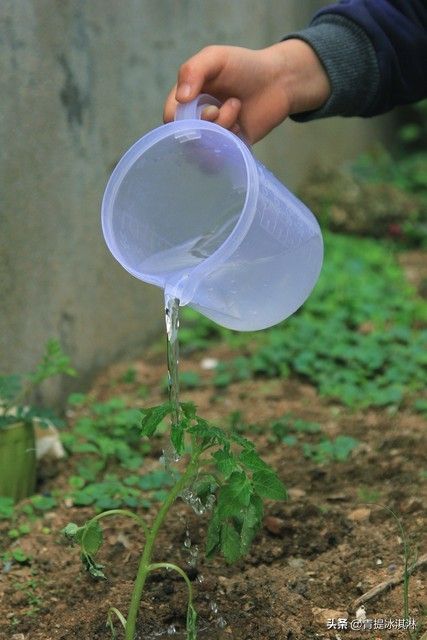
Watering appears to be simple, but it is the key to determining the length of eggplant vegetables, the majority of which suffer from the early decline of the plant. Tomatoes, eggplants and peppers all love wet soil, but they are all extremely afraid of the roots, which, once immersed in water for long periods of time, result in decay and oxygen deficiency, which directly leads to yellowing of leaves, falling fruit and early ageing of plants。
Day-to-day water irrigation is strictly based on the principles of damp, dry, dry and irrigated. Once the surface of the soil is dry and white, the water is once again watered up until the water permeates the bottom of the basin and soaks the soil。
During the growth phase of the seedlings, it is sufficient to keep the soil micro-humid, without heavy water, and proper management of the water can contribute to the deep downing of the roots, allowing them to grow well and strong, and to grow more resilient and less susceptible to premature decay。
Entering the flowering season, growing the sheaths in large quantities and increasing water consumption, the water can be duly increased, the soil warmed and the water required to expand the fruit。
When the first harvests are completed and the second flowering phase is completed, the water remains steady, dry and wet, frequent droughts and heavy water, which can easily result in tomatoes, eggplant malformations and pepper drops。
Enter the hot weather in the middle of the summer and try to water it in the morning or in the evening, avoiding the hot sun and preventing the temperature from exceeding the stimuli. Rainy weather stops watering in a timely manner, open-air vegetables fill the drains in a timely manner, quickly drain excess water and suffocate the roots. Only the roots are healthy and strong and the sources of energy are growing to produce nutrients and produce long-lasting flowers。
Iii. Specific strengthening, equipment and equipment to enjoy message
In order for the vegetables to be able to do so, the fertilizer supply must not be interrupted. Many of the cabbies only apply bottom fertilizer at the beginning of the planting process, the subsequent flowering results are not followed up, the first harvests are complete, the soil nutrients are completely depleted, the plant is not nourished, the growth results are naturally halted and they die early。
The cultivation of tomatoes, eggplants and peppers is gradual, with rational, phased use of fertilizers, sufficient, timely, nutritionally balanced and no single fertilizer。
First, before planting, the bottom fertilizer. When planting seedlings, slow decompositions such as fertilizers, fermentation of organic fertilizers and grass-wood ash are incorporated into the soil earlier. Sufficient bottom fattening can guarantee the smooth growth of pre-plant seedlings and their strength and strength。
Second, less nitrogen fertilizer for long-leaved leaves. Young children move into rapid growth, with a small amount of light nitrogen fertilizing, promoting the growth of branches, keeping in mind that nitrogen fertilization is not excessive, and that too much nitrogen fertilization only results in long leaves, long leaves and no flowers, delays in thawing and affects subsequent results。
Thirdly, the guerilla bouquet is replaced by potassium phosphorus fat. When plants grow flowers and are about to bloom, the use of nitrogen is reduced immediately, with a focus on increased phosphorus fattening. The phosphorus elements contribute to thawing, increase the number of flowers and increase pollination success rates, and effectively reduce the fall. The potassium elements are able to sow the fruit, so that the tubing is strong, the strong and the strong fruit grows fast, and the solid fruit prevents the fallout. Homes can use fermented rice, fruit-coated water, corroded corsets, water diluted and rooted for about 10 days。
Fourthly, the first harvests are followed by the timely filling of the fat. This is the most critical step towards sustained results, which many can easily ignore. When the first collections of tomatoes, eggplants and peppers are finished and the plant is depleted, it is important to replenish the fast-impact balanced nutrients in a timely manner, quickly regenerate the plant and wake up the new sprouts, and only if the plant is rejuvenated will it produce flowers again and start the second round。
Fifthly, mid- and late-term thinning. From summer until early autumn, as long as the plant is still growing, it will be necessary to keep up with a small number of competitions, maintain a sustained supply of nutrients, avoid soil deficit, and keep the plant in a fully nourished state of growth for a long period of time, which will naturally be sustained and prolonged. All-round rejection of fatty and fatty prevent the burning of leaves。
Iv. In a timely fashion, the whole swipe, the plastics, the ventilation, the fresh buds
The ability of tomatoes, eggplants and chili-precedented branches to grow is particularly strong, with the emergence of large numbers of useless branches, internal branches and small and thin branches. If the branches are allowed to grow wildly, the whole layer of leaves is piled up, the interior is insulated and the sun is not permeable, which not only deplete the nutrients of the soil, but also tends to breed pests and pests and to block the growth of flowers, with serious consequences for sustained flowering。
In order to extend the outcome period, it is important to learn to trim and trim it in a timely manner, so that the strain form can be combed。
To begin with, tomatoes are trimmed: to remove the old leaves, yellow leaves and sick leaves from the base of the main stem in time, to erase the useless side buds below the main stem, to retain the strong branches, to comb the over-heavy branches, to make sure that they are radiant, to save the upper branches from the nutrients, to retract the later branches properly and to stimulate the new branches to produce another result。
In addition, eggplant trimmed: in the middle and late stages of the eggplant growing, the long, long, thin, fruitless branches are cut off in a timely manner, the leaves are removed from the bottom, the old, which have already borne fruit, the moderate short cut, the promotion of new and robust branches in the roots and the backbone, the rapid growth of the new branches, the increased capacity to produce flowers, and the easy realization of multiple harvests。
Finally, chili trimming: peppers are the easiest to grow in an incipient manner, clean up in a timely and routine manner the non-existent sprouts at the bottom, comb the overlapping leaves, after the chrysanthemum period has passed, cut the old and weak branches that have already borne fruit in a modest fashion, and radiantly encourage the planting of a large number of new branches, which are growing at a fast pace, and have a strong capacity to sit down and produce fresh peppers。
In sum, the rational cutting is not the best way to cut as hard as possible, but rather the removal of useless branches, the retention of strong branches, the installation of ventilated radial channels, and the concentration of nutrients in the supply of effective branches, which can guarantee the normal growth of the immediate fruits and give rise to new sproutings and lay the foundation for the continuation of the results, which are essential for the extension of the fruit period of the three vegetables。
V. Responsibility, equipment and responsibility to responsibility
A lot of cabbages are very happy to see their plants bloom and sit, so they can't take away any flower or fruit, and feel that the more fruit they leave, the higher the output, the worse it is。
The nutrients of tomatoes, eggplants and peppers are all limited, and if too many fruit plants are retained in one-time, the nutrients will be spread too thinly, and all fruits will not be adequately nourished. Not only will the fruit be small and different, but it will also result in a severe overdraft of the growth of the whole plant, leading to a rapid ageing of the plant and a subsequent inability to produce flowers again, directly reducing the overall outcome cycle。
The correct approach is to swab flowers in a timely manner, to remove the weak, deformed flowers from stunting at an early stage, and to remove deformations, insects, and small, weak scavengers in a timely manner, with reasonable consequences based on the overall strength of the plant。
A strong and strong plant can produce a good amount of fruit, and a strong and weak plant can reduce the number of fruits left, concentrating on the whole of nutrients to feed high-quality fruit. After a smooth expansion of the harvest, the next harvest will be carried out in a gradual manner so that the plant will not be overburdened in one-time fashion and will remain stable and healthy until autumn。
Vi. Early prevention of pests and pests and protection of long-term healthy growth of plants
During the summer, high temperatures and humid conditions were peaks of disease and infestation, tomatoes were prone to acne, aphids, white powder, early disease; eggplants were extremely prone to red spiders, steroids, brown-skinned diseases; peppers were the most vulnerable to anthrax, foliage and tea mites。
Even basic survival is a challenge when a large plant is infected with pests, leaves are damaged, branches are decaying and decaying, and the growth is rapidly declining, not to say sustained. In order for vegetables to succeed from summer to autumn, pest and disease prevention must be done ahead of schedule and not wait for large-scale outbreaks。
Daily maintenance is well ventilated, tribal weeds on the floor are cleared in a timely manner to reduce the breeding environment for insects and eggs; long distances from heavy-planted plots to avoid infestation of the soil with its own disease; more frequent observation of the growth of the leaves, detection of a small number of pests, minor diseases, first-time manual treatment, preference for natural and harmless methods of deworming, such as grasswood ash, pepper water, garlic, etc., in the home, and the least use of strong pesticides, which protect the healthy growth of the plant while ensuring the green health of the fruit and more comfort to the family. It is only by protecting the plant from disease that it will be able to sustain its strength and flourish。
Vii. Scientific scientific reform, responsibility and sustainable continues
After many of the first fruit harvests were taken, they were left unmanageable, growing freely and slowly declining, a period of rejuvenated conservation and extended fruit periods。
After the harvest of the fruit, the first time it was done was to clean up the flowers, the leaves and the dried branches of the plant, complete a thorough trimming, immediately followed by the timely recharge of nutrients, and quickly compensate for plant consumption. At the same time, appropriate defusing of surface soils, increasing soil aerobics and re-energizing the roots。
After a round of carefully rejuvenated conservations, the plant, which had been reduced in length, would be reborn, with the rapid emergence of a large number of fresh buds and branches, which would soon produce new flowers, with the successful completion of the second flowering and second result. In such a way, once the harvest is completed, it will be maintained in a timely fashion and, in turn, will allow tomatoes, eggplants and peppers to remain active, with the fruit period growing steadily from the early summer to the late autumn festival。
Having access to the seven above-mentioned core conservation points, putting in place all the light, water, fertilizer, cut, fruit, disease prevention and post-medium recovery, and completely changing the wrong way in which the past was coarse, fruitless, fruitless and fruitless, you will notice a dramatic change in the tomato, eggplant and pepper grown at home。
Growing leaves are thick and green, staggered and thick, and they do not easily produce yellow and early decay, and the flowers come out after they come out, with stable yields and very few problems of falling fruit, with the fruits being symmetrical, well-corrupted and mature. When the first harvests were completed, the second and third harvests could soon be seen, with fresh vegetables running out of branches, from summer seasons to autumn, when the timing of harvests doubled and overall production increased significantly。
The greatest pleasure in growing these three regular vegetables at home is to eat and pick, to be fresh and easy, and not to go out to buy food more often. The technique of extending the outcome period is more likely to maximize the value of planting, with the planting of seedlings only once, and to sustain the harvest, saving time and effort。
In fact, tomatoes, eggplants, peppers do not have too high a technical threshold, and it is not the pre-planting that is difficult, but rather the long-term and patient precision management. The majority of poor and early evictions ignore mid-term and end-of-life conservation, focus only on the first results and neglect plant recovery and new growth。
It is the golden season of conservation of eggplant vegetables and flower-promoting fruit, and friends who have grown tomatoes, eggplants and peppers in their homes, needing time to adapt their conservation methods against these practical methods, to do the whole collection of fatty, oozing and disease-resistant work in a timely manner, to take advantage of the best management opportunities, to achieve many seasons of harvest this year, and to keep their vegetable gardens full of guacamole until autumn。
In the process of planting these three types of vegetables, you can share comments in the comment area, share practical planting experiences, and grow home-grown, long-lived vegetables easily。