


Recently, young friends from all over the country had arrived at the late start of the school season and were happy to return to their long-defended bright classrooms. And in nature, there's a little difference in the beginning of the school season: slim beds are table and chair benches, deserts are classrooms and learning is the rule of survival。
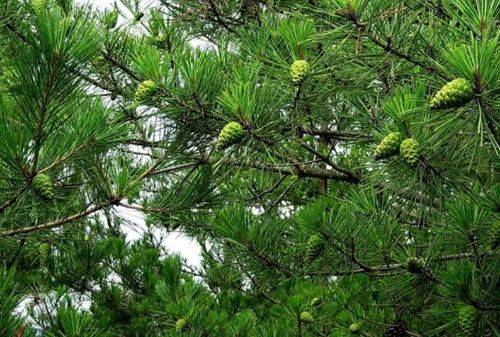
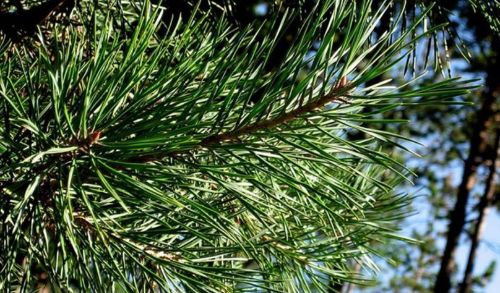
On the northern side of the country, along the western corridor of the river, there is a lax forest of sorghum. The home of the scorpion, which is home to both the booming pine forest area and the haronbel steppe, is a geographical variant of europe's red pine that is bright, cold, drought-resistant, barren, resistant to wind and sand, resistant to resistance, and a precious northern green tree. When it arrived at the northern edge, it was quickly adapted to the environment, with changes in the height of the sorghum and the level of pine depression, with the forest being detached and scavenging. The sand sorghum pine can grow up to 50-70 cm per year and is resistant to temperatures of -40°c ~ 50°c. It is an excellent green tree species in arid areas。
Although artificial safrole pine forests are well developed, natural renewal of tree species is difficult. The lack of rainfall and the low water content of the soil, combined with sand cover, have deprived many seeds of the chance of budding, often in the harsh first year of cold, even if fortunately burgeoning。
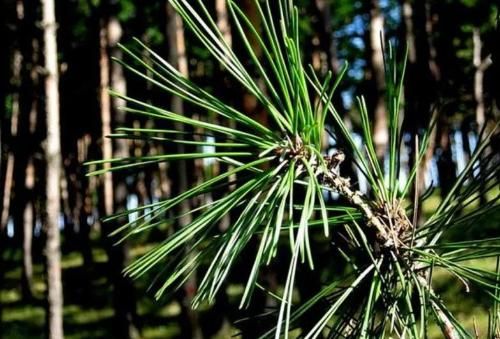
In order to provide the best conditions for the child's growth, the scorpion pine family decided to open a scorpion kindergarten and scorpion pine primary school, to wait for seeds to sow, to grow up, to spend their youth well and to become involved in reforestation。
Scorpion nursery schools are flat, with a backwinding to the sun, and are well suited for seed buds and growth, and forest workers in the nursery are fully disinfected with iron sulphate。
Prior to the start of school, as is customary, medical examinations and disinfection are carried out, with seeds taking a “pharmaceutical bath”, followed by a “cold bath” — with kmno4 solution, followed by a cold water bath for 8-12 hours, in order to promote seed germinates, strong body builders and reduce the incidence of seedlings。
Newly enrolled seeds soon fell in love with bright, warm and comfortable kindergartens, which were two worlds with the sandy pine forest. The seedlings live in fully fledged seedbeds, which are 1. 0 m wide and 5-10 m long, and, like the cradle, the fertile sandy soil provides them with abundant nutrition. Then the seeds covered with 0. 75-125 cm thin blankets, slept well and grew up very soon。
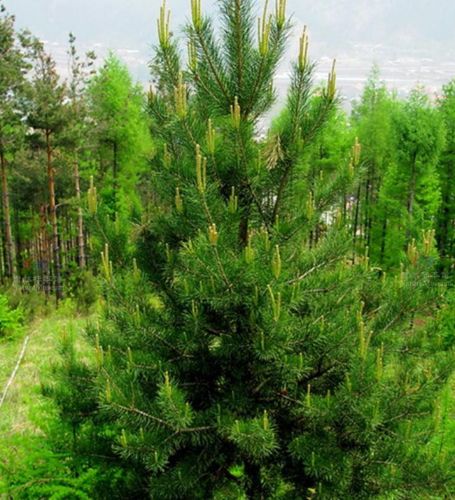
Despite the need for many pine seedlings in the future, the “absorption rate” at sorbonne kindergarten has remained at 15g/m2. Because of the concentration of pine seedlings, plant plants are prone to transmissible diseases。
Under the elaborate care of foresters, small seedlings thrived through sand burial and winter irrigation, and then defeated the two insects, the ash powdered gold turtle and the small ant, and fought the “crunch” of rabbits and rats, keeping the attrition rate below 5 per cent。
In the spring and autumn, the seedlings rose to the class, and in the short span of five to six years, while the weather was fast growing, they became a sapling of a straight and strong tree, which allowed them to attend the primary school of sakura pine。
Scorpion pines primary schools are located in deep trenches or caves, with low terrain, which can reduce wind erosion while affecting light angles and intensity, significantly reducing water loss and ensuring the smooth growth of small seedlings。
Scorpion pine has a very long life span, from 7 to 28 years of age, and its chest is growing year by year. Seven-year-old sorghum pines with maximum annual growth of 74. 3 cm and 90. 2 cm in higher water conditions. At the same age as the other one, the maximum annual growth rate is 57. 2 cm. In comparison to other local celiac species, safrole pines are the most growing and fastest growing in their infancy。
Despite the fact that the two seasons of winter and spring have been dry for the seedlings, there are good irrigated conditions and the overall problem is small。
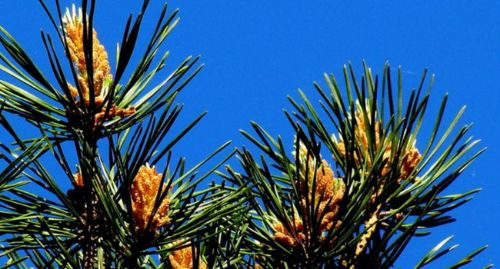
The knowledge to be learned in primary schools is relatively simple, mainly in the early morning hours, when co2 concentrations are relatively high, and in light cooperation at low light intensity. With less carbon dioxide in the afternoon, the speed of cooperation alone will be reduced. So they have to open space, like their parents' parents, in the form of luminous “structures”, which cannot be too dense or too thin to ensure that everyone has enough carbon dioxide for light co-operation。
At the same time, they have to learn to capture the temperature, humidity and light of the surrounding environment accurately and evaporate reasonably as the environment changes to open or close a portion of the air hole. As age increases, the peak of the vapour intensity moves forward. The high efficiency of water use of safrost has also led to its emergence in arid sandy plants, making it the most drought-resistant and growing of the five endemic green species (side tarp, oil pine, pine pine, green haze, jab)。
However, in the case of sorghum, in addition to regular learning, special skills must be strengthened by focusing on remedial training, such as drought training, from kindergarten to primary school。
Dryland areas, for sorghum pines, require more water to withstand drought. In the late autumn to the second spring, the cold can easily accelerate the evaporation of the trees, resulting in dry freezing and the fall of many sorghum pine seedlings before dawn。
Scorpion pines under 2 years of age are weak, cold and dry in winter, are their hellish mode and require intensive training in winter camps, preferably under greenhouse conditions, while scorpion pines between 3 and 4 years of age have some resistance to drought and do not need to be a small flower in a greenhouse, as long as forestry workers are ordered to strengthen “remedial” at special festivals. It is possible, for example, to fill the winter water before the soil freezes, and between march and april, when the temperature changes are significant, so as to reduce the impact of seasonal temperature changes on trees; to reach the age of five, the sorghum pine will undergo a large transformation, with a certain resistance to drought, which will not be significantly affected by the normal dry weather; and to be above 8 years of age, only close observation of the sorghum pine larvae in extreme dry weather and timely artificial irrigation will be necessary, if necessary, to increase photocooperative intensity, reduce soil water evaporation rates, and mitigate the effects of drought coercion on seedlings。
Gradually, the size of the primary school of thorium pine is growing, and so long as the light and temperature are suitable, the thorium pine can survive on the flat sands supplied by surface water. North china, the gillin region and parts of liaoning all show signs of sorghum pine everywhere, and its optimal seed area is gradually expanding as the sorghum environment adapts。
With a high level of ambition, seng zeng participated in the world's high-profile project “the three north protector forest” and worked with parents and aunts to build the country's borders. They grow freely, sow green hope in the desolation, take advantage of the good years of the wind and grow their branches, take root in this land, and strive to nurture the next generation, raise the children and thrive and continue to build the homeland。



