In our quest for nature, the small house has become the aspiration of a growing number of people. It is not only a manifestation of the fields, but also of the soul. For chinese, it is the beginning of a spiritual home to own a small home. Among them, the planting of sleeping lotus has become a target for many flower friends. Many years of experience in growing a sleeping lotus led me from the first days of full-time death to the good times that have been given me every year. Today, i will share the skills accumulated over the years and look forward to helping with your garden life。
Sleeping lotus farming art and techniques
Location and light
The process of planting sleeping lichen is primarily about light. Sleeping lotus is a radiant plant that needs sufficient sunlight to grow healthy. Assessing whether your little yard has enough sunlight is the first step in launching a sleeping lotus trip. As a general rule, sleeping lotus requires direct sunlight for at least six hours a day. A well-lighted area has been prepared to ensure a strong light and a solid foundation for cultivation。
2. Selection of suitable flower basins
When selecting a flower basin, preference should be given to the opening of an open pot. The flower basins designed for this purpose are effective in increasing the growth of the sleeping lotus, and the wider the basins, the larger the flowers. In terms of depth, the depth of the flower basin affects the flower spacing: deep-baskets may have longer, but relatively large flowers; shallow basins can reduce the flower spacing but small。
Soil selection
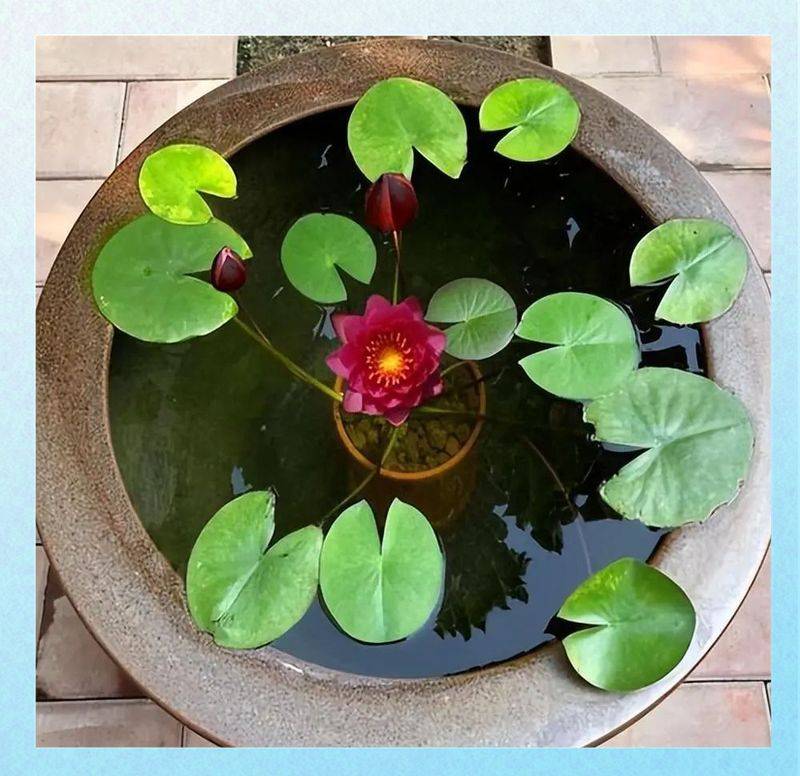
Sleeping lotus is demanding soil. The selection of highly adhesive soils, such as clay, for cultivation in bright mountains, will provide a suitable environment for the growth of sleeping lotus. Some long-acting or root fertilizers are placed at the bottom of the basin to avoid excessive application leading to decay of the roots. The soil is filled with 1/4 to 1/3 of the flower basin and crushed。
4. Buried into the buds
When it enters the sprouts, make sure the sprouts are up and the depth is controlled. If buried too deep, the interval between flowers increases, and if buried too shallow, the size of the flowers decreases. When it is finished, the flower basin is placed in a well-soiled place, and water is grown to wait for the leaves to grow and the flowers to be opened。
5. Combination cultivation
If there is a intention to plant multiple plumes in the same flower basin, they will need to be planted in close proximity. Excessive spacing can easily lead to the foliage of a strong plant covering vulnerable plants, affecting their light and causing death. At the same time, it would be preferable to grow with the same or homogenous bedline, which is relatively strong and needs to be carefully matched。
6. How to collect and maintain
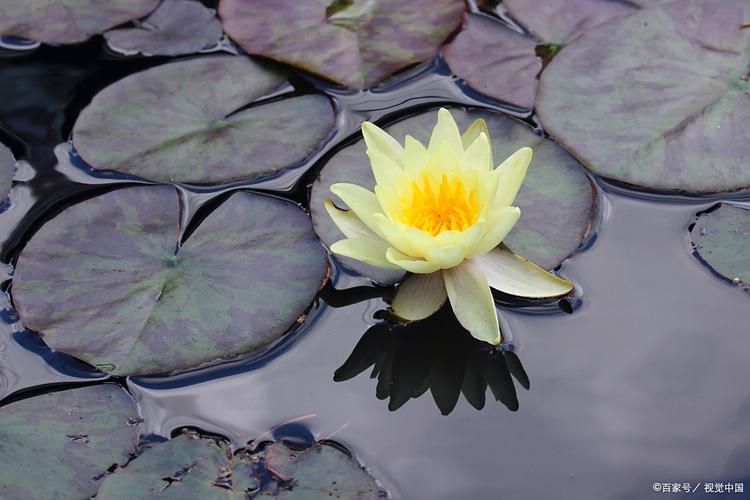
After flowering, if you want to appreciate its beauty, you can cut the flower down and insert it into a vase (except for the urn), which lasts about 3-6 days. On the first day, the flowers were straight and then they bent down. If natural decay is allowed, the period will be longer. In order to keep sleeping lotus alive, it is recommended that long-acting fertilization be applied every one-and-a-half months and, of course, after entering the autumn, that the fertilization be stopped in order not to burden sleeping lotus。
Sleeping and temperature control
As the temperature declined in the autumn and winter, the sleeping lotus entered hibernation. This should minimize intervention and keep sufficient water in the flower basin. There are also differences in the hibernation periods for different varieties, such as the scavenging of perfumes。
8. Transplanting and stratification techniques
Every year, from the beginning of april to mid-september, the sprouts are suitable. Be careful not to hurt the bud. The ideal is to cut off the tubers with the buds and then put them in a place with enough light for their hair to take root. Every two years, the sprouts not only maintain the balance of nutrients but also ensure more flowers. Sharing with friends can also promote healthier farming environments。
Unexpected surprise — non-sexual reproduction
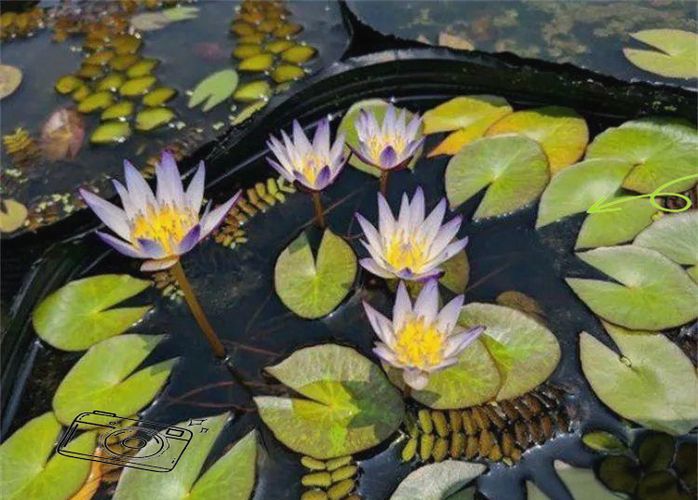
Some varieties of sleeping lily can also reproduce sexually in the middle of leaves. If you see new sprouts in the middle of the leaf, do not rush to deal with it and grow naturally. When the leaves are yellow, the buds are cut down with the handles and placed in a water or flower basin to ensure that they grow in a fully luminous environment and can grow in about two weeks。
10. Easy management
Sleeping lotus, compared to other flowers, is not too well managed and flourishes, even if it occasionally encounters caterpillars or aphids with little impact. In fact, planting a sleeping lotus next to roses can effectively remove aphids and create mutually supportive ecosystems。
At the same time, the flowers of the sleeping lotus are of high value, but also of some food value. When the petals are removed, the fragrance and nutrients of the bubbling tea are abundant, while the varieties of the light-coloured system are usually more attractive; the flowers of the dark petals are slightly bitter, though they are fragrance. In any case, it is worth a try。
# concluding remarks
The trip to sleep on the land is an art of life. By constantly trying and exploring, we can not only reap a plethora of flowers, but also enjoy intimate contact with nature. May every man who seeks to live in a garden have his own small courtyard and enjoy the harmony of his soul and nature。