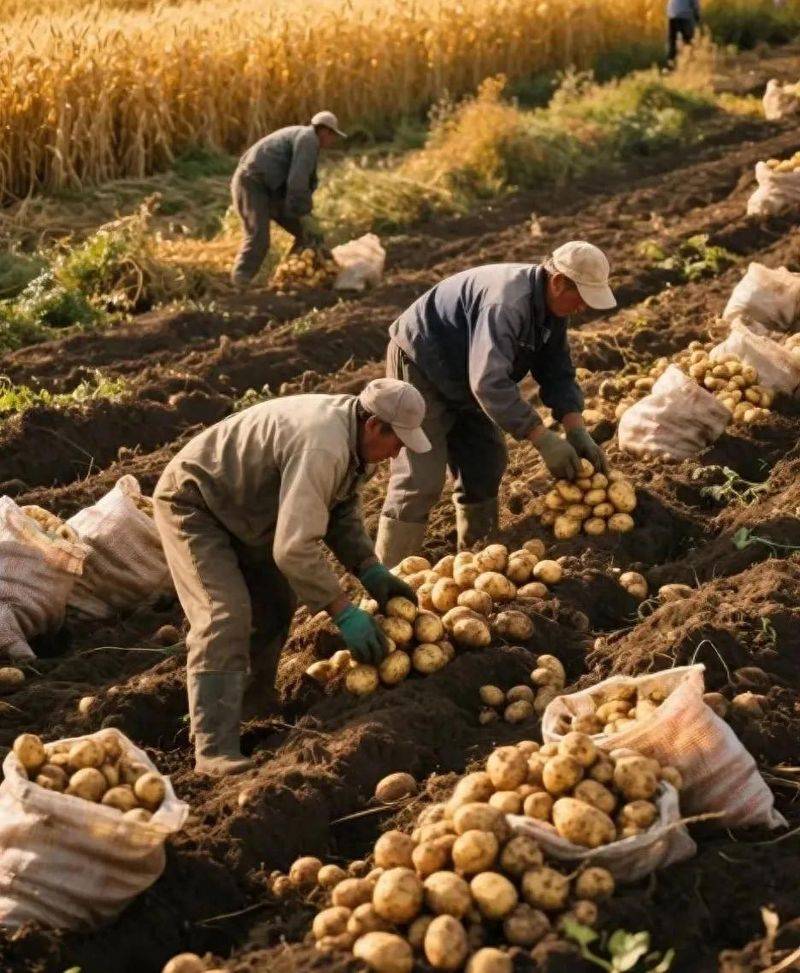
Many farmers are buried deep in the first step of growing potatoes. It's shallow, the potatoes are greener than they can eat; it's deep, it's slow, it's weak and it's small later. Instead of thinking about it, the old rural vegetable farmers have grown potatoes for decades, all on a high-trenched earth-burial technique that makes it easy to produce, so let's put it to the bottom of the line today。
A lot of farmers grow potatoes that are sad: the same kind of potato, the same fertilizer, and others can collect thousands of pounds in an acre, and either grow their own small heads, or grow them in a rare form. The problem is not in the form of fertilizers and varieties, but mostly the depth of the potatoes buried in the ground, which, together with the rise of tungsten and the failure of the soil to reach it, is no longer sustainable. Potatoes, which are underground tubers, are buried in shallow areas that directly affect seedling rates, the quantity of potatoes and the quality of chips. Today, they are taught in one-time terms about the standards of burial, the method of extraction, and the techniques of later earth training。
First of all, remember: the depth of the gold buried in the potatoes, the picture is not blind. Buried
There are no fixed death figures for potato-planting, mainly in terms of seeding, soil and soil quality, bearing in mind that the three zones are not wrong, and that the new farmers will use them directly。
Direct seeding in flat ground: best placed to bury 8-10 cm
If there is little land in the family, if you don't want to get high, if you grow potatoes on the flat floor, if you grow potatoes, it's 8 to 10 centimeters of soil. The soil is too thin, watering and raining in the later stages, the potatoes are easy to light up, quickly green and bitter, and they are thrown away; the soil is too thick, the earth is too hot to warm, the seedlings are too slow, even the seedlings are weak, the disease is poor and the potatoes are too low。
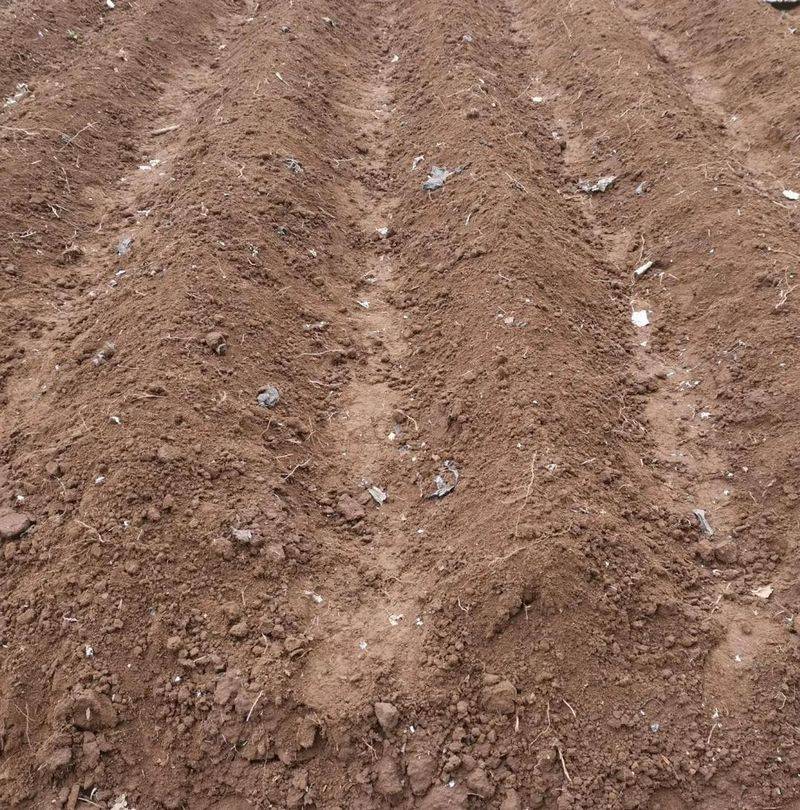
High-strength cultivation (recommended): 6-8 cm buried, later pedestal
The old vegetable is the most noble seeding of potatoes, a pattern that does not need to be buried too deep. High-temperature, high-temperature, high-temperature heat, full-crop potatoes, and late rains are not easy to sow. The key is to make it easy for the later stage, where the potatoes will not be blue at all and the heads will grow even larger。
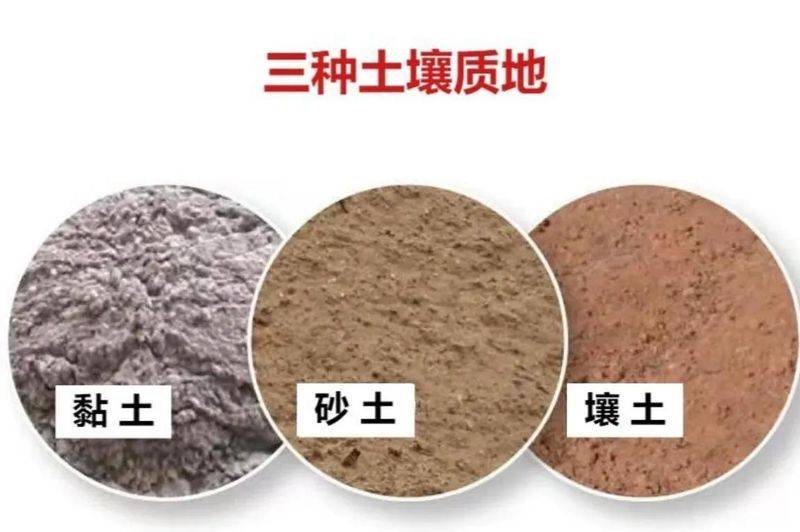
3. Distinction between sand and adhesive land
The sandy land is sorely dry, poorly protected, and the water is dry, so that the seeding takes two centimetres longer than the standard depth to prevent the cultivation of the potato wind from drying; the adhesive land is hard and airy, and the temperature rises slowly, so that the seeding takes two centimetres shallowly, otherwise it is easy to sow。
Two: high-yielding deep ditch
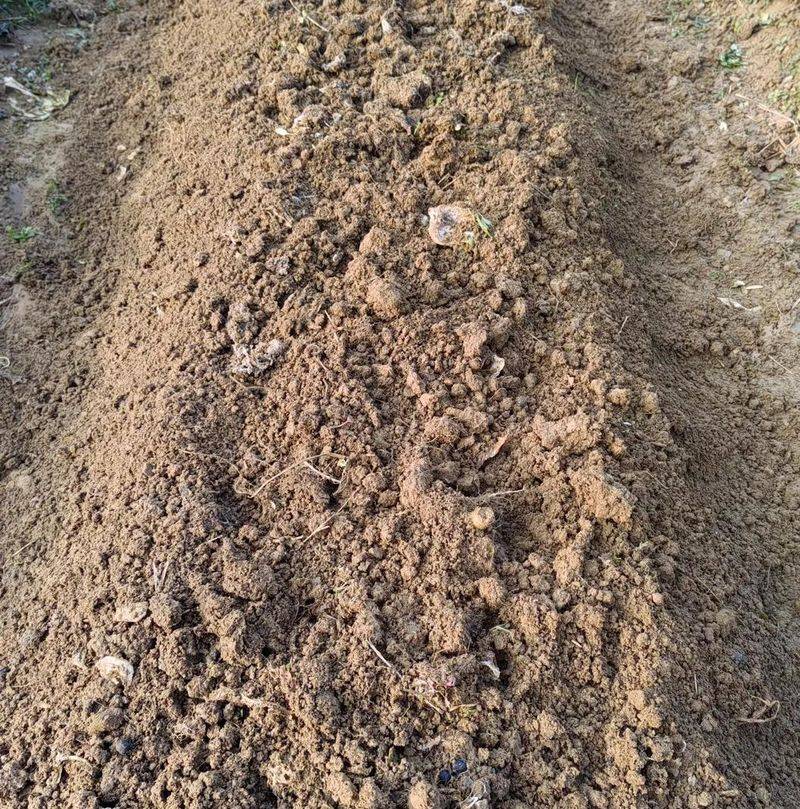
The high production of potatoes, which is twice as high as flat ground, has been the experience of old vegetable farmers for many years. High levels of sodium allow the layer to deflate, the potato tubers to expand without being squeezed and the heads to grow, and the high amounts of sodium drained and the rain does not accumulate water, which can significantly reduce the problem of rotten potatoes and diseases. This is a good idea
It is 25-30 centimetres tall, 40-50 centimetres wide on the bottom, and it is to be flattened, and the ditches are to be dug straight enough to allow for subsequent watering, drainage and cultivation。
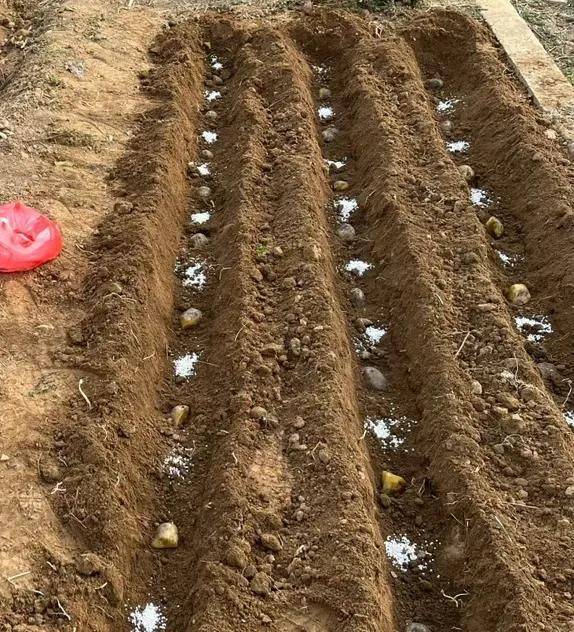
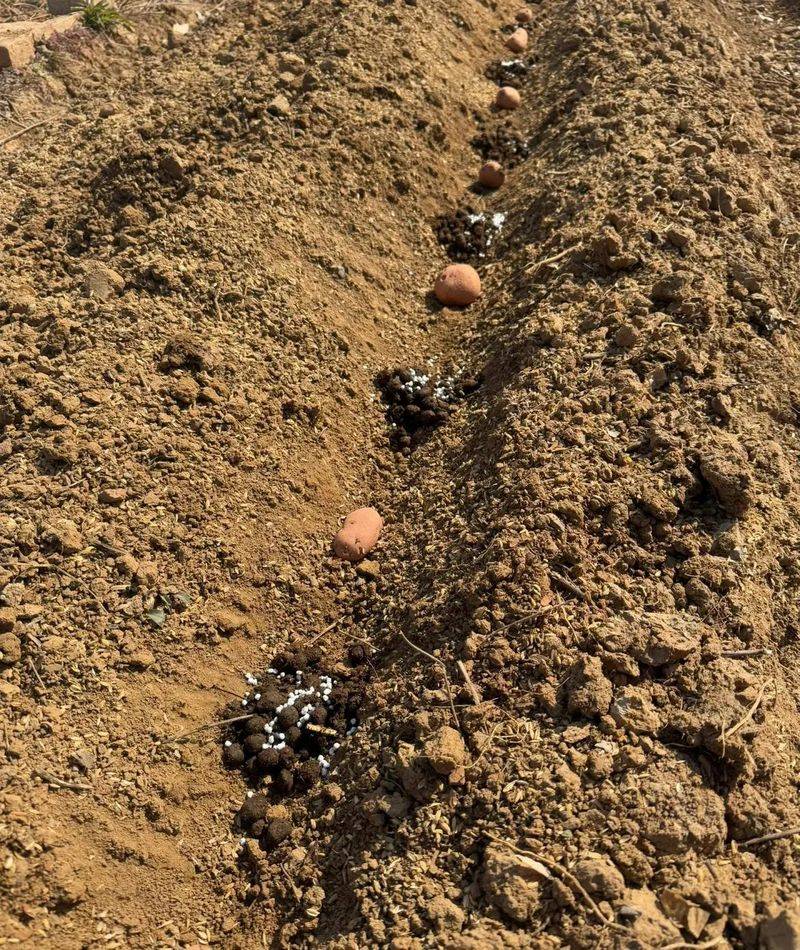
When seeding, a shallow ditch of about 10 centimetres is opened in the middle of which a layer of decomposed farm fat or special compound fat is used for base fatting, a layer of thin ground is put on it, and potatoes are planted to avoid the planting of potatoes directly into the sprouts of fertilizer. Once the potato is planted, the soil is 6-8 centimetres covered and the seed is soaked。
Three, two, the key, the potato head and production
Many farmers grow potatoes only to sow non-painted land, or it is too late and too thin, which is a taboo. Once the potato is bred, it must be prepared twice, and the production must go straight up the stairs。
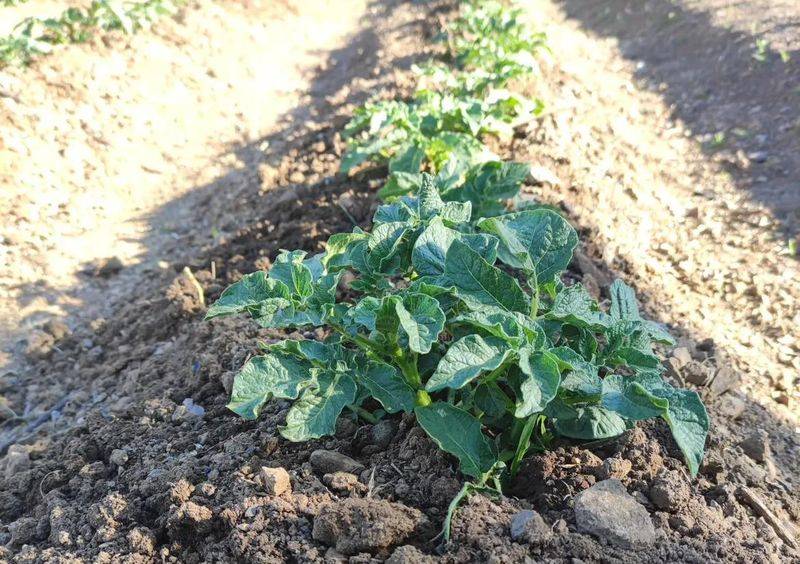
First pedestal: seedlings 10-15 cm high
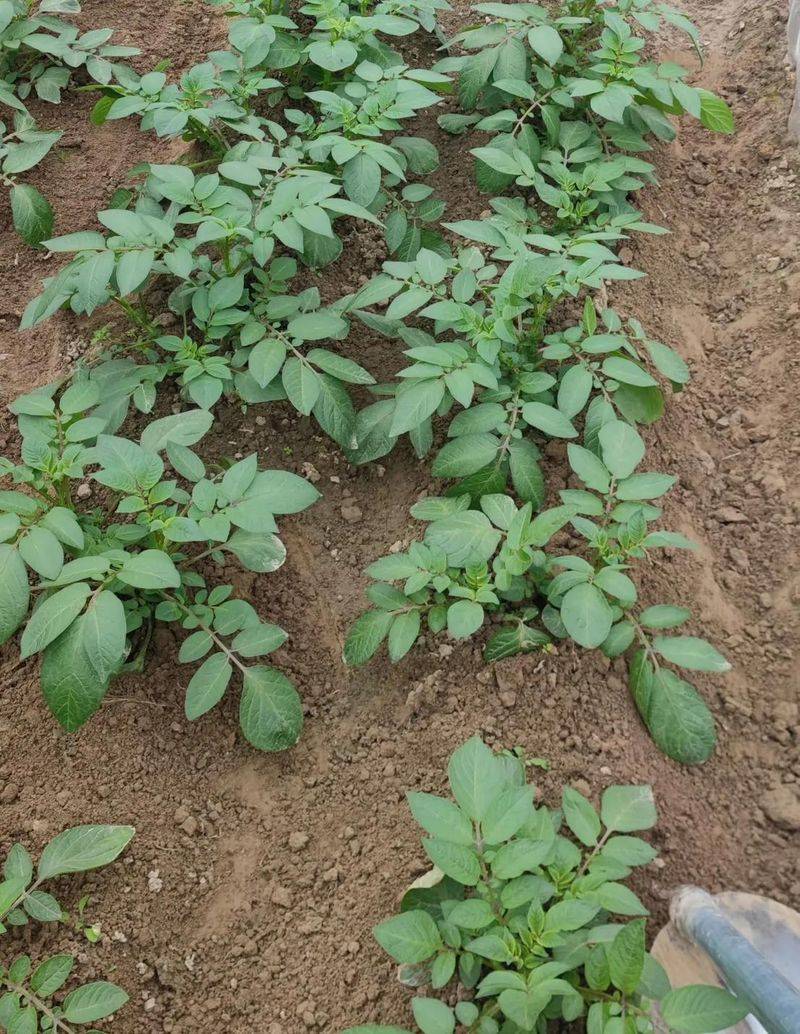
The potato seed grew to 10 to 15 centimetres of high and made its first little earth. This time, instead of being too thick, the soil on both sides of the acupuncture will be bred into the seedlings, covering the place where the potato is grown. The main role is to protect the seedlings, promote the growth of the runners and lay the groundwork for the late potato。
2. Second earthbreeding: the early stages of the present (most critical)
Potatoes are the second golden time of the earth and a key step in determining production when they are freshly flowered. This time, the earth will be replanted, the earth on both sides will be rounded up to the middle, and the height will be increased by about 10 centimetres to ensure that the spud is buried throughout the earth. The soil is in place to effectively prevent potato lumber, to provide space for the tubers to expand, and to produce a smooth, smooth surfaced potato that is good for commodities。
Iv. These buried and planted areas
1. Cultivation is too deep: more than 12 centimetres, slow and weak seedlings, low yields at later stages and a direct drop in production
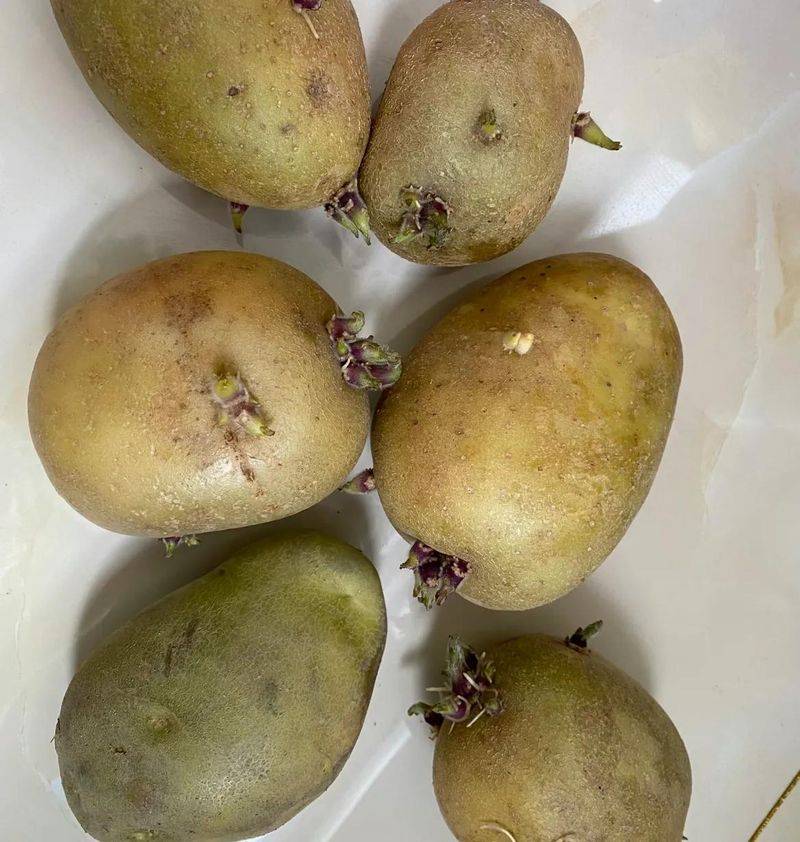
The seeding is too shallow: less than 5 cm, the potatoes are very green and of no quality
3. High soillessness: soil is not grown and potatoes are easily drilled out of the earth and turned green
4. Fertilizers are too close to the seeding of potatoes: they are grown directly without soil and are easily sprouts, resulting in the loss of seedlings。
V. Accompaniment of small techniques, with high yield added to the ground
In addition to the burial and cultivation of soil, two small details are completed and potato production is increased。
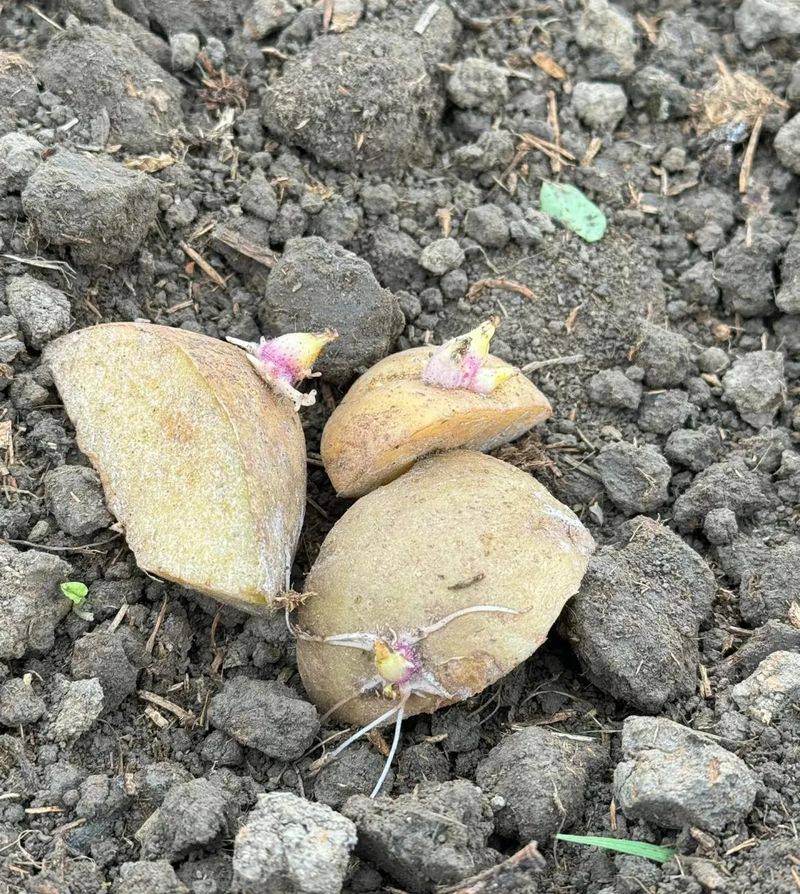
(a) first, the cutting of chips should be regulated: one or two sprouts per piece of potato should be kept, dryed and then sowed, and the seeding should be improved
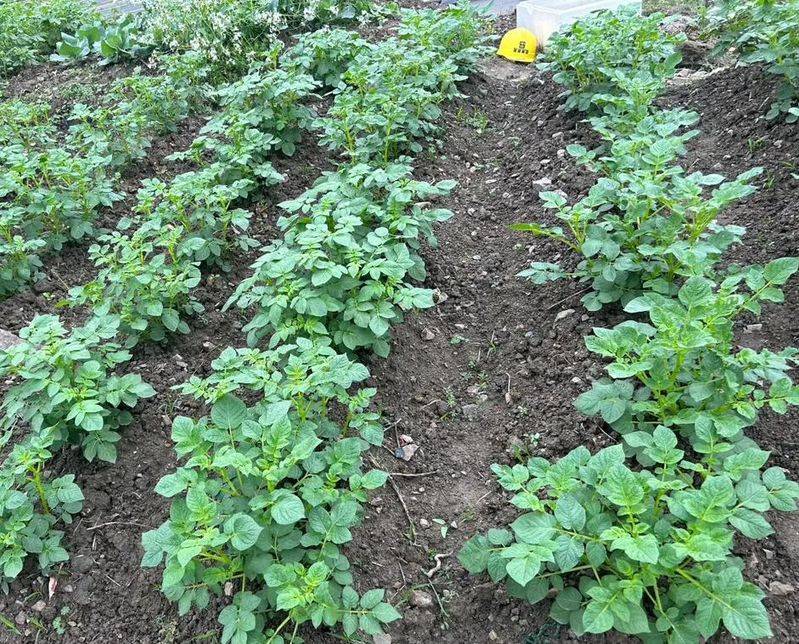
Secondly, the water is dry and wet: a permutation is followed by seeding, water is not frequent before seeding, the soil is humid after seeding, and water shortages during the potato season seriously affect the head。
Growing potatoes is not complicated at all, and the core captures the three points of “deepness, high-level cultivation, two earth-breeding”, in which the old vegetable has been living for decades. Without paying a large price for fertilizer, special effects medicine and the laying of ground and ground, a good potato can be grown with a large and high yield。
This paper, which is intended for the public information and documentation of the three agricultural policies, farming technologies and the general public, does not constitute a guide to entrepreneurship and a commitment to profit。