


Introduction to varieties
At present, the main lemon varieties in my state are ulric lemon ..., lemon and indian lemon。
Ii. Cultivation techniques
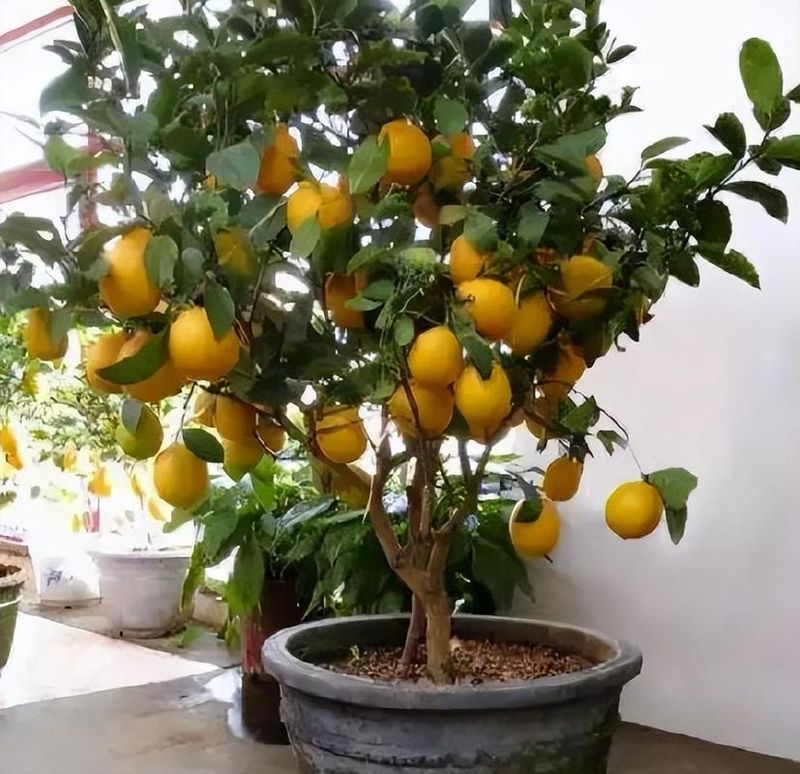
1. Land degradation and planting. (1) reclamation of the land at depths of 30 to 40 centimetres; (2) dens. Caves are at a distance of 1. 8 x 1. 8 metres, the size of which is 60 x 60 x 40 cm, and are then dug into the den with 2. 5 kg of grass-wood ash and 1 kg of calcium per phosphate, and the weeds close to the den are turned back into bottom fattening soil, exceeding 30 cm above the surface and forming a small earth pile. (3) cultivation. A small pit is dug in the middle of the pile, 20-30 cm deep, and the roots of the tree that is torn together are then sprawled, gradually placed into the fine soil, layered, wetted the soil, then filled with the fine soil, so that the floor of the tree is exposed to a surface of 5 cm. Make an extra-high, low-lying dish around the trunk, and water the roots。
Land, water and fertilizer management. (1) soil management. Every summer autumn, weeds are cultivated 4 to 6 times, weeds are eradicated and buried next to the tree plate, weeds are uprooted in time for 2 to 3 times 8 to 10 centimetres of shallow tillage to maintain soil decomposition. (2) water and drainage. Maintaining an adequate water content in the soil is one of the important measures to improve the survival and growth of young children. In winter and spring, during the rainy season, water is irrigated in due course every 10 to 15 days. Trees in high and low outer heights avoid rain flooding and contribute to drainage. (3) fertilizing. In addition to foot bottom fertilization, strips are used to fertilize near the tree plate. The application of urea of 0. 2-0. 4 kg, phosphorus of 1-1. 5 kg, potassium of 0. 5 kg, micro-fertilizer zinc sulphate of 10-20 g and fertilization of urea (10 g/st) by juvenile trees every other month is carried out every other month。
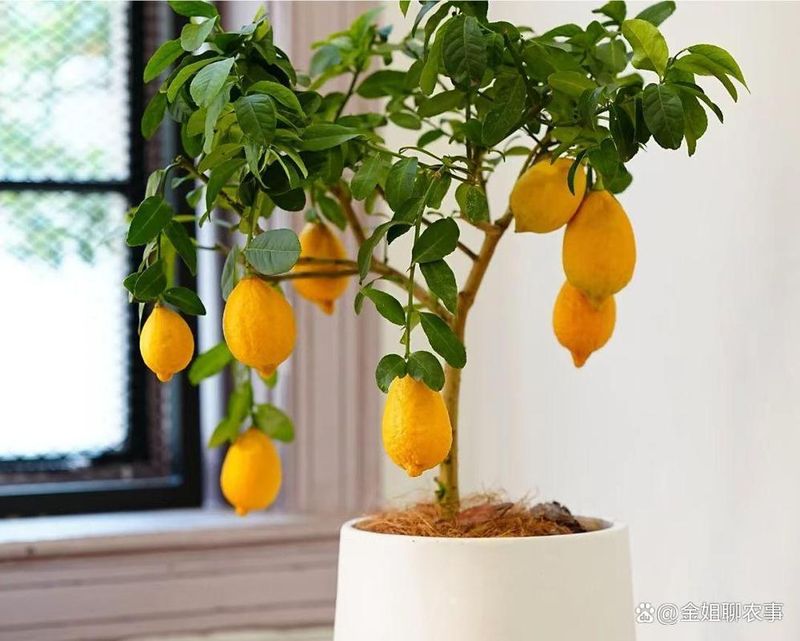
3 - orthopaedic trim. The citrus larvae is mainly trimmed with long branches, trimmed or condensed through branches, dead branches and insect branches. Cuts should be made from the perspective of the development of tree coronal skeletons and the expansion of the canopy, in accordance with the principles of “breeding, balancing, controlling competition, maintaining support” and in the form of abrasion, pulling, hanging, opening angles, etc., which ultimately saves the support, builds solid skeletons and reduces growth and results in advance。
Iii. Pest management
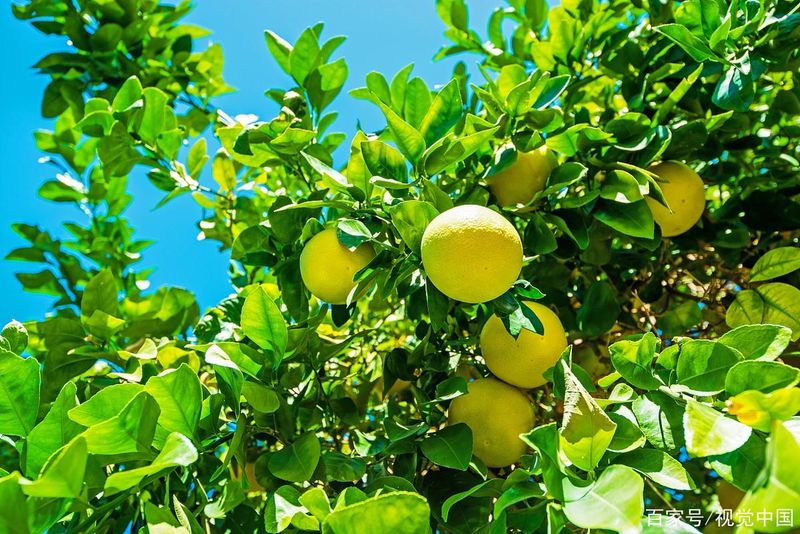
Regular soil management, enhanced water fertilization, increased plant growth and improved resistance to disease. The main citrus pests are adhesive diseases, scabies, red spiders, leaf moths, citrus butterflies, etc. Prevention is the main focus of disease. Scratch the disease with a knife and paint the disease with 200 times more polybacterium than 50%。
For major pests, the method of control is: (1) red spider. Treatment should be based on low-toxic, high-efficiency chemical desiccants. Two to three times, every 7 to 10 days, of abadin 3,000 times the fluid or 2,500 to 3,000 times the cyllus. (2) submarine moth. The submersible moths are mainly harmful to fresh leaves, so it is time to have their first sprayed at about 25 per cent of the top of the top floor, then once every 7 to 10 days and three times in a row. The drug is 10% cypermethrin emulsion 3000-50 times the fluid and 2. 5% bcypermethrin 5000-8000 times the fluid. (3) orange phoenix. The citrus phoenix, which is dominated by larvae and leaves of lemons, is extremely damaging during the summer and autumn of the year. The anti-drugs are combined with sub-leave moths, accompanied by artificial capture of larvae. (knife)



