


Under the vines, under the fields, there are many of these maranapples。
It's a thin, long leaf. We call it marlene。
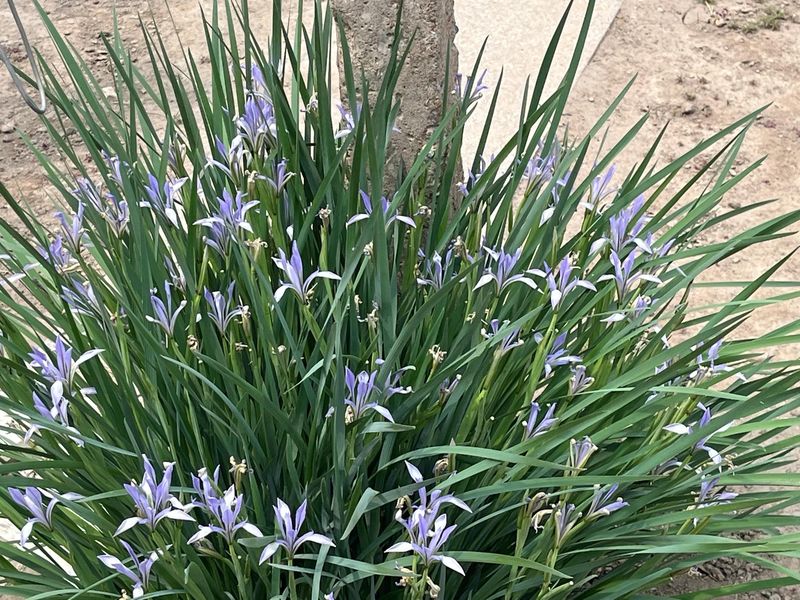
It may not be in your eyes, but it is in the eyes of the portuguese farmers。
We have grapes here, soiled in april, tied in may, matured in september, fallen in october。
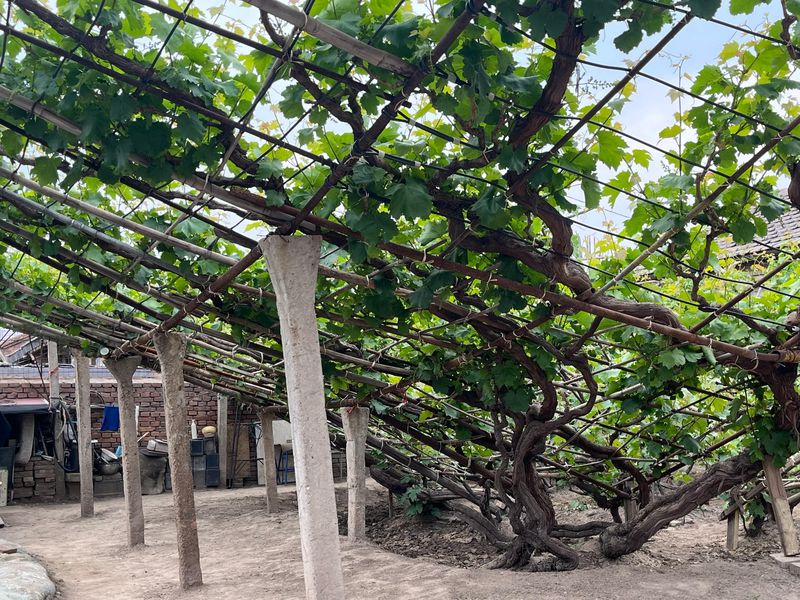
In mid-may each year, grapes are managed hard by farmers and grow to about 1 metre。
This marion needs to be tied up, tied up and fixed。
It's like tomatoes and cucumbers growing to a certain extent, and it's used for leaves of this plant, marlene。
Every march, the weather gets warmer, and marlene gets greener every day。
And in april or so, these blue flowers will come out。
By the beginning of august, marlene grew to about 70 and 80 centimeters。
People would cut it down and dry it up, and the sun would shine in good weather。
Maybe you don't know about this leaf, but it's the rope outside the bag。
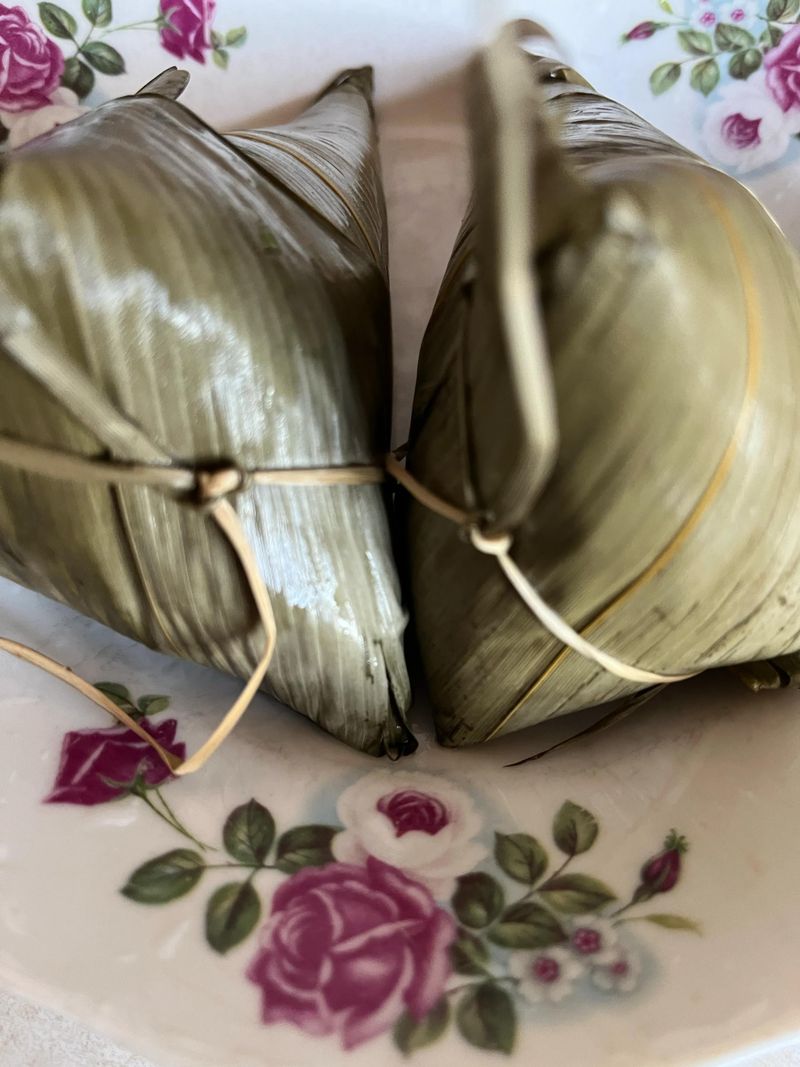
Our ancestors lived here and planted grapes to make a living。
It has not changed for decades, and it has been used to tie grapes。
There is no other plant that can be replaced by what we see。
It's easy to use, it's in cold water。
In the last night, marlene had enough water to become soft and resilient and could use it。
Little maureen, that's a big help。
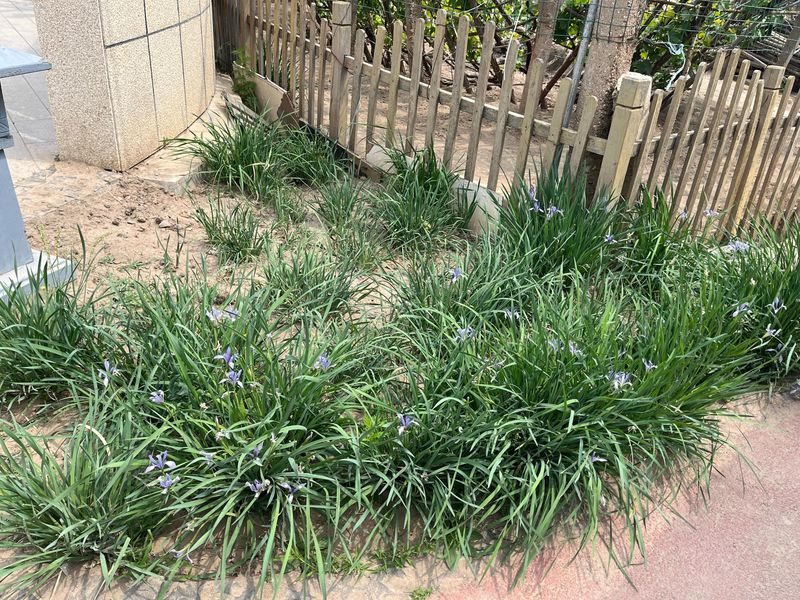
Every time i see them in the village or outside
It's always in your heart. Win is like。
Small and small plants are of great use, facilitating our agricultural production。
It's more like one of us in life, we can't leave it. I love maline。
I love grass like marlene on the field。
Love the blue under the grapes of that home country。



