20 high-yielding technologies and models for major crops, such as food and oil, nationwide
Smart and efficient growing technology model for oilseeds
I. Regional conditions of production and problems addressed
This technology, which is mainly applied to the year-rounded north-east spring oilseeds, is now being replicated by the harrenbel group of rural reclamations in inner mongolia, focusing on recurrent droughts and floods in production, low fertilizer utilization, low group resilience and low efficiency。
Ii. Technological model
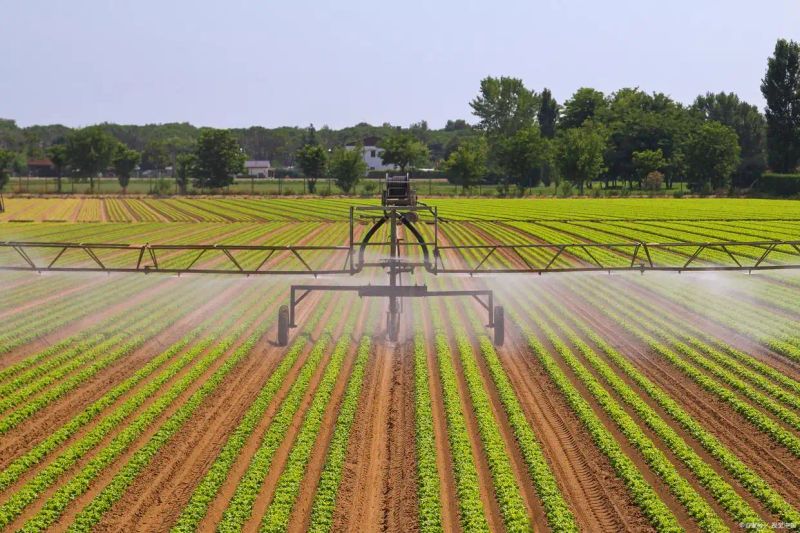
1. Application of large-scale mechanized and protective farming techniques, which combines non-cultivation with deep pine, dredge, straw-past cover organics, enhances soil conservation and wind erosion capacity, and ensures that oil can sow whole seedlings at a time。
2. Application of soil formulas for balanced application of fertilizers, which are applied according to soil type and fertility base formulations, and the precision of the application of potassium nitrogen phosphorus fertilizers, which are supplemented by microfertilizers, fungi fertilizers, stratification fertilisation and fertilisation over time, based on soil nutrient content and nutrients required for the growth of the vegetable. Modelling of fertilizers for the full reproductive life of oilseeds to supply and balance fertilization on demand。
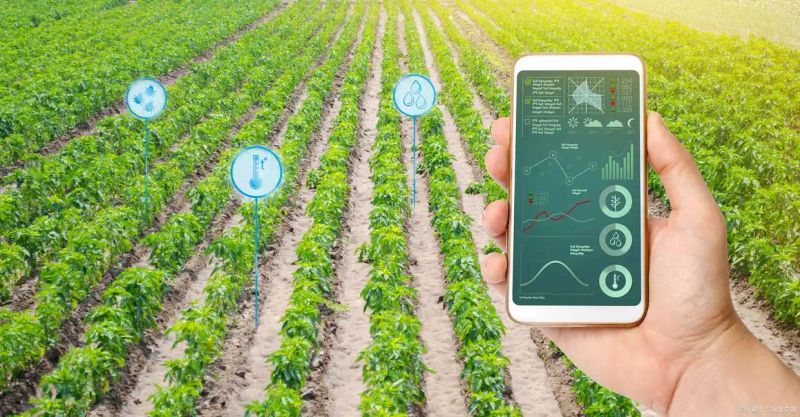
3. Establishment of an intelligent irrigation control system, construction of a water model for oilseeds, construction of a soil-charging model using equipment such as a negative ballast and soil gauge, construction of an irrigation model based on the pattern of water required for oilseeds, progressive development of water-filling on demand. Establishment of a technology model for oil- and vegetable-saving irrigation。
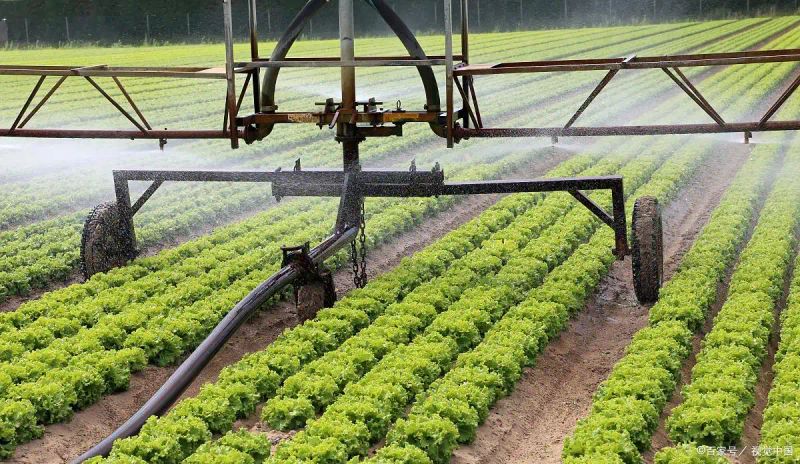
Application of integrated water fertilization techniques, full utilization of irrigation facilities, integration of micro-fertilizers into irrigation systems, fertilization with water and medicine, improvement of fertilizer utilization by 8-10 per cent, and development of an automated, intelligent technology model。
5. Application of large-scale mechanized green precision plant protection technology, integrated field pest and grassland prevention, prevention and integrated treatment, with a focus on the promotion of large-scale mechanized green precision plant protection technology, namely, green chemical control technology + physical biological control technology + ultra-low-precision application technology, combining physical, biological and chemical control. Achieving ultra-low-precision application and green production growth。
Application of efficient and low-loss high-water harvesting techniques for oilseeds, i. E., harvesting of seed grains at 18-20 per cent of seed moisture, to reduce the loss of horns and avoid natural risks, with a reduction rate of 5-8 per cent, to promote the institutionalization, proceduralization and standardization of wheat farm management, and to develop a model of safe-loss technologies for the harvesting and storage of oilseeds。
Outputs and benefits
This technology integration and innovation has effectively increased the production of spring vegetables in the north-east, reduced fertilizer and pesticide application and restored soil ecological conservation capacity. Average acre production increased by more than 13-25 kg compared to conventional technology, water and fertilizer utilization increased by more than 5%, fertilizer and pesticide use decreased by more than 5%, soil reunification increased by about 5%, and planting costs decreased by 5%, with an increase of more than 50 yuan. Between 2019 and 2022, the technology was introduced to a cumulative amount of 4. 7 million acres in the hurenbel group in inner mongolia, with a cumulative economic benefit of 235 million yuan。
Technical units
Hurrenbel group for agricultural reclamation, inc