


Molybdenum is a common edible fungus, which is grown mainly in the form of bacterial preparation, bag making, vaccination, fungi management, ear management and harvesting processing. The following are detailed methods of planting:
I. Bacillus preparation
1. Bacteria selection
High-yielding, resistant strains, such as black moor 916 and mammoth 781, adapted to local climatic and cultivation conditions。
Mothers can be purchased from regular bacterial plants and then acquired and planted through expansion。
2. Numeric formulations
Mother culturer: common potato glucose (pda) culturer in 200g potatoes (cooking), 20g glucose, 20g gum, 1,000ml water。
Original species / cultivation culture: wood crumbs, wheat aluminum, for example, 78% wood crumbs, 20% wheat fowl, 1% sugar, 1% plaster, about 60% water。
3. Vaccination and development
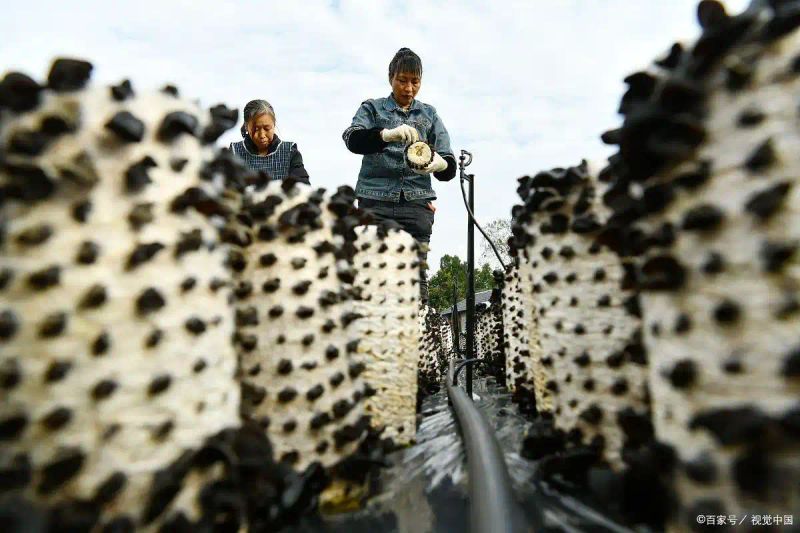
Inoculation of parent species into the original culture, constant temperature cultivation at about 25°c, with approximately 25-30 genus spores full of bottles (bags)。
When the seed is expanded to plant, the operation is carried out in a sterile environment (e. G. Vaccination kits, ultra-netized workstations) under the same conditions。
Ii. Bacillus production
1. Nutrient formulations (e. G., black wood)
Formula 1: crumbs 70%, corn core 20%, wheat 8%, sugar 1%, plaster 1%, water 60-65%。
Formula 2: cotton seed shell 80%, wheat 18%, sugar 1%, plaster 1%, water 65%。
Combination and bagging
It is desirable to mix the main and auxiliary materials and to mix the water into the hand-pumping culture, with a slight water seepage between the fingers。
Select a polypropylene or polyethylene plastic bag of 17 cm x 33 cm x 0. 05 cm, containing approximately 18 - 20 cm height, and then press back and put a collar and cotton plug。
Sterilization and vaccination
1. Sterilization
Commonly crushed fungus: put the fungus in the fungi stove, heat it up to 100°c for 10-12 hours, and then pick it up in 2 hours。
High pressure sterilization: 1. 5 - 2 hours sustained at 0. 15 mpa pressure, followed by re-inoculation by cooling of the bag to room temperature (under 25°c)。
2. Vaccination
In a sterile environment, the bag is removed, the plant is connected (30-40 bags per bag) and the bag is quickly sealed after vaccination。
Iv. Bacillus management
Temperature control
Initial period (1-15 days after vaccination): keep the temperature at 22-25°c to promote mycelosis。
Medium (15-30 days): temperature reduced to 20-22°c to prevent bacterial contamination due to the rapid growth of mybs。
Later (30 days later): appropriately cooled to 18-20°c, contributing to the robust growth of mycelium。
2. Humidity and ventilation
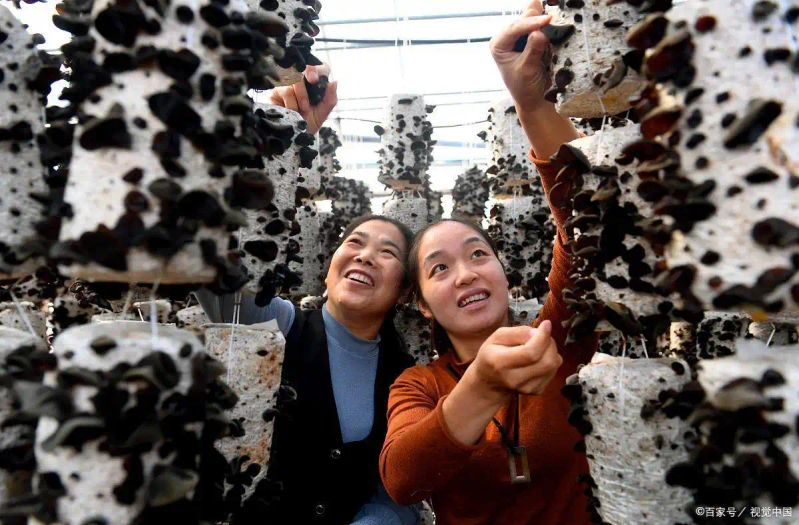
The air moisture of the culture room is maintained at 60 to 70 per cent, with regular ventilation, 2 to 3 per day for 30 minutes each to avoid carbon dioxide accumulation。
3. Packaging and inspection
Each 7 to 10 days a bag is turned and the bag is heated even, while the bacterial contamination (e. G., aromatic, acryptic) is checked and the bag must be removed in a timely manner。
When mybs are packed, they continue to develop for five to seven days, enabling the mybs to fully age and improve their resistance to fungus。
V. Electronic management
1. Demolition
Move the fungus to out-of-the-ear (e. G., greenhouses, large sheds or out-of-room shrouds) and use disinfectant blades to row the bag ** “v” **, mouth length 2-3 cm, depth 0. 5 cm, 8-12 cm each, with a plum distribution。
Water sprays maintain air humidity of 85-95 per cent and give light-dispersion (light intensity 500-1,000 leks) at temperatures of 15-25°c to facilitate earring formation。
2. Sub-entity development management
Stage 1: ear sprouts: high humidity (90-95 per cent), daily water sprayed 2-3 times, light and hard sprayed to avoid direct water shocks。
Stage 2: exhibition period: wetting down to 85-90 per cent, enhanced ventilation and the promotion of earpiece spam. An increase in the volume of water spray is required if the earpiece is curled up, and if the earpiece is thin and light, less water spray and more light。
Stage 3: mature: ear chips are fully spread, edges are curly, spores are collected when they are not ejected。
Collection and processing
1. Collection
When the earpiece colours become darker, soothing, and the abdomen produce spasms, squeezing them gently with their hands, or cutting them with a small knife and keeping them for rebirth。
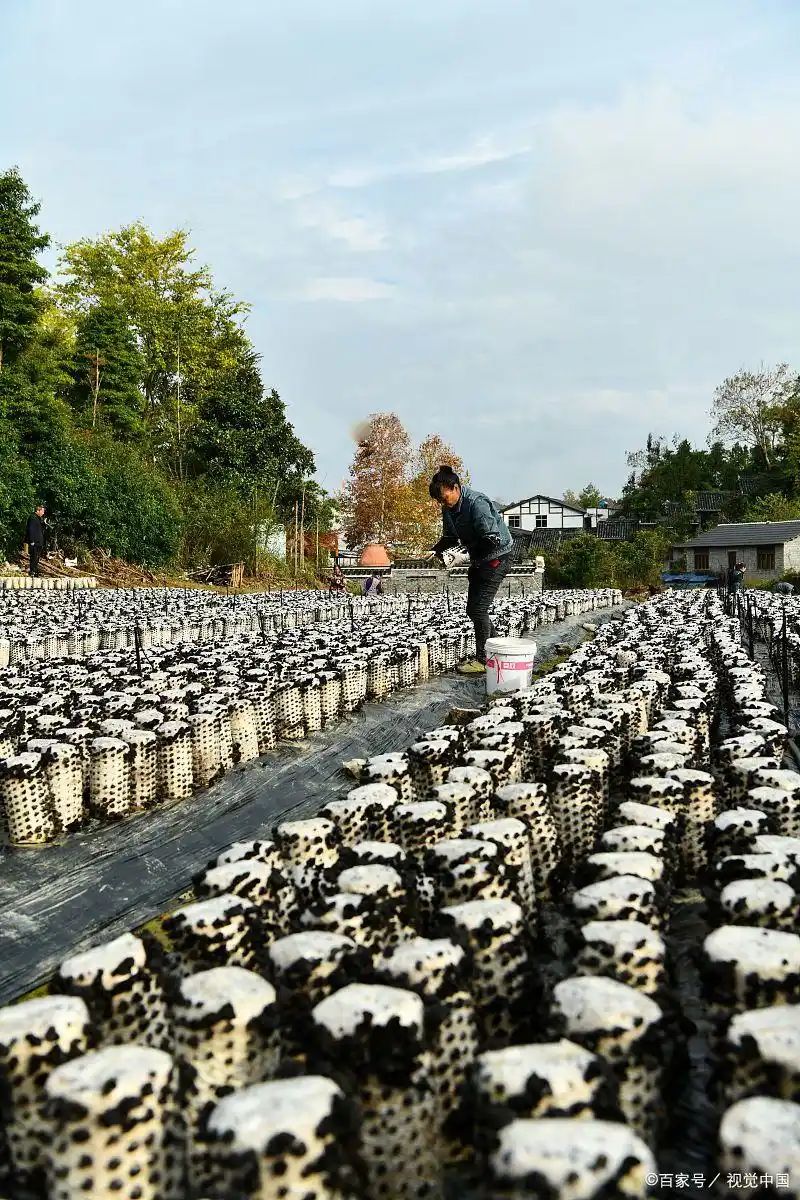
One day before the harvest, the spray was stopped to avoid excessive volume of water in the ears leading to decay。
Processing
(b) drying of the sun: the fresh ears are placed on the bamboo mat or sun curtains, tan in the sun for 1-2 days until they are completely dry (13% with water)。
Drying: in the drying machine, drying at **40-50°c, then heating to 60-70°c** drying, with attention to ventilation and dehydration。
The dry wood ear is sealed in a damp-proof bag to avoid misty。
Vii. Common problems and responses
1. Bacillus contamination
Green mold: reduce the humidity of the culture room and improve ventilation, so that 5% lime water can be sprayed or painted in contaminated areas。
Chain molds: timely removal of contaminated bags, environmental disinfection with formaldehyde or cromol solutions。
2. Insects and pests
Insects: mainly mushroom mosquitoes, mites, which can be booby-trapped with cedars or are treated with biopesticide sprays such as lysin。
Pathological condition: if the ear is run down (ears rotting), the humidity is reduced, the ear is removed and 1% lime water is sprayed with disinfection。
Attention
Cultivation requires strict application of sterile practices to prevent bacterial infections。
Temperatures are adjusted to the climate in different regions, such as increased ventilation and moisture during the rainy season in the south and increased spraying in dry areas in the north。
The fungus can be rehearsed 2-3 times, with water being suspended for three to five days for each harvest to rejuvenate the fungus for the next stage of management。
Through these steps, molybdenum size or family-type farming can be achieved, with higher yields and quality。



