Black muir is an eating fungus and an important medicinal fungus. It is soft and tasteful and rich in protein, sugar, vitamins and minerals and is widely used for cooking and chinese medicine preparation. The following is a description of the method of cultivation of the black moor, including the whole process of soil preparation, vaccination of bacteria, growth management and pest control。
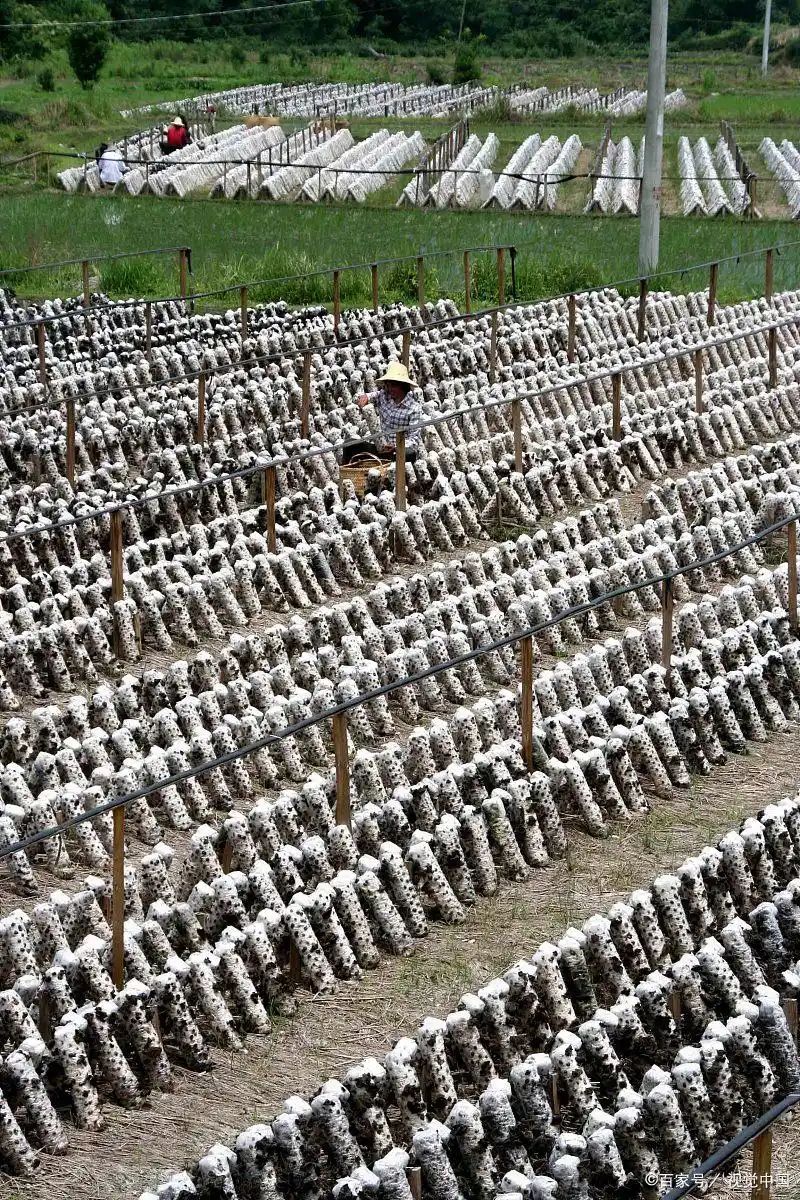
I. Soil preparation
1. Selection of suitable soils
Black wood is suitable for growing up in fertile, ventilated and drained soils. It is possible to select either sandy or bordery soil for cultivation。
2. Soil decontamination
During the soil preparation phase, soil disinfection can be carried out to kill latent pathogens and pests and to improve sanitation in the growing environment。
Ii. Inoculation of fungi
1. Purchase of healthy bacteria
(c) select the high-quality black molybdenum species to ensure that they are healthy。
2. Development of a vaccine base
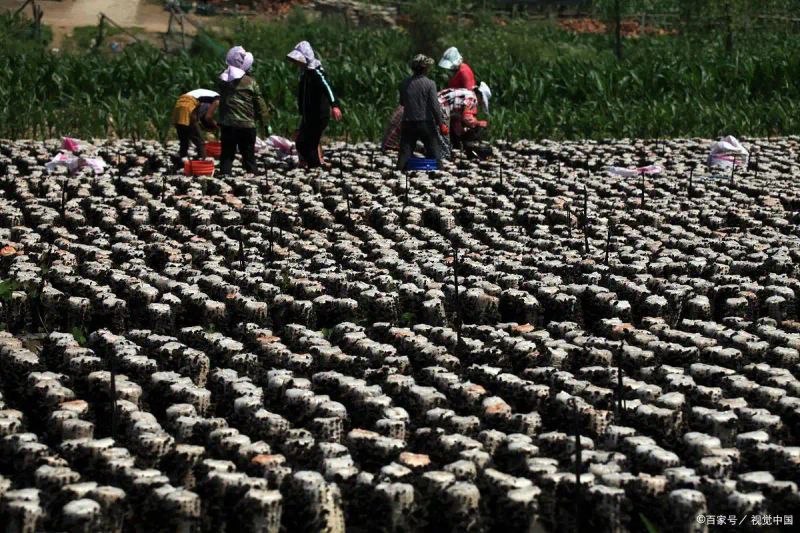
Use maize straw, straw, etc. As a vaccination matrix, soluble and disinfect it to ensure the presence of harmless bacteria。
3. Inoculation process
The sterile vaccine matrix and the black molybdenum species are evenly mixed and then filled in a bag or container, closed and fermented。
Iii. Growing management
1. Temperature and humidity control
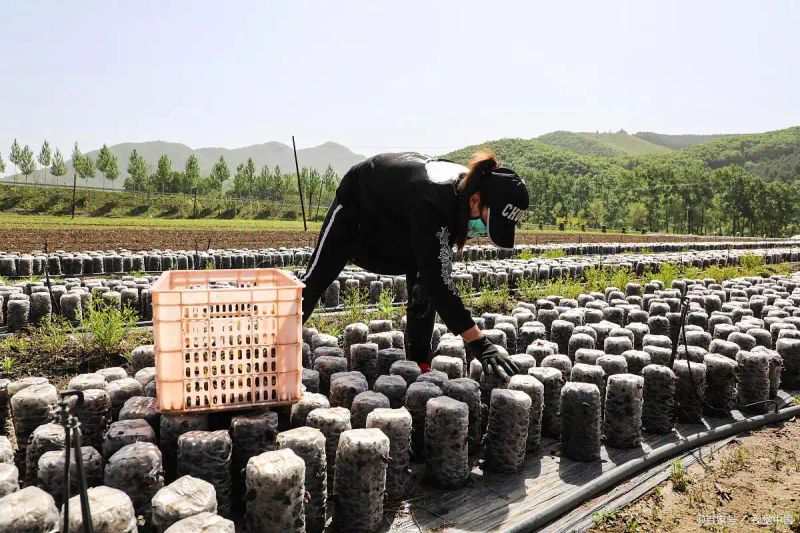
The most appropriate temperature for black wood ear growth is 20°c to 25°c, with a relative humidity of 80% to 90%. Control of temperature and humidity by adjusting the planting environment, for example by using humidifiers。
Photomanagement
Black moot is a low-photo creature that prefers a weaker light environment and can use black cloths or sheds to shield sunlight。
3. Ventilation and oxygen supply
Maintain a well-ventilated environment to ensure adequate oxygen supply. Black moor growth requires a lot of oxygen。
4. Keep wet
The base surface is humid and can be sprayed periodically through aerosols, while avoiding overwatering。
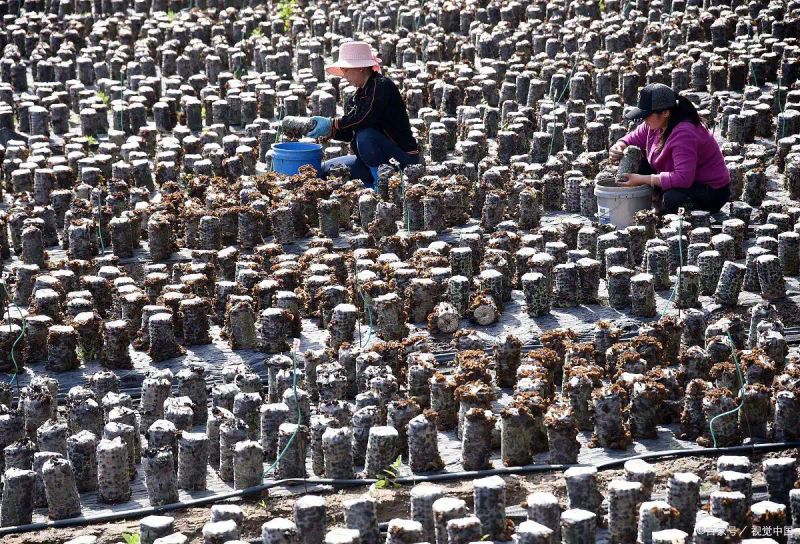
Iv. Pest management
1. Periodic inspections
The growth and planting of the black moor are regularly checked and any unusual signs, such as yellowing, fallout, pests, etc., should be addressed in a timely manner。
2. Disease prevention and treatment
Disease prevention using appropriate microbicides or agents, especially for fungal diseases。
3. Pest control
Use appropriate insecticides to combat pests such as aphids, ants, etc。
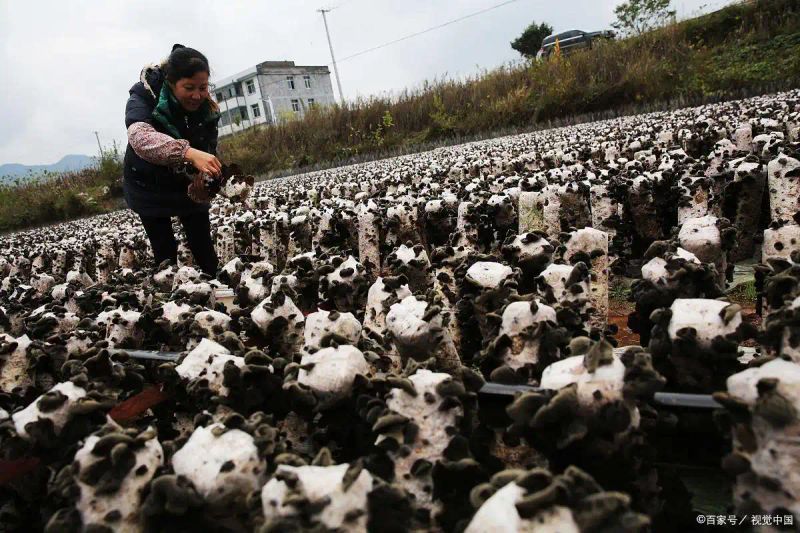
V. Harvesting and preservation
The timing of the harvest
Black muir usually matures within 30 to 40 days of birth. The maturity can be judged by the colour, size and quality of the black moor。
2. Harvest methods
Scissors are used to cut off the blackwood ears and avoid harvesting the soil together. Be careful not to damage the fungus of black muir。
3. Processing and retaining
• cleaning of black wood, removing impurities and soil, and then drying or drying or processing products。
4. Refrigeration or dry storage
If long-term preservation is required, black wood ear can be refrigerated or dryed to ensure protection from damp and fungus。
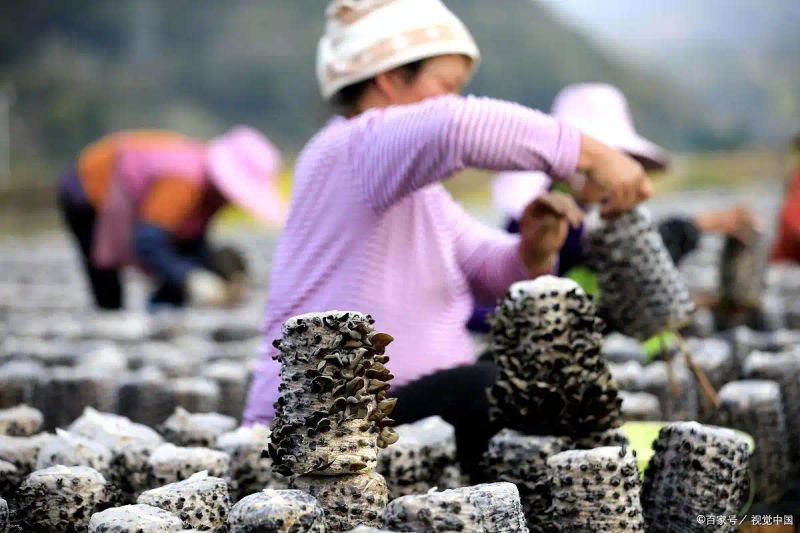
Market sales
1. Packaging
Proper packaging of the black moor, showing the origin and quality, and increasing the attractiveness of sales。
2. Marketing channels
Market channels such as the market for vegetables, supermarkets, restaurants, food processing plants, etc., can be chosen, or online sales can be made through electrician platforms。
3. Price strategies
Develop a reasonable price strategy to attract customers based on market demand and competition。
Based on the above, the cultivation of black moor requires appropriate soil preparation, vaccination of bacteria, growth management, pest control, etc. Through careful management and careful operation, high-quality black moor production can be obtained and marketed. This detailed information is expected to be useful for your success in planting the black ear。