


The introduction of indigenous cultivation, which changes the growth environment of the white sleeping lot, may result in poor growth, etc. As a result, indigenously grown white sleeping lotus require special cultivation and conservation in order for it to grow healthy and normal. The articles presented basic information on white sleeping lotus and its environment of origin, discussed planting and conservation methods for the characteristics of white sleeping lotus and proposed technical measures for its management and conservation。
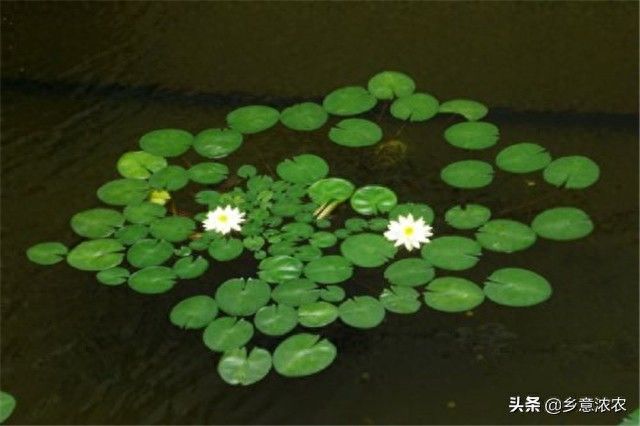
Basic information on white sleeping lotus and the environment of the land
1. 1 basic information on white sleeping lotus
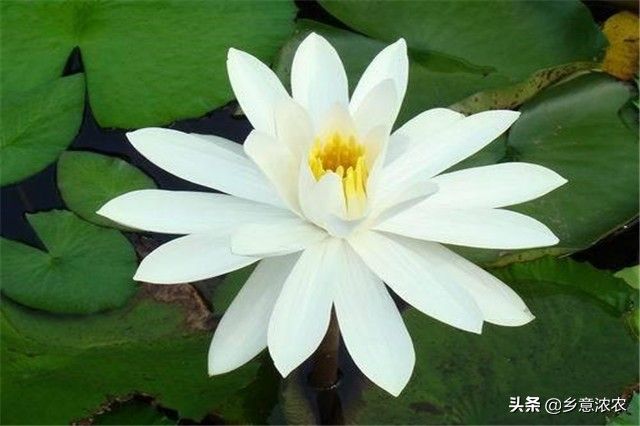
The origin of white sleeping lotus originates in europe and belongs to the sleeping lotus plant, which is a multi-year aquatic herbivorous plant, generally referred to as european sleeping lotus for reasons of origin. There are more petals, usually 20 to 25, and leaves are rounded, floating in water, textures are paper, textures are clear and beautiful. The white sleeping lotus, which is a multi-year live aquatic flower, has broad leaves and long leaves, allowing it to float to the surface. White-water lotus leaves are smooth and green, which avoids excessive accumulation of water on the ground, leading to the decay of the meat. White lotus's flowers grow at the top of a thin flower handle and float on the water, typically with four slices, presented in broad pins and narrow eggs. At some point in time, they are condensed into ball-like fruit, which contains seeds from which most of the small black nuts are white sleeping lotus and are stored in a package of slices, rendering the seeds inactivated from overwater。
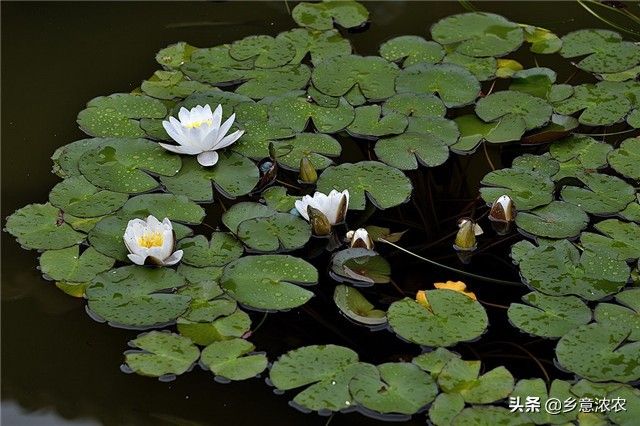
1. 2 landscape of white sleeping lotus
The white sleeping lotus, which is a multi-year raw aquatic flower, prefers strong light and a good ventilation environment, as well as a source of water with high-quality nutrients. The white sleeping lotus has low soil requirements and is generally 6-8 acidity, which is neutral. White sleeping lotus is aquatic plant, but prefers organic soil. Growing in ponds with organic soils makes flowers more robust and healthy. Most of europe is in the arctic, and therefore the light is strong and suitable for the growth of white sleeping lotus. The great white sleeping lotus has been transplanted to our areas of shandong, hebei and shaanxi. The introduction and cultivation of white sleeping lotus is more suitable than in other regions. As a result of the glamour of the white sleeping lotus, the physical characteristics of the white sleeping lotus are clearly stimulated by the outside world. In the daytime, white bedlines absorb light, so that white bedlines tend to open flowers as the sun rises. As the flowers of the white sleeping lotus come to a close, the white sleeping lotus is known for its nature。
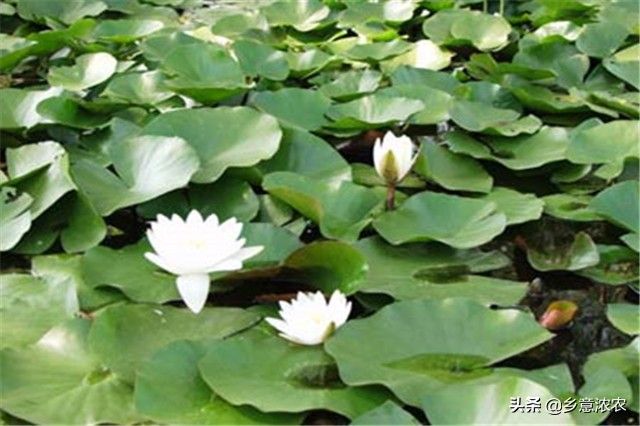
1. 3 value of white sleeping lotus
As the country's famous landscape art plant, white water lotus has been used as a feature of water scenery such as painting in our country's handy. White sleeping lotus therefore has very important artistic and cultural values. In addition to this, both our country and the european classical gardens have used white-water lotus as a water attraction to decorate fountains or exterior halls and to make the landscape of private home forests, royal forest, etc. It is also of great cultural value because of its appearance, its sanctitude, its siltness and its cleanness, and the fact that it is the subject of poems written by a large number of inkmen, both chinese and foreign. The root of the sleeping lotus is rich in starch, which can be used in wine brewing and medicine, and is used as a strong agent and as a deterrent. As aquatic plants, it absorbs toxic substances such as mercury lead in water. It is a plant material that filters harmful substances in water. It cleans water sources and contributes significantly to the greening of the environment and to beautification。
2 cultivation management of white sleeping lotus
2. 1 pyrotechnic measures
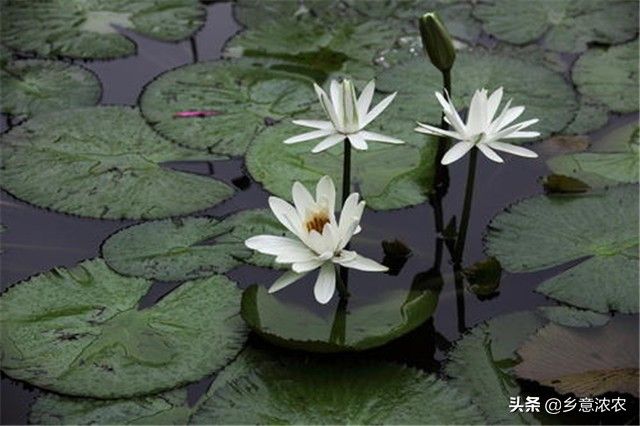
As aquatic plants, but in order to meet the needs of some farmers, they can also be grown with a potted plant, which should be grown around the spring break of each year. When planting white sleeping lily, natural fertilizers, such as rotting, soft bean cakes or bone hooves, are placed at the bottom of the flower basin to provide sufficient nutrients in the pelvis soil. At the same time, put about 35 cm on the fertilizer in the pond sludge. Create a pond planting environment for white sleeping lotus. In the end, the white sleeping roots with their buds were planted in the mud. The sprouts must be sunk in the woods and then water added to the pelvis so that the sprouts of white sleeping lotus can be absorbed with sufficient moisture. When cultivation is completed, care is taken to change water in a timely manner in exceptional circumstances, such as high-temperature seasons, otherwise over-production of algae may become more likely, affecting the cultivation of white sleeping lotus。
2. 2. Pied-in-slender measures
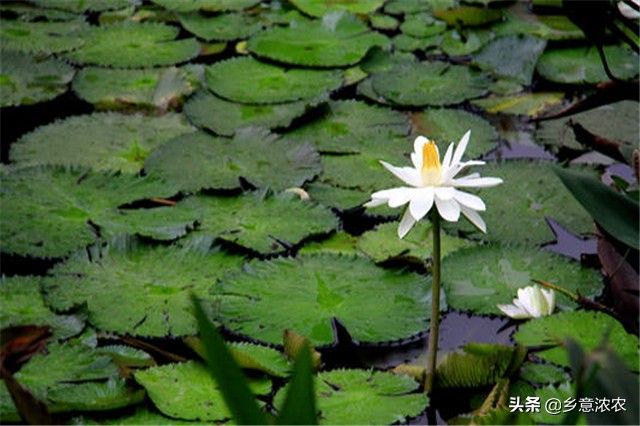
It's easier to plant a bedline than a potted bedside. When the pool is planted, the choice is to plant it in a pool under a large water surface in a suitable climate. Care should be taken during the growth of the white sleeping lotus to maintain sunlight and good ventilation. It cannot be planted in a green environment, which is detrimental to its growth. It is required to fertilize the water before springfalls, and it is necessary to move cold-tolerant seedlings to the greenhouses for winter in order to protect the roots of the water。
2. 3 summary of cultivation techniques
In general, first, when planting a white sleeping lotus, it is important to choose the soil suitable for the growth of the white sleeping lotus, for example, that the white sleeping lotus prefers a more corrosive and viscosive soil, so that it is generally grown with a long-term silt in the river; and second, it is important that the white sleeping lotus grow with a good root. For example, it is generally chosen to plant with a growing and robust plant, free of viruses, undamaged, non-decomposition new buds; and, thirdly, as a plant that only absorbs light sources and nutrients, it is appropriate to plant it on a shallow basis。
3 white sleeping lotus conservation technology
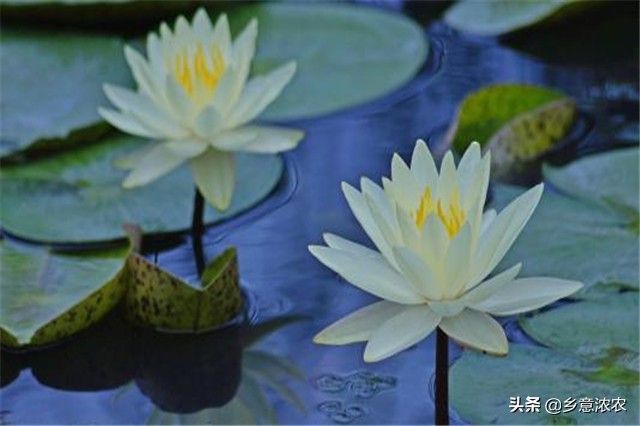
The conservation of white sleeping lotus is generally divided into three conservation components, namely, flowers, roots and buds. Care must be taken for the conservation of white-slender flowers, and appropriate measures must be taken to ensure that white-slender flowers start to bloom early. So that white bedlines can grow early and grow in separate strains, so that they can grow more quickly in the roots of the first flower, in the flower basin, and in the water layer around 15 cm. In the meantime, it is important to ensure that the cultivation of white sleeping lotus is adequate and that before the buds open, they are fattening in a timely manner so that they remain in an environment of sufficient sunlight and temperature and are more favourable to the flowering of plants. Follow-up conservation for white sleeping lotus. The lumbered parts of the waterline plant are to be removed from the sludge after autumn. And store by cluster. Before doing so, it is important to note that, because the sleeping lotus is aquatic, it is necessary to dig quickly, otherwise it affects the roots and renders the buds on the roots inactive. For the conservation of white-sleeping lotus buds, when the buds are fully cut off, they are carried out in a more appropriate morning atmosphere. The cut flowers are then temporarily placed for cold treatment where there is no sunlight exposure and are classified according to grade and type and placed in an oil permeable paper box with a humidity of about 95 per cent, at temperatures ranging from 5 to 6 °c。
Summary
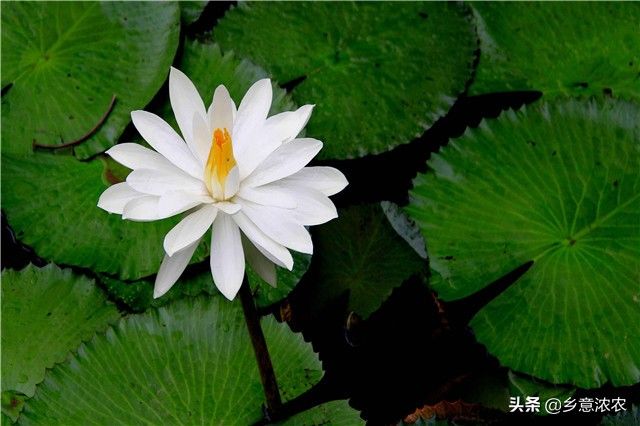
As a famous landscape in our country, white sleeping lotus is very critical of its growing environment. Workers involved in raising and cultivating white bedlines are required to cultivate and cultivate them according to their habits in order to make them more healthy and healthy. At the same time, the development of technology for the cultivation and cultivation of white bedlines should be continuously developed。



