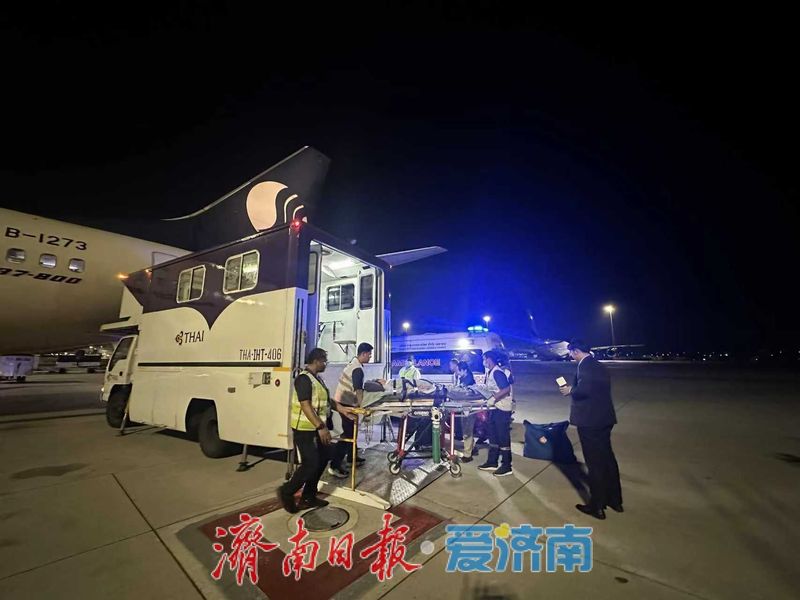
On 5 march, at 0755 hours, a five-day transnational “life relay” spanning thousands of kilometres was successfully completed with the smooth landing of mountain flight sc8076 at the chinan remote wall international airport. This is not only the first successful delivery of passengers on board international flights, but also a full-scale operational inspection of airline capabilities, inter-sectoral synergy mechanisms, international emergency response processes, etc。
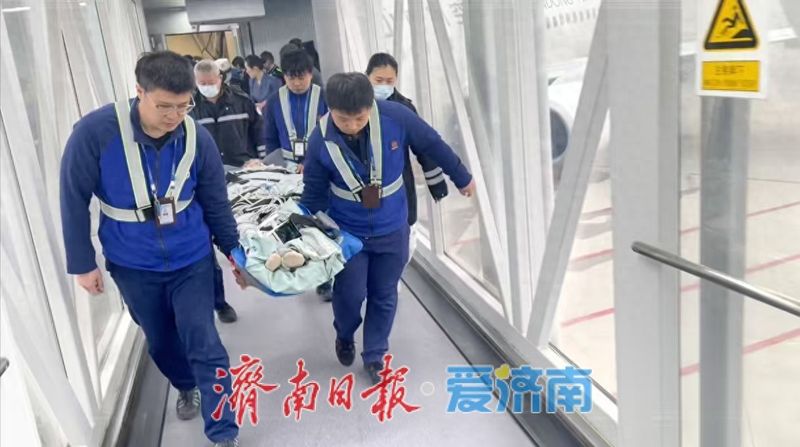
Today, in the high-quality development of the civil aviation industry, special passenger transportation, especially international stretcher passenger security, has become an important yardstick for measuring the division's capacity for integrated services. The success of the mission is not only a vivid exercise in human chemical services, but also a typical case of a transition from a “passive response” to a “active construction” working model。
Production of standardized operational guidance
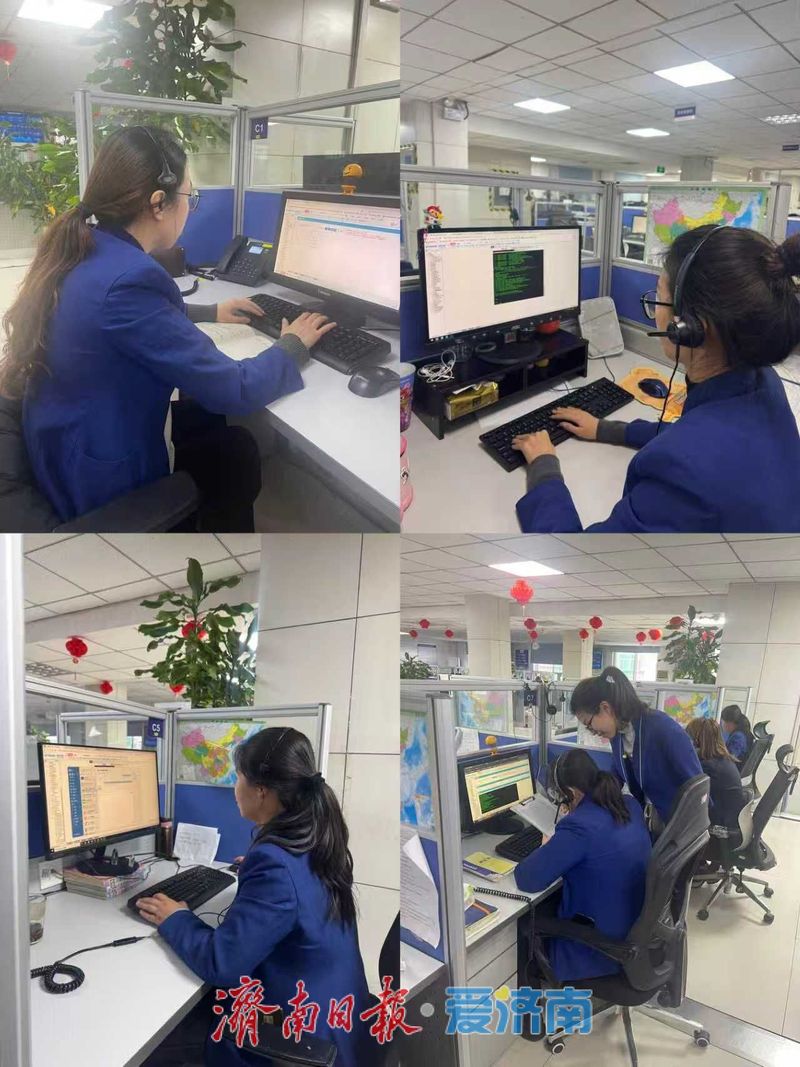
In the context of this safeguard mission, after receiving help from the families of the passengers, the yamada client service centre quickly contacted a number of departments, including the commercial committee, the operations risk control centre, engineering technology, and ground services, to launch an efficient and coordinated transnational response. From ticket reservation, seat modification, oxygen security, to ambulance access and customs clearance coordination at both locations, every link reflects a high degree of professionalism and organizational capacity。
More noteworthy, however, is the fact that, after the end of the mission, the mountain cruise did not stop at “finishing a safeguard” but quickly launched a chain-wide rewinding, combing the weaknesses in the process and developing a special operating guidance for international flight burden services. This guidance document defines the standards of all-process norms, ranging from passenger counselling, qualification clearance, ticket accounting to space reservation, on-board security, and achieves “code-based and evidence-based” international passenger service guarantees。
This initiative marks a shift from “case-based disposal” to “process-based management” in the area of special passenger service security, providing a solid basis for standardization and replicability of similar follow-up tasks。
Global training breaks the fence
In their interviews, journalists learned that special passenger security is not a duty in a single position, but rather involves the coordination of services such as passenger service, operations, commercial commissions, ground service, cabins, etc., which is more than effective. Following this mission, the mountain client service centre (preparing) international and area support cell conducted a combination of on-line and off-line intensive training to ensure that every passenger had a mastery of international passenger-related business processes. By breaking the barriers to job information, the ability of “minority to understand” to “full membership” has been scaled up, providing human security for rapid response and precision in the execution of similar tasks in the future。
This “full capacity” training model not only enhances the reliability of service security, but also provides useful insights into the ability of airlines to build “soft organizations”。
The system solves three core dilemmas
Journalists noted that passenger clearance, ticket accounting and special service matching are three core challenges in the context of international passenger security for stretchers. In this retrospection, yamada has systematically combed and deciphered these issues: clear criteria for the validity of medical certificates, strict access to passenger health clearance and flight safety; detailed logic for the calculation of the prices of 12 seats, regulation of fuel surcharges, tariff rates and avoidance of billing disputes; rules for accounting for aerobic fares on a combo machine, regulation of exclusive seating practices, ensuring efficient docking of service requirements and accurate space retention。
The systematic decomposition of these three major challenges marks a shift from “experienced” to “data-driven” and “flow control” operations in the context of international special passenger service security。
Special passenger service is the touchstone of the "soft power" of the division
In recent years, the demand for special passenger transportation has grown with the diversification and ageing of civil aviation passenger structures. The provision of efficient, warm and professional services, subject to safety guarantees, has become an important dimension of the division's differentiated competition。
The success of this international stretcher passenger security is not only a cross-border “life route” but also a comprehensive upgrading of service concepts, working mechanisms and organizational capabilities. It sends a clear signal to the industry that special passenger services are no longer a reactive response to “accidents”, but should be an important component of the regularization of capacity-building in the division。
In the future, with the resumption of international exchanges and the diversification of passenger demand, airlines will face more similar challenges in extracting experience, solidifying processes, empowering teams and optimizing mechanisms from each battle to truly construct a “human”-based, “peace-based” and “mass-based” service system。
From bangkok to jinan, this “life relay” across borders has come to an end. But this is only a starting point for mountains. On their way to exploring new work models, they are writing a new chapter on civil aviation services in a letter of action. As yamada's customer service centre (publishing) correspondents have said: “each special safeguard is a hammer of competence and an exercise of responsibility”。
When “life above all” is no longer a slogan, but is integrated into processes, systems and cultures, the temperature of civil aviation services can truly reach the softest of people. (jinan daily news eijinan journalist: dai seung-soo correspondent: rowe wang zheng)