Areas suitable for the cultivation of “white tungsten” and analysis of the focus during planting
I. Distribution of areas suitable for the cultivation of white plumes
Bletilla striata is a multi-year herbivorous plant, a traditional chinese medicine, which has the effect of curbing bleeding, swollen muscles, etc. And is widely used in medicine. Its growth is more demanding in environmental conditions, with suitable cultivation areas concentrated in wet and semi-humid subtropical and warm temperate areas。
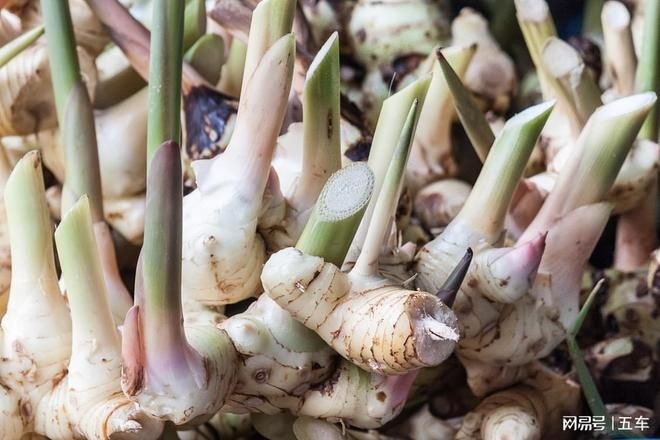
Zhang kai agriculture - "white sing"
(i) internal distribution areas
South-west: yunnan, sichuan and guizhou are the main production areas of the white shiraito, with the term "casa shiraito". Yunnan's climate is also characterized by low latitudes, monsoons, mountain climates, low annual temperature differentials, high daily temperature differentials and clear dry and wet seasons, with an average annual temperature of 14. 8°c across the province, with an annual precipitation of approximately 1100 mm, and a significant stereoclimatic climate, which is used for the growth of white tungstens
The environment is diverse. Most of sichuan is a subtropical monsoon climate, warm and wet, winter and summer heat, with an average annual temperature of 16 - 18°c, annual precipitation of 1000 - 1200 mm, fertile soil in the basin, especially purple soil, which is rich in minerals, and is well suited to the growth of the white lumber. Guizhou is a subtropical wet monsoon climate, with rising mountains, warm and humid climates, with an average annual temperature of about 15°c, an annual precipitation of about 1,200 mm, special soil conditions and microclimatic conditions in the caste landscape, creating unique growth space for the white twilight。
The yangtze central and lower river areas are also extensively cultivated in hubei, hunan, jiangxi and anhui. The northern part of the lake is located in the subtropical subtropical zone, with the exception of high mountain areas, most of which are subtropical monsoon humid climates, abundant light energy, abundant heat, long frostless periods, abundant precipitation and hot seasons, with average annual temperatures of 15 - 17°c, annual precipitation of 800 - 1600 mm, abundant water resources and suitable weather conditions, which allow the white plumes to thrive. Hunan is part of the subtropical monsoon humid climate zone, with clear seasons, short cold periods, abundant heat, concentrated rainfall, average annual temperature 16 - 18°c, annual precipitation 1,200 - 1700 mm, large hilly hills, high forest cover and ecological excellence, creating good conditions for natural growth and artificial cultivation of the plume. The warm, wet, four-season, average annual temperature of 16. 3 - 19. 5°c, annual precipitation of 1341 - 1943 mm, and improved soil types such as the red zone, also meet the growth needs of the white lumber. Anhui has a complex and diverse climate, with semi-humid monsoons north of the warm zone, and sub-hot and wet monsoons south of the river, with an average annual temperature of 14 - 17°c and an annual precipitation of 750 - 1700 mm. The natural environment of the southern and western mountains is suitable for white tanning。
(ii) external distribution areas
Outside the country, the platinum is mainly located in japan and on the korean peninsula. Japan has a temperate oceanic monsoon climate, with clear seasons, warm and wet throughout the year, with an average annual temperature of about 15°c, annual precipitation of between 1,000 and 2000 mm, particularly in the japanese territories of kyushu and four countries, with abundant forest resources, with a humid environment under the forest similar to the original habitat of the plume and suitable for its growth. The climate of the fresh peninsula is characterized by a transition from oceanic to continentality, with annual average temperatures of 8 - 12°c, annual precipitation of about 1,000 mm, and ecological conditions in some mountain regions that also meet the growth needs of the white guillotine。
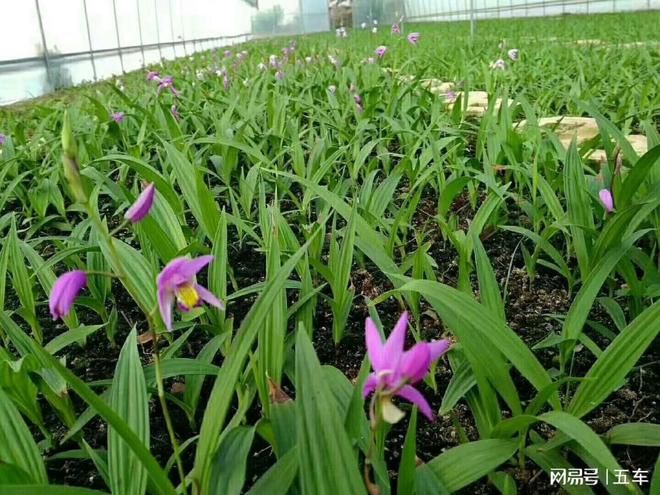
Zhang kai agriculture - "white sing"
Ii. Possible points in the place of white those
(i) land selection
Soil selection: the white platinum is suitable for growth in fertile, estranged, well drained and corroded sandy or corroded soil. The selection of clay, low-lying water parcels is avoided because of poor clay permeability, which tends to lead to a lack of oxygen in the roots and decomposition; low-lying plots accumulate water during the rainy season, leading to the death of white scavengers. Indicators such as soil alkalinity, fertility, etc. Can be found in soil tests, with ph values ranging from 5. 5 - 7. 0 for soil suitable for white lumber growth。
Land parceling: after selection of the plot, weeds, shrubs, etc. On the plot are cleaned and then rolled deep, usually at a depth of 25 - 30 centimetres, to break the slabs and improve soil aerobics and permeability. In combination with deep flipping, each acre is applied to decomposed farm fats of 2000 - 3000 kg and calcium perphosphate of 50 kg as base fats, which fully mix the fertilizer with the soil. Finally, it is made of 1. 2 - 1. 5 m width, 20 - 30 cm height and 30 - 40 cm width for drainage and field management。
(ii) crop selection and cultivation
The selection of seedlings: white seedlings are mainly seed-breeding and tubers. Seed-breeding techniques are highly demanding, gestation rates are low, and tuber reproduction is more prevalent in production. Select a plume-free, medium-sized, full-eyed white tuber, which weighs 20-30 grams. Prior to planting, the tubers were placed in 50% of the polybacterial humid powder 500 times the fluid so that they were sterilised for 1-2 hours to prevent the disease。
Time and method of planting: the time of cultivation is usually in the spring of march-april or fall of september-october. At the time of planting, 30 - 35 centimetres in length and 20 - 25 centimetres in length, depth 5 - 7 centimetres in depth, put the treated troughs into the lavender, gleaming the eye, with 1 - 2 truncheons per lavender, and then cover the fine earth with 3 - 5 centimetres, with a little repression, with a bit of pressure, with a bit of water, with a firm root water, and full contact between the soil and the troughs。
(iii) field management
Weeding by chinese farming: small white plume, fast-growing weeds in the fields, competition for nutrients, moisture and light with white plume, and therefore the timely planting of grass. In order to avoid damage to the white root system, three to four times during the growth of the white lumber, after the spring seedling, before the summer boom, autumn and winter hibernation periods。
Fertilizer management: white phoenix and wet environment, but not resistant to flooding. Water should be poured in time during the dry season, the soil must be kept wet and water must be poured in order to avoid the accumulation of water, and during the rainy season, attention should be paid to drainage and flood control and to the timely discharge of gutters to prevent the root of the water in the fields. A large amount of nutrients is required during the growth of the platinum, which should be followed up according to the stage of growth, in addition to the application of base fat. After the spring seedlings, each acre is followed by decomposed, thin human urine 1000 - 1500 kg to promote plant growth; 20 - 30 kg of compound fertilizer per acre during boom (6 - august) to meet the demand for nutrients such as nitrogen, phosphorus and potassium; and 1,000 - 1,500 kg of organic fertilizer per acre in the autumn to improve the resistance of the plant to winter。
Shade management: the white hyena is a fungus and needs proper shade during growth. Shelters can be built on top of planting plots, with shades contained at about 60-70 per cent; large crops such as maize, sorghum and so on can be planted between plumes, providing shade conditions for the plumes。
(iv) pest management
Disease prevention and control: the common diseases of white tungsten are the root causes of decomposition, folicosis, etc. The root causes are caused mainly by high soil moisture and poor ventilation, with brown spots in the root of the plant at the beginning of the disease, gradually decomposed and, in severe cases, whole-ton deaths. Methods of prevention and control: field management is strengthened, drainage is done and soil moisture is reduced; at the beginning of the disease, 50 per cent of the polybacterial humid powder is used 500 times the fluid or 70 per cent of the methyl tobuzin humid powder 800 times the root, 200 - 300 ml per irrigation fluid, every 7 - 10 days and 2 - 3 consecutive times. In the early stages of the disease, there are brown spots on the leaves, which gradually expand into circular or elliptical spots, and in severe cases the leaves fall yellow. Method of prevention: timely removal of leaves and reduction of the spread of pathogens; at the initial stage of the disease, 600 times the fluid or 50 per cent of the bacterial humid powder, 500 times the spray, sprayed every 7 - 10 days and 2 - 3 times continuously。
Pest control: the common pests of white twigs, tigers, etc., are mainly eating the roots and tubers of white twigs, resulting in poor growth and even death. Prevention methods: before planting, 50% of thiophos-methyl cream 0. 5 kg of thiophos-methyl is mixed with 20-30 kg of fine soil for soil treatment; 90% of trichlorfon crystals 1,000 times the fluid or 50% of thiophos-methyl cream 1,000 times the root, 200 - 300 ml of each irrigation fluid, during the infestation period; also black light light can be used to lure the infestation to reduce the density of the insect。
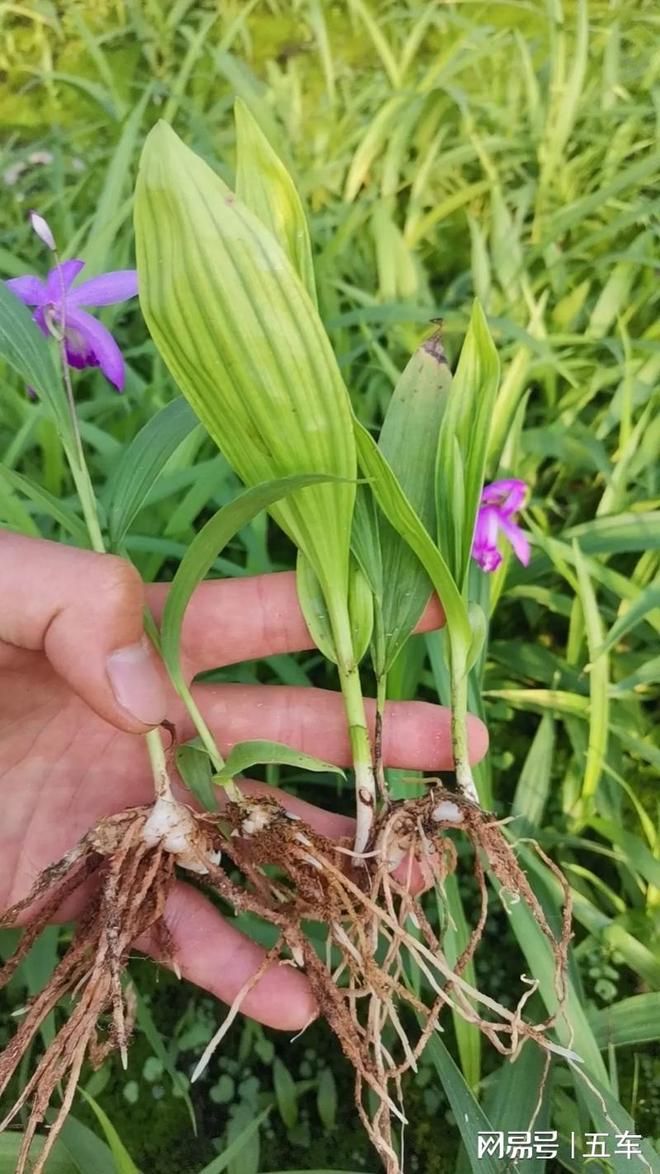
Zhang kai agriculture - "white sing"
The above provides a comprehensive analysis of the cultivation areas and the main features of the plume. If you also want to know about the processing of pick-ups, the market prospects, etc., you are welcome to be in touch at any time。