You can't keep your mouth shut? And most of the problems are, "i don't know how it grows." as a highly medicinal herbs plant, white platinum is particularly “choice” for the growing environment, and it is not easy to plant land. Today, in the white language, the core environmental requirements of white-spruce growth are made clear that it can be used on a par with new hands or on a scale
White
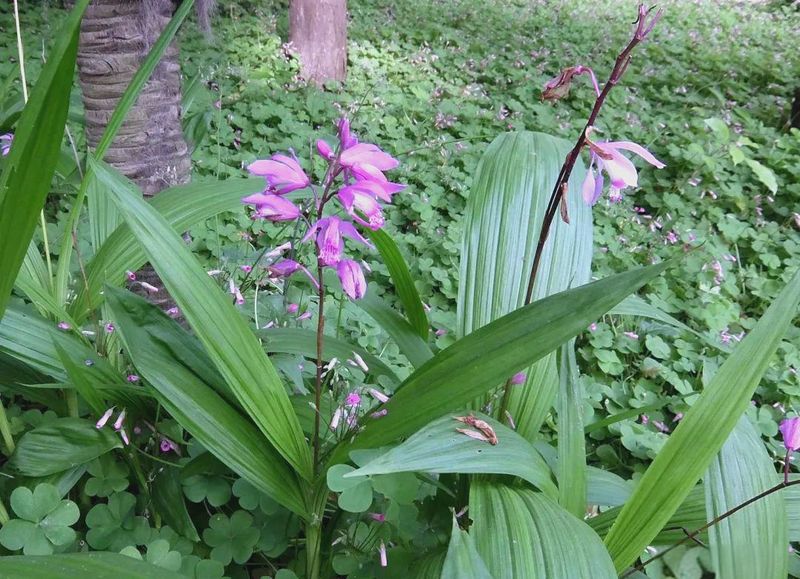
Temperature: frozen and suny, 20-25°c most comfortable
It's a classic “temperature plant” that can't withstand the cold or the heat
Appropriate temperature: the most suitable temperature for growth is between 20 and 25°c, and at this temperature, the buds of the platinum grow smoothly, the roots grow fast and thick, and the leaves are green and bright
Temperature taboos: once the temperature is below 5°c, the white plume “sleeps” and ceases to grow; if it is exposed to frost or temperatures below 0°c, the leaves on the ground will freeze and die, and the roots of the ground may freeze and directly affect survival in the coming year
High-temperature response: when the temperature exceeds 30°c in the summer, shade and cool in time, otherwise the leaves will be tanned with yellow curls and the whole strain will dehydrate and dry. It is suggested to build a sunnet in high temperatures or to plant some high-strength crops (e. G. Maize) around the sun
White
Lights: like "dispersible light"
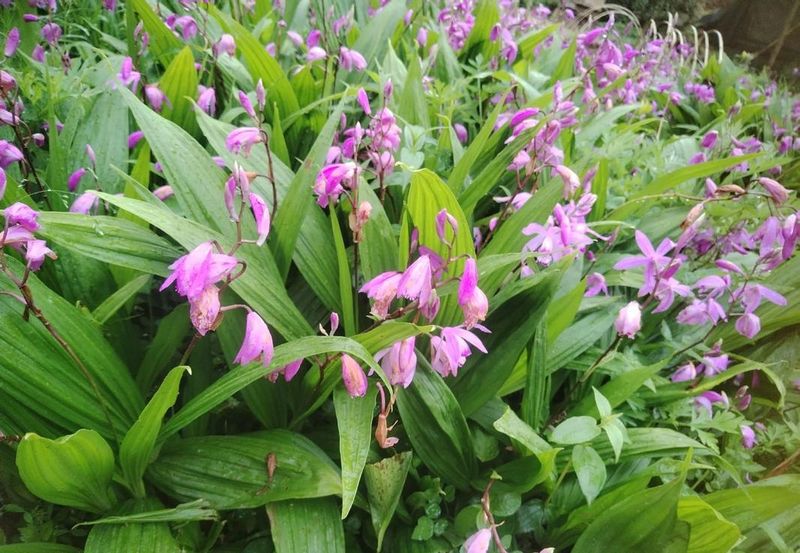
It's natural to be afraid of sun, especially because it doesn't like the strong light of midday, but it can't be completely lightless, and it has to be given a half-vaginal environment
Light demands: 3-4 hours of mild dispersing light per day is enough, for example, under the woods, by the roof, or 50-60% of sunlight with sunnets, so that both light co-operatives and leaves are not burned
Mistakes: many people plant white saplings in unsolved areas, and in the summers the sun shines in the middle of the day, and leaves the leaves burning in less than a week, and it is difficult to recover in the later stages, even when water is poured; and long-term placements in completely dark places can lead to long, thin, few or no flowers
White
Soils: “soft gas” and “difficult”
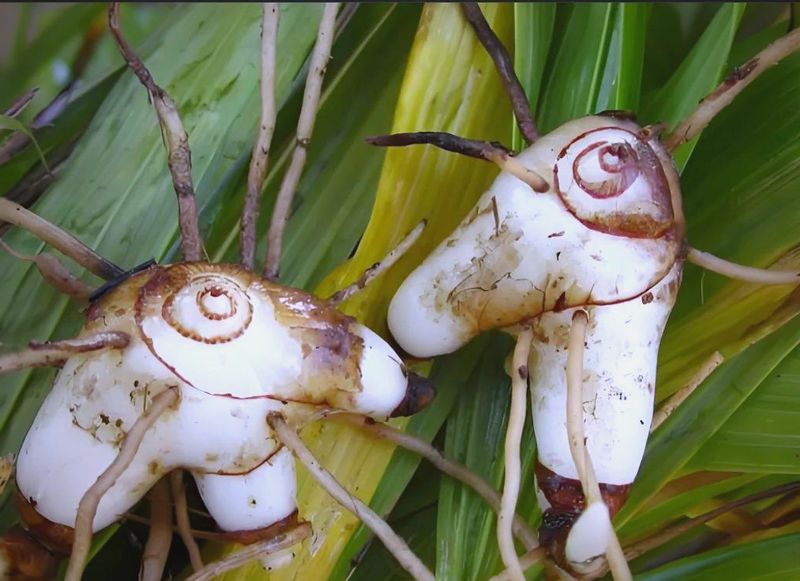
The roots of the platinum are tender and the soil is demanding, and the “plastered soil” “salin soil” is not good enough to feed it, and it has to be “spread, fertile, ventilated and drained acidic soil”
Soil texture: it is advisable to mix the soil with a ratio of 21:1 on the ground of decaying leaves, lands, river sands, which are soft and can save water fattening and make it difficult to accumulate water; it can also add a small amount of decomposition or organic manure to the soil, increasing soil fertility and helping root growth
Soil acid alkalinity: white poachers prefer micro-acid soils with ph values between 5. 5 and 6. 5, which, if soil is alkaline (e. G. Soil in the northern region), can be pre-sprayed with sulfur powder or diluted vinegar water to regulate soil alkalineity; if soil is too sticky and water is easy to accumulate, it can lead to white poaching. Roots rot, which can be mixed more with river sand or pearl rock and increase air permeability
Water: to "wet" but not "water builder"
The white man likes the wet environment, but most afraid of “drying”, water is more dangerous than water
Soil moisture: the most suitable humidity is to keep the soil “wet or wet”, to hold a piece of soil by hand, to squeeze the earth without dripping water, and to break it loose and touch it lightly; water is usually poured once in the spring and autumn, with high summer temperatures, 1-2 days (with the exception of midday), winter sanctuaries, 10-15 days, and not so long as the soil is not fully dry
Air moisture: in addition to soil moisture, air moisture is also important, especially in dry spring or winter, when low air moisture leads to a dry tip of the leaf, where sprayers can often spray water around the leaf (not directly on the root), maintaining air moisture at 60-70 per cent
Drainage is critical: whether the plant is a plant or a plant, it has to be drained – the bottom of the plant has to have a few more drainholes, the ground is to be chosen for a slightly higher and lower-lying area, and during the rainy season, the ditches are to be dug and drained in time to avoid rain from the roots
V. Altitude: higher altitude is more appropriate, lower altitude is cooler
Many are unaware of the fact that the white plume was originally grown in mountainous areas and that there were certain requirements for altitude, with different management priorities for cultivation at different altitudes
Altitude appropriate: the temperature, humidity and light in the area that is most suitable for white luminous growth is between 800 and 2000 metres. The white luminous roots that are grown are full and of good quality, such as the mountains of yunnan, guizhou and sichuan, which are the main areas of high quality white luminous production
Low-altitude cultivation: if planted below 500 metres above sea level, summer should focus on cooling because low-altitude areas have high temperatures and strong light, making it easier to “summer” the white accelerator, which can simulate high-altitude cooling environments through sun-covering nets and precipitation; and in areas with high altitude (more than 2,500 metres), where winter temperatures are too low and white ash is prone to freezing, which needs to be pre-covered with warm membranes or straw to help with winter
Wrap-up: remember the key points of "temperature, light, soil, water, altitude"
The core of the living white luminous species is the adaptation of the management approach to the local environment around the five requirements of “temperature 20-25°c, diffuse light exposure, micro-acid pine soil, wet irrigated water, 800-2000 metres above sea level”. For example, the northern species need to pay attention to soil alkalinity and winter temperatures, while the southern species need to pay attention to summer shades and rainy season drainage. If you can see these little spleen, the white guacamole can grow, and it's not a problem to harvest high-quality roots later。