


In the twenty-first century, the economic coverage of a reporter, wang feng, following a lead poisoning incident at a kindergarten in tian shui, enhanced food safety checks are necessary, and it is more important to guard against the recurrence of similar incidents. From 2 july, it was reported that the market control authority of tian shui city, gansu province, had carried out a special food safety inspection and sample testing of all district schools and kindergarten canteens。
The gross enrolment rate in preschool education in the country has reached 92 per cent, i. E. The percentage of children in preschool education (without age) in the country's 3-5-year-old age group is as high as 92 per cent, and in many places children eat three meals a day in kindergarten, so kindergarten food safety is no small matter. At present, some kindergartens do have high standards for food safety management, such as for three-coloured pasta and corny rolls, where half-finished, pre-fabricated foods are not allowed for heating and can only be made by cooks themselves. Instead of yeasts, no food additives are added. The pasta is from the food itself, yellow is from pumpkins, and spinach is from green. The director of the logistics of a kindergarten in haidian district, beijing, told economic reporters in the twenty-first century that the food additives for legal compliance were actually allowed to be used, but that the kindergarten was required to set up a specialized safe house, which was purchased and managed by individuals, and that each dose used was registered and not exceeded the standard. “the kindergarten does not add any additives for insurance purposes. This is not a kindergarten 's lazy behaviour ' , but rather a kindergarten that takes young children's health first, pursues only food and nutrition ratios, and does not pursue fancy `selling'.”
The problem, however, is that food safety management standards in kindergartens are not uniform in different places. In order to implement the concept of “health first”, it is necessary to implement and promote the highest food safety standards for kindergartens. Many kindergarten managers interviewed by economic journalists in the twenty-first century believe that the promotion of the highest food safety standards in kindergartens does not add excessive additional operating costs to kindergartens, create excessive implementation thresholds, and promote the highest food safety standards in kindergartens. The system is fundamental, the personnel are the core, and regulation is the key。
The most stringent food safety standards for kindergartens are institutionalized. The kindergarten food procurement and acceptance system is the first line of defence to ensure food safety. In some cases, a uniform system for the procurement of food items for primary and secondary schools has been introduced, and the authorities responsible for education, market regulation and so on have established a pool of food suppliers, which is tantamount to closing one in order to ensure food safety and then selecting suppliers from the library. The procurement and acceptance system focuses on the construction of a comprehensive, detailed and transparent procurement system, giving priority to suppliers with good reputation, legal qualifications and high-quality products, and setting specific standards for the quality of food items, each of which requires detailed quality reports and certification, which can be traced。
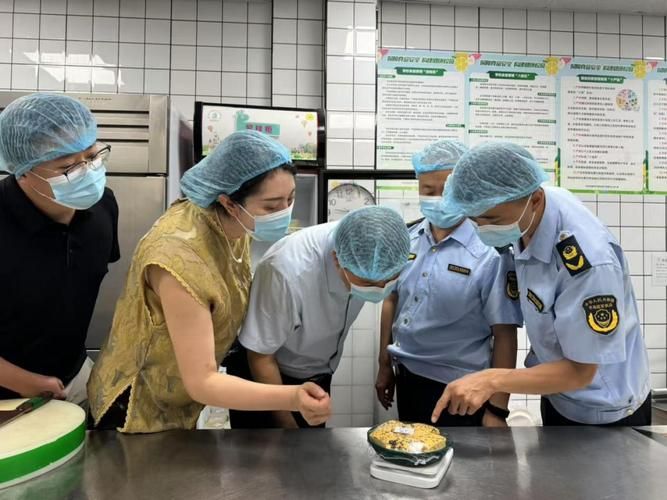
More stringent systems also need to be implemented by people, especially in the management of food safety in kindergartens. In particular, which ingredients are vulnerable to lead poisoning, not by routine checks of whether the vegetables purchased are fresh or whether the rice flour oils exceed the shelf life, but require expertise and experience. The regulation on the supervision and regulation of food safety mains in the food safety unit, which is in force since 15 april, places special emphasis on food safety in schools and kindergartens under the responsibility of the head of school and kindergarten, and defines the duties of food safety supervisor and food safety officer. The above-mentioned list of responsibilities of the superintendent of food safety in the haiti district kindergarten in beijing provides that the inspector general of food safety “has the expertise to identify and control the corresponding food safety risks”, which requires regular and systematic food safety training and appraisal of the personnel concerned。
Kindergartens have primary responsibility for food safety, but supervision from the competent authorities and related parties is essential. The supervisory authorities should establish a rigorous system of access to ensure food security for young children at source, establish clear food safety management standards, conduct regular inspections of kitchens and canteens in kindergartens and closely monitor food procurement, storage, processing and backup, and strengthen cross-regional inspections by different local authorities to avoid law enforcement authority rent-seeking. Third-party supervision fills the regulatory gap, parents of young children and society at large are highly concerned with food safety, and kindergartens should be more open, parents should be allowed to enter the garden and kitchen on an irregular basis, experience and monitor kindergarten meals and strengthen home-based communication on food safety。
For more, please download the 21 fyapp



