How do you grow cabbage
Empty cabbage is a fast-growing, nutritious and viable vegetable that is popular with a wide range of consumers. It is delicious and nutritious, and it is a well-nourished and healthy meal. Here, we will present you with the specific methods and care for the gardening of cabbage。
I. Bone construction
First of all, before planting open cabbage, the corresponding skeleton should be built. The sheds are usually made up of steel plates and require support, binding tools, etc. The following points need to be noted when constructing the skeleton:
The huts should be set up in areas with sufficient sunlight, flat terrain and good drainage。
In order to determine the size of the sheds on the basis of actual circumstances, it is generally more suitable for small farmers in general to grow about 50 m2。
In the construction of the skeleton, the location of the vents and wind wings should be adjusted appropriately in accordance with the location of the sheds, light, air flow, etc。
When constructing a skeleton, suitable support structures, such as truncable poles, should be selected according to the type of tree planting。
The binding tool is to have a strong red belt and ensure that it is tight and solid。
Soil preparation
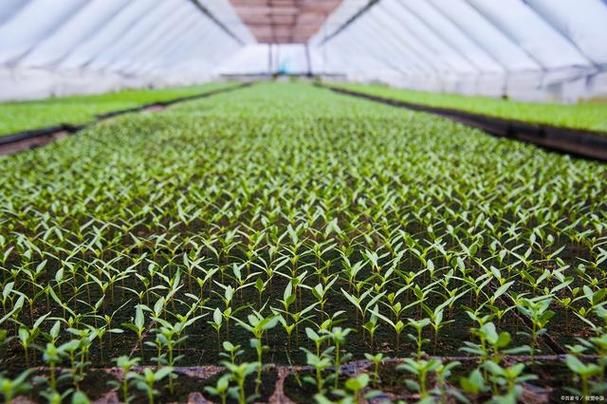
The empty root of the shed prefers permeable soil, which is more demanding. Before planting open cabbage, the soil needs to be thoroughly organized, levelled and organic fertilizers added where appropriate. This will be done as follows:
Weeds, branches, etc. On the floor of the sheds are removed and the surface soil is loosed。
Deep tillage is carried out, the soil is torn down and made more accessible。
Add appropriate amounts of organic fertilizers to ensure soil fertility。
The soil is organized according to the density and manner of planting of open cabbage。
Child breeding
Vacant cabbage cultivation is generally carried out by shifting cultivation. Before doing so, we have to start with seedlings by:
Pre-selection of seeds of good quality and leaching is done in accordance with the timing of the planting of open cabbage. In general, water immersion is used to place about 6-8 hours of water so that seeds absorb moisture and sow。
It is selected for seed breeding using symmetrical, healthy, pest-free seeds. Seeds are placed in a nursery, covered with fresh membranes, and placed where indoor temperatures are appropriate for seeding。
Care is taken to be humid during nursery time to prevent internal temperatures from being too high or too low and to open windows for air in due course。
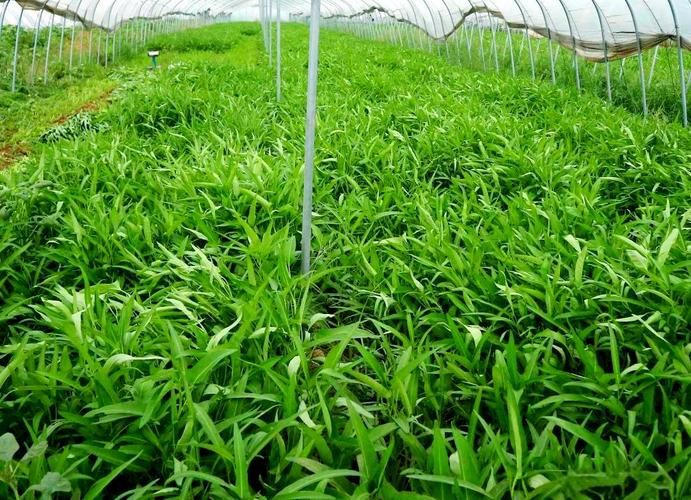
After the seed has sprouts and has grown at a certain altitude, planting is carried out with attention to the loose soil and the appearance of the root of the ball, which should not be over-compressed and properly watered after transplantation。
Cultivation
There are a number of ways to grow open cabbage. Different forms of cultivation require attention to the following:
Single-scale farming: in monoculture, the cultivation density is relatively high and suitable for smaller sheds. Each seedbed is grown about 34 metres long, each column has a width of 1. 31. 5 metres and the planting depth is controlled between 45 cm and the two branches are approximately 3035 cm apart. In addition, the first seedbed is suitable for drinking water, so as to dry the floor and prevent soil erosion. After planting, water is poured every two days, taking care of the water。
Double-branding: double-branding allows for the full utilization of shed space and is suitable for relatively large areas. The nursery bed is approximately 56 metres long, with a width of 11. 2 metres per column, and the planting depth is between 56 centimetres, with a distance of approximately 5060 centimetres per plant and a distance of about 1. 5 to 2 metres between the two columns horizontally, with water being poured every two days after planting, bearing in mind the water ratio。
Three rows of cultivation: three rows of cultivation are suitable for long single-line huts. Cultivation is relatively high, with a distance of about 2030 cm per plant. Each bed is about 78 metres long, each column is between 1. 31. 5 metres width, each column has a space of less than 3 metres between poles, and three plants are grown in each row, usually between 1. 52 metres. Water is poured every two days after planting, taking care of the proper amount of water。
Management
The following points need to be noted during the growth of cabbage:
Temperature management: the right temperature contributes to the healthy growth of the empty cabbage in the shed, where the temperature is too different and suitable for ventilation to cool. When the temperature is too low, it affects its growth and quality; when the temperature is too high, it can cause burns to the leaves and affect the quality。
Light management: blanche cabbage requires plenty of sunlight to grow well. The opening and closing of wind panels and top windows can be appropriately adjusted to allow adequate sunlight to be irradiated。
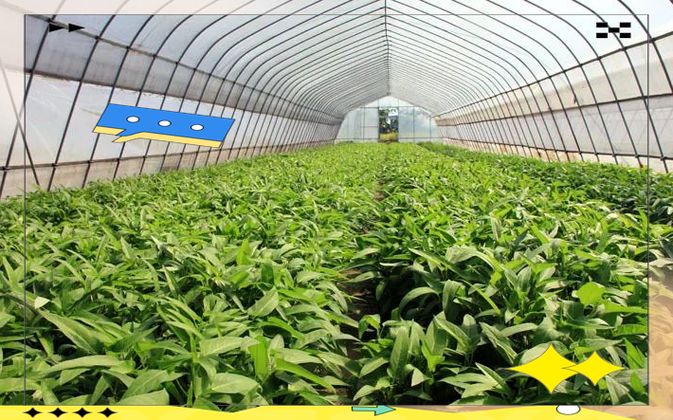
Pests and pests: vacuum cabbage is more sensitive to pests such as red spiders, and it is also necessary to regularly arrange spray and virus control spray applications such as protection of the membranes, nets, etc。
Water-water management: there is a high demand for water from open cabbage, regular watering and appropriate water-watering techniques and quantities。
Fertilizers: appropriately applied fertilizers and organic fertilizers, depending on the type, growth stage and planting density of the cabbage, to ensure the nutrient supply of the cabbage。
Vi. Access
The growing cycle of open cabbage is generally around 40 to 50 days, and as the growth cycle moves, the leaves of the open cabbage grow older and need to be picked in a timely manner. The following should be noted in the extraction:
A smooth, clean, insect-free leaf is selected for extraction。
When picking, the leaves shall be cut on the basis, with the proper weed or mower, and be careful not to cut to the handle。
Once the extraction is completed, the residuals are cleaned up in a timely manner and the interior of the shed is kept clean。
In the light of the above, the technology for the cultivation of open cabbage requires attention to seed selection, soil preparation, seeding, planting, management and harvesting, which can only be ensured by strictly following the above steps。