The bouquet is green in our usual indoor pelvis, but you know it's flowering, and it's fruit and seeds. Have you ever seen them? How do you plant them? Let's look at the unknown side of the tree。
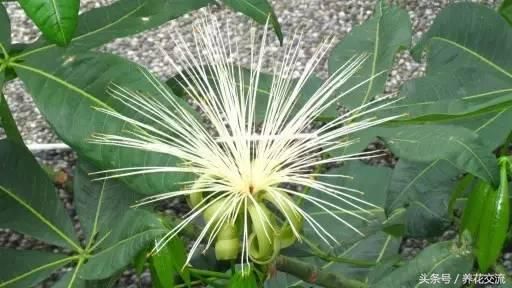
♪ flowers of the rich tree ♪
The tree, originally known as "malaba chestnuts", is a large tree that can grow 18 metres high in its native land and is very strong。
And it can produce extraordinary flowers, with long white petals, 15 centimetres long, and orange radiant, as bright fireworks。
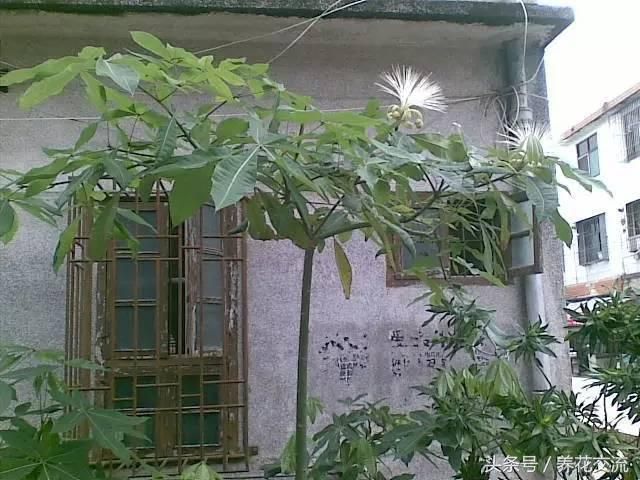
But these are in the tropics, which are already a plant that likes warm and wet environments and that likes plenty of light。
After a day or two of flowering, white petals turn yellow, so trees give the impression of double-coloured bouquets. Eventually, the flowers will fall down the branches, just like all the flowers。
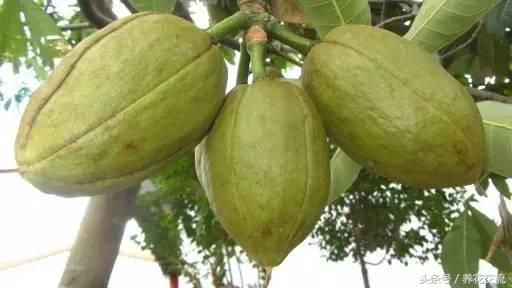
They can also result in the pollination of successful buds, where grown-up bouquets grow hard wood and are edible nuts. Once mature, seeds fall on the ground, waiting for them to be picked up, and golden brown nuts appear attractive。
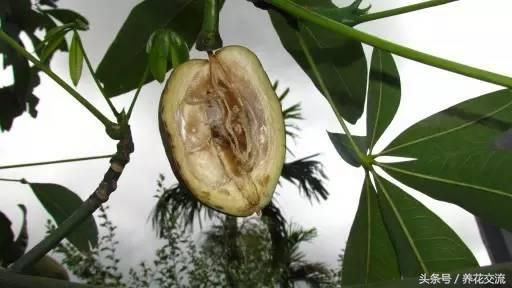
Although they don't smell so strong, the natural parrots love these fruits very much, they like to crush them, and of course we can add them to the bread mix。
In our taiwan, this tree can also bloom, usually twice a year, once in march and again in july。
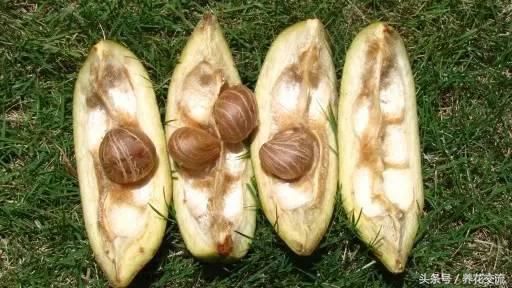
Here are some photographs showing the inside and the outside of the fruit, which is so full, isn't it a bit like croissant
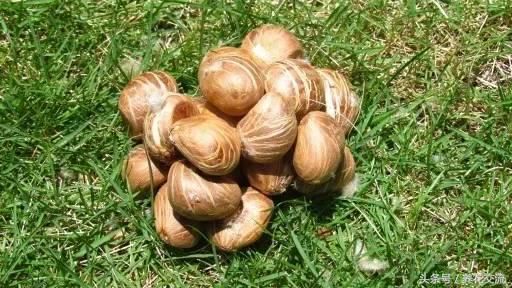
These cores, which can be used directly to sow, can be carried out at temperatures above 20°c, first using less lax soil to maintain a warm and nuanced environment。
They are planted directly into the soil, using peat and pearl rock, or cylindrical rock, which is well nurtured, as long as the temperature remains at 20-25°c and it does not take 10 days。
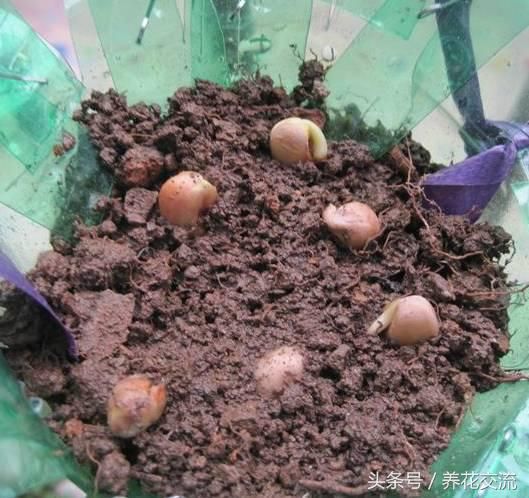
It would be easy to change the basins by keeping them thinly moist, keeping them wet and the air not too dry, preferably with a nursery basin。
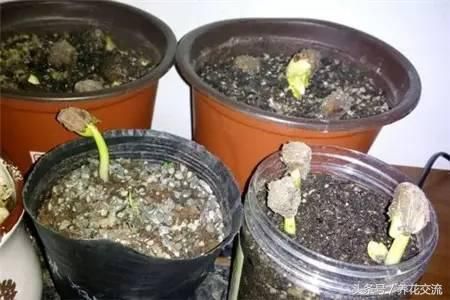
But i'd like to try it. I don't know if it's real