


Potatoes, also known as potatoes, are the country's main food crop, with growing cultivation, and we now have one of the highest potato productions in the world. Potatoes are our common potato crop, usually spring harvests, smaller and harder to grow in autumn, and they are managed in order to produce more potatoes. Let's take a look at the high-yield potato cultivation management techniques with the writer。
1. Selection of high-quality varieties
The choice is based on planting seasons, access and market demand. In the plains, hills and low mountains, it is advisable to choose medium-toms, such as no. 5, no. 1, no. 1, no. 10, no. 13, no. 13, no. 14, no. 9 and no. 9 in the high mountains and no. 2 mountains。
2. Scropping in due course
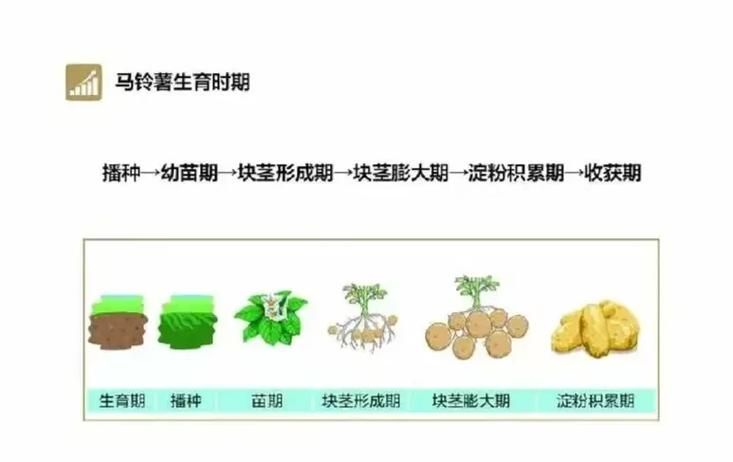
The winter sowing of potatoes in plains, hills and low hills is suitable for the end of december until the first half of the following february (with a view to avoiding cold freezing after seeding and to delay sowing as much as possible). The broadcasting period in high mountain areas is pre-empted or delayed, as appropriate, depending on the impact of snowfall. The planting depth is 8-12 centimetres, with 15 centimetres to be soaked in such varieties as fiuri。
Three, foot fattening
Potatoes have the highest levels of potassium fattening, followed by nitrogen, and phosphorus, with 3000 kg of fresh potatoes produced in acre, absorbing 16 kg of nitrogen, 6. 5 kg of phosphorus and 32 kg of potassium. For winter potatoes, covering the membranes, which are not easy to fatten, a one-time application of foot bottom fertilisation is required, with a corrosive acre application of around 2,000 kg for mature farmers and 100 kg of special compound fertilizer (16:13:16 or 17:6:22) for common circa fertilizer, 15 kg of urea and 20 kg of potassium sulfate. Farmer fertilizer and urea are used in a combination of cropping, which is fully mixed with the cultivated soil. Appropriate additions to trace elements。
4. High-strength cultivation techniques
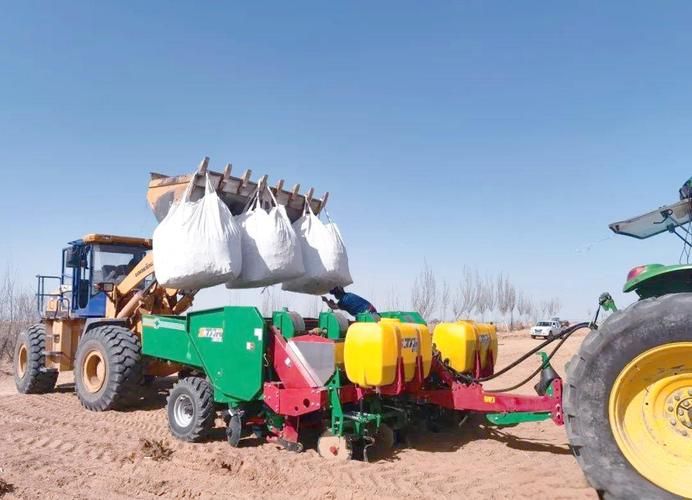
In areas suitable for mechanization, mechanization is recommended. Areas such as plains, hills and low hills can be moderately developed to cover the cultivation of potatoes with diaphragms (capable + membrane) or trimbranes (big arch + small arche + membrane), with early maturity until mid-april, with high prices and high returns。
5. Disease and grass prevention
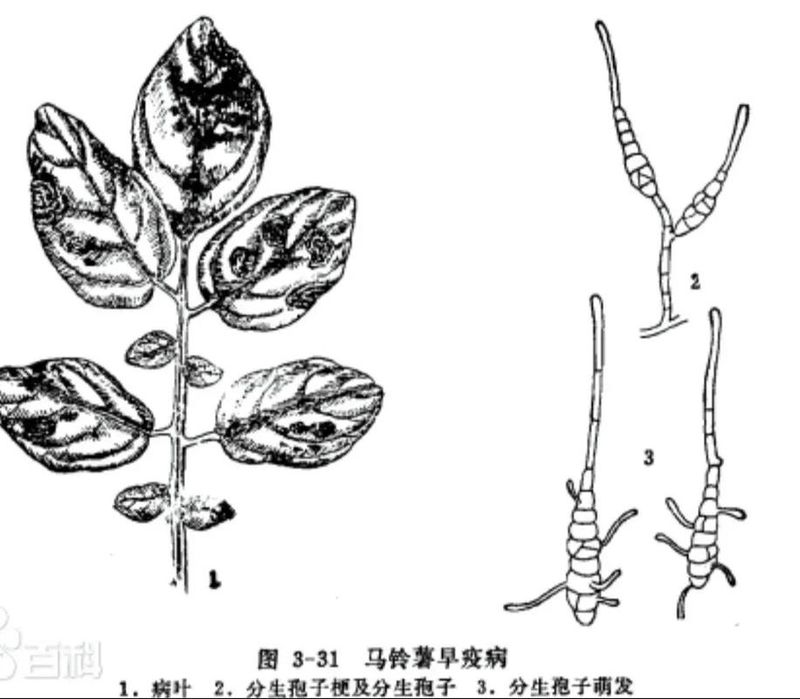
The prevention and control strategy is “preventive and integrated” and focuses on the prevention and treatment of the soybean plague. Precautionary preparations are available for 70 per cent of the manganese-wettable powder, at 175-225 grams per acre, etc. Treatments are selected for the field where the disease has occurred, using 68. 75 per cent of silver flue (fluorinated fungus fross) 60-75 ml at an early stage of the disease, or 76 per cent of glu (frost zinc) 100 g for spray control。



