1. Altitude: easing from high altitude to low altitude and high latitude to low latitude is easy. 2. Climate needs to be appropriate: quotes need to choose climate conditions that are similar, temperatures close and rainfall similar. 3. Selection of suitable varieties: when seeding, attention must be paid to the length of the reproductive life of the species and to the need to introduce pre- and medium- and pre-literate varieties with a view to harvesting them before the temperature rises; early detoxification of the seeding of potatoes is introduced, so that there is little time for detoxification and less chance of re-infection。
I. Attention to the seeding of spring potatoes
One, watch your altitude
Tests have shown that seeds from high altitude to low altitude and high latitude to low latitude are easy to succeed. This is due to the long-term low temperature of high-altitude and high-latitude potatoes, the mild infection and slow degradation of the potato tubers, leading to low-altitude and low-latitude cultivation, which generally perform well and have a high success rate。
2. Climate appropriate
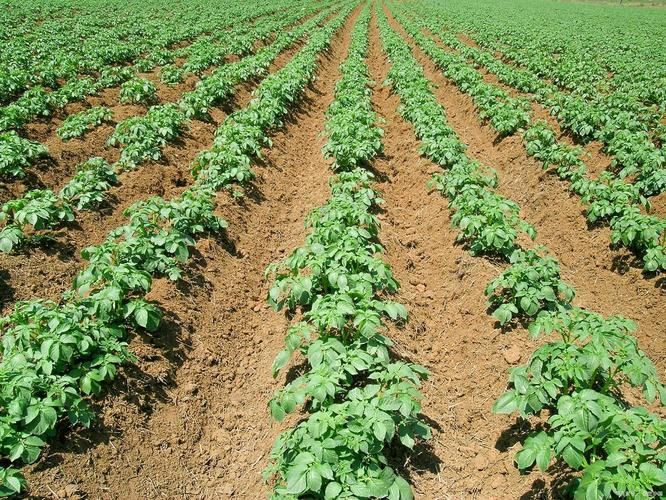
Long-range seeding depends on the proximity of the introduction of land to the country of origin to climatic conditions, i. E., the similarity of the climate in the same season, or the similarity of the climate in different seasons, such as winters in the south and summers in the north, where temperatures are close and rainfall is similar. In this way, the introduction of varieties is easy to achieve。
3. Selection of suitable varieties
(1) potato light, sensitive to light. It is introduced from long-sun-lighted areas to short-sun-ray areas, often without flowers, but with little effect on the growth of underground tubers. However, short-day-photo varieties are introduced into long-sun-lighted areas, sometimes without potatoes. Temperatures are very relevant for potato growth, especially during the potato season, and if soil temperatures exceed 25°c, the tubers will largely stop growing. It is therefore recommended that seeding be done with regard to the length of the reproductive life of the varieties, with the introduction of pre-maturized, medium-maturized varieties and the harvest before the temperature rises。
(2) a viral disease is the main cause of the degradation of the potato species, which destroys the proper functioning of plants, even if other conditions of growth are met, the plants cannot grow well and a severe reduction in production is inevitable. In contrast, detoxicated potato cultivation is based on well-developed roots, strong absorptive capacity and thick leaves, generally increasing by more than 30 per cent。
(3) premature detoxification is to be introduced: early detoxification is short, re-infection is low, post-plant incidence is very low, robust and productive compared to late detoxification. Secondary or tertiary detoxification is generally used for the production of commercial and processed potatoes. In the case of seeding or acquisition, the formal seed business and the scientific research sector are selected. At the same time, it was asked which site the potato crops were purchased and whether there were “seed certificates”, “seed quarantine certificates” etc。
Technologies for the cultivation of spring potatoes
1. Soil selection
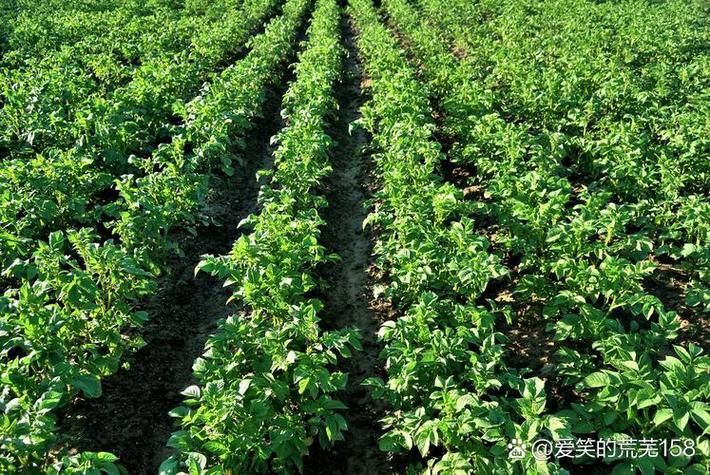
The choice of potatoes is highly adaptable and the requirements for soils are largely ablaze, as root oxygen consumption during potato growth is much greater than for other crops (5 - 100 times greater than for the normal crop during trough formation) and the expansion of the tubing requires soil ablaze and less stringent requirements for soil alkalineity, ranging from ph5. 0 to 8. 0. It is therefore appropriate to select either high-lying, soil laxation, deep, easily drained, fertile sand or border soil。
2. Selection of excellent varieties
Premature, high-yielding and disease-resistant drug-free species should be selected. The seeding requires a full, medium-sized, skin-skinned, thin, sprouted, full of chips, disease-free and insect-free, strong potatoes of 25-50 g in size。
3. Seed treatment
The first is to tan the potatoes for 2-3 days in the sun, 3-4 hours a day, and remove the sick and bad potatoes. The use of whole potato seeding, large potato slices, and the drying of cut seed blocks in the sunlight are promoted, followed by the insertion of 4-8 per cent methyl tobuzin or polybacterium homogeneation with grass ash to facilitate the healing of the incision。
4. Fertilizing the whole area
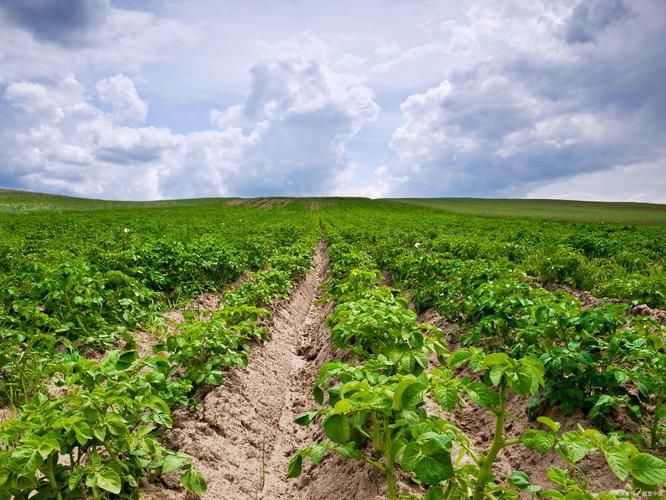
The absorption ratio of potatoes to nitrogen, phosphorus and potassium nutrients is 2. 5:4. 5, with the highest intake of potassium, which is supplied mainly by organic fertilizers。
5. Imaging in due time
In mid-march, the local temperature of 250 px stabilized at 3-5°c, covering the surface with a membrane cover, crushing the earth's membranes with fine soil around it, pressing a piece of soil every 2-3 metres, preventing wind damage to the membrane and affecting temperature protection。