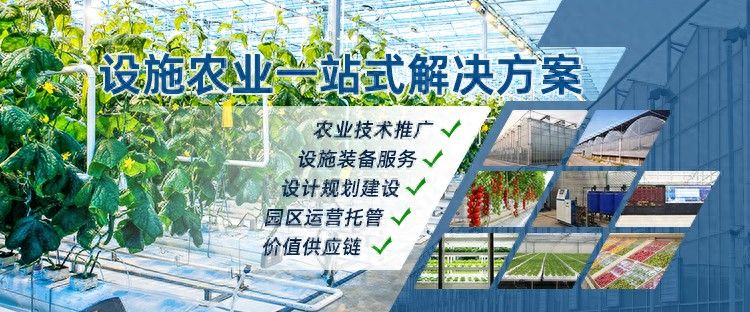
In modern agricultural production, greenhouses can provide a relatively stable growth environment for plants, reduce the adverse effects of external climatic conditions, prolong the growing season of crops and even achieve counter-seasonal production. Understanding the types of greenhouse sheds is essential for choosing the appropriate agricultural production model. This paper presents the most common types of greenhouse sheds。
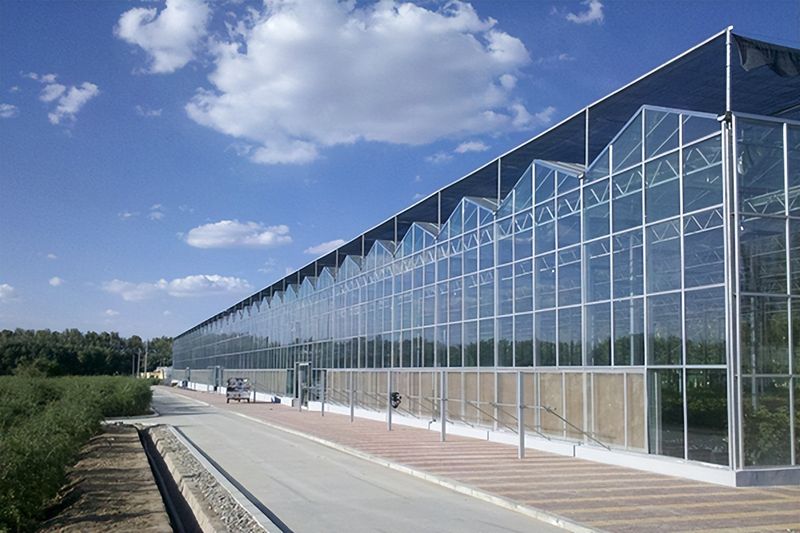
I. Vunrol composition room
The venro greenhouses, which were introduced from vanlo (fenlo) in the netherlands and initially used for the cultivation of high-value crops such as flowers, are the types of greenhouses currently used in the production of plants such as vegetable vegetables, flowers, etc., which are suitable for stereoculture, scientific teaching, recreational tours, eco-food facilities, etc. The venro greenhouses consist mainly of glass-filled greenhouses, sun-boarded greenhouses, and three types of pc-screen glass greenhouse。
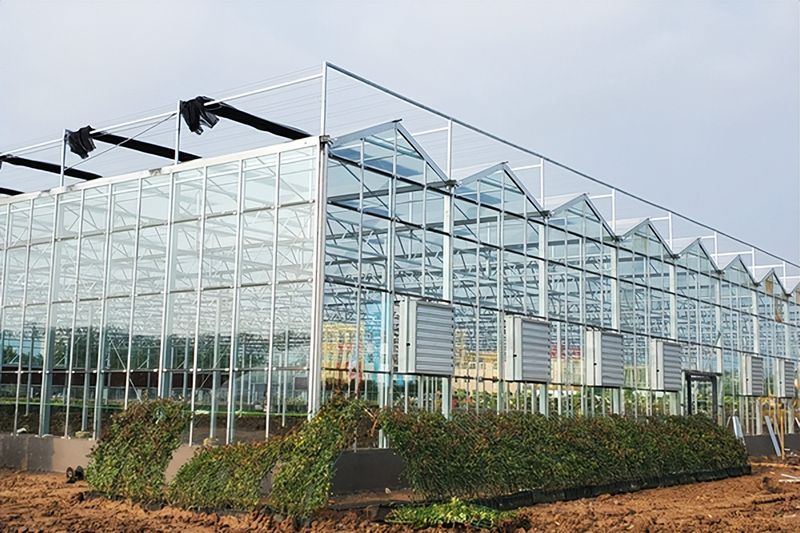
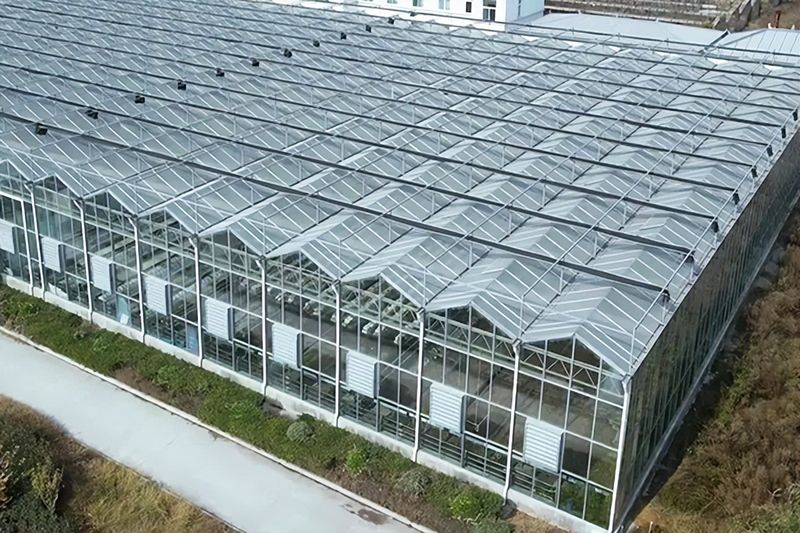
1. Glass complex greenhouses
Glass is used as a cover material on and around the top of a glass greenhouse, typically 6-12 metres across an open space of approximately 4 metres, or a chain structure of 8 metres open。
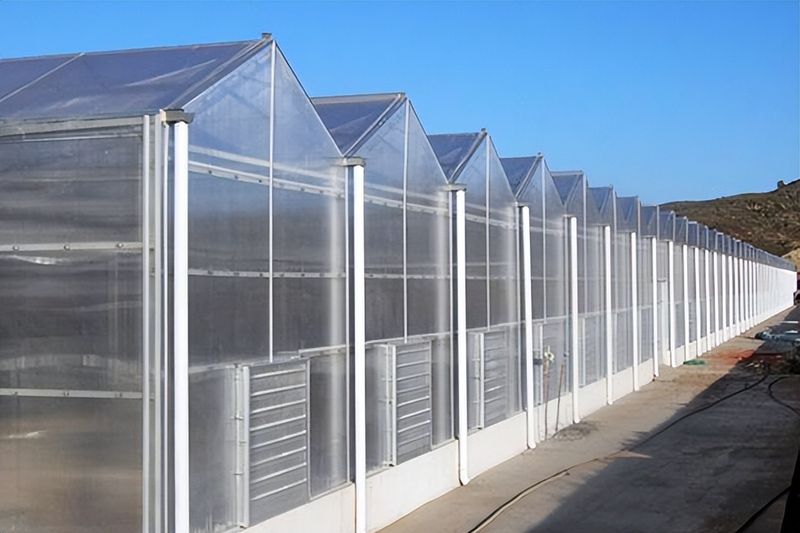
2. Solar panels complex greenhouses
The solar panels and greenhouses are structured in line with the glass-coated greenhouses, except that the top and surrounding covered materials are pc sunboards and the human beams and bars use thermal zinc plating rectangles。
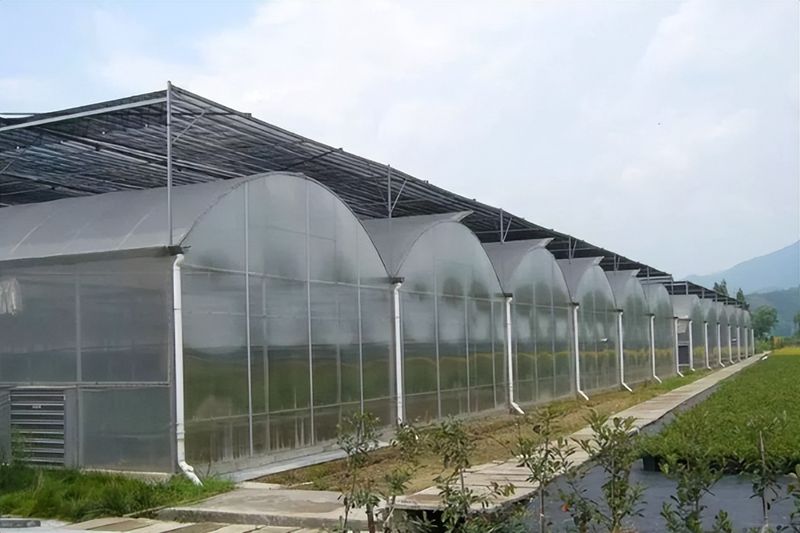
3. Pc - sunboard glass greenhouse
The pc-sunboard glass greenhouse is based on the use of the pc sunboard at the top and glass around it. Smaller self-esteem, stronger snow resistance, easier construction, glass around, good permeability and a lot of beauty。
Ii. Combination greenhouses
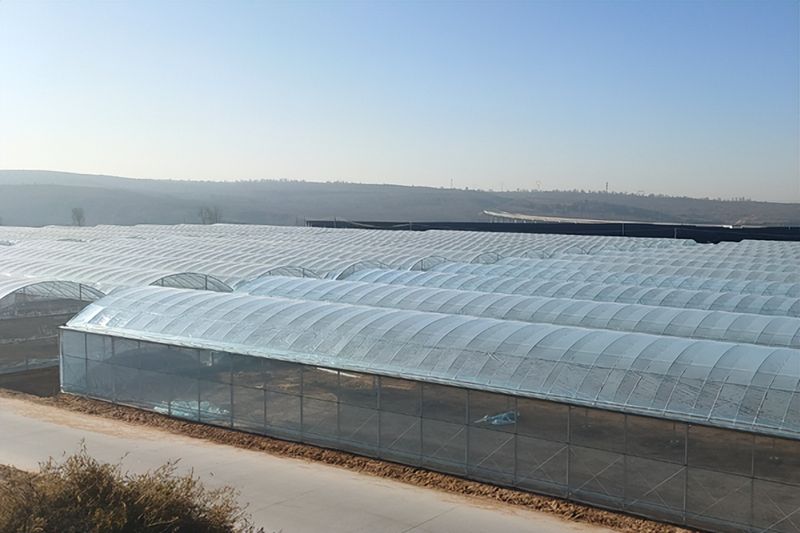
A series of membrane greenhouses
Combining membrane greenhouses are typically two or one arch, multiple arches and rain tanks, a greenhouse type of large-range structure, with the top and surroundings covering one or two layers of thin film. The width is generally 8 m, the openings are typically 4 m and the heights are typically 3 m。
The configured systems consist mainly of external sun-shield systems, internal sun-cover systems, window-opening systems, wind machine wet curtain systems, etc。
Scope of application: cultivation of high-value vegetables, flowers, medicines, edible bacteria, etc。
2. Simple membrane greenhouses
The simple membrane greenhouses are one of a series of membrane greenhouses, with broadly identical structural types and sizes, except for various configuration systems on a complex basis。
Iii. Solar greenhouses
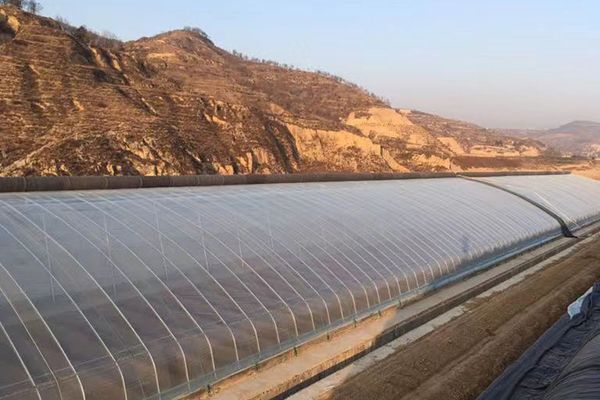
Daylight greenhouses, also known as hot sheds, are a unique type of greenhouses that are not hot indoors in the northern region. They are divided into earth walls, solar greenhouses, brick walls, solar greenhouses, and solar greenhouses for the plate. The low-priced solar greenhouses, high-temperature and energy-saving crops are well suited for counter-seasonal cultivation, such as high-value vegetables。
Iv. Single arch sheds
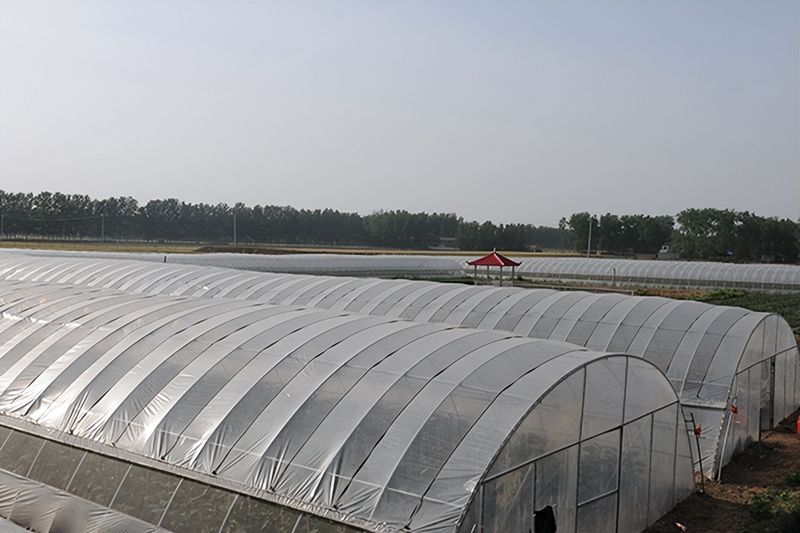
Single arch sheds are also known as arch plastic sheds and spring and autumn sheds, which are less commonly used because of ease of construction and ease of use. It applies to spring and autumn production in cryogenic shacks of steel cisterns; it applies to crop production in winter in the form of a new kind of heat-conserving arch that requires additional temperature protection measures。
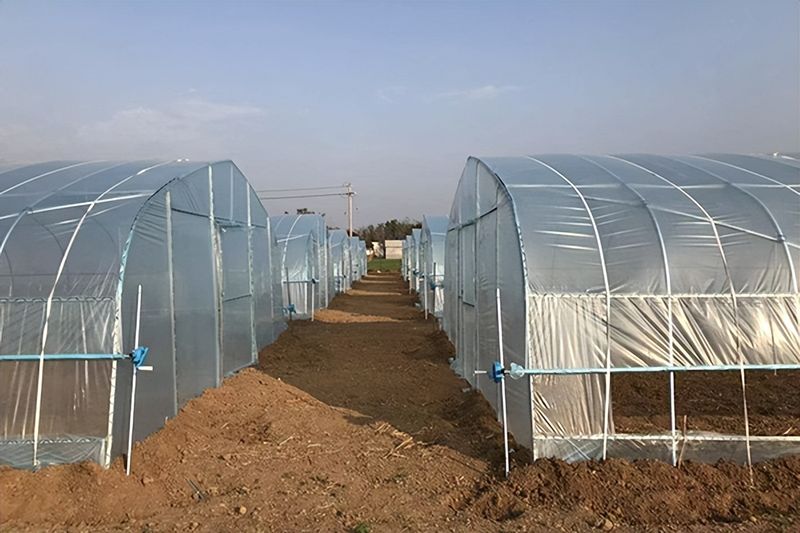
1. Aqueducts of steel pipes
Speculation: this archer typically spans 8-14 metres. The skeletons are fully equipped with a hot zinc plating tube or a truncheon, and there are manual composters and anti-worm nets on both sides of the greenhouse. Low prices, high intensity of thermal zinc plating, non-combustion and high land use。
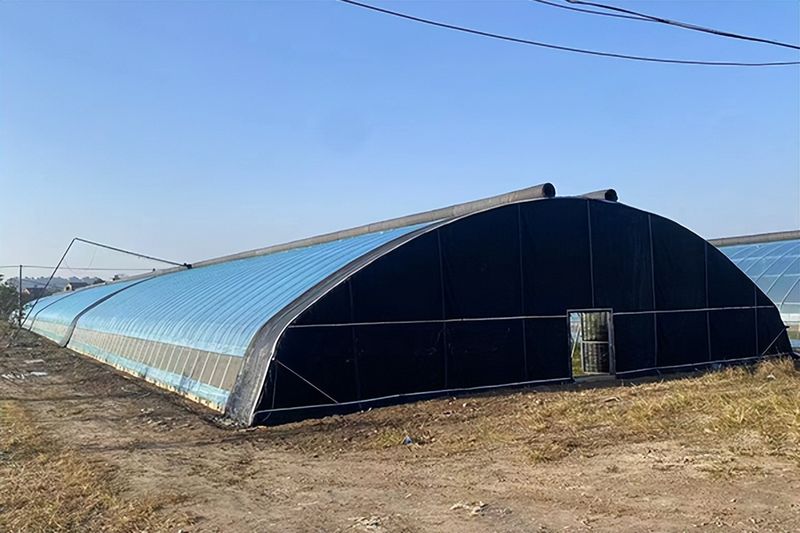
2. New accelerators
The new accelerator sheds have been developed to increase the temperature protection facilities to more than 20 metres in length, and the top-set rolls are covered by the system to increase the temperature protection of the accelerator. The use of space is large and maintenance operations are simple and simple and applicable to all seasons。
As an important component of modern agriculture, greenhouses of various types and functions have been developed according to different agricultural production needs. As technology advances, the greenhouse shed will become more intelligent and efficient in the future, offering more possibilities for agricultural production。