


The fragrance of the fragrance and the fragrance of the fragrances and the fragrance of the fragrances not only eats the fragrance of the back cheeks, but also has high nutritional value, which has been good in vegetables since ancient times. Vitamin c and protein 6-10 g have been determined to be more than 50-60 g per 100 g of sprouts, as well as a wealth of carrots and nutrients of minerals such as calcium and phosphorus. The fragrance also provides thermal detoxification, gastropharmaceuticals, a good inhibition of various strains and a high therapeutic value. The use of greenhouses for condensed plant planting allows high-quality sprouts to be marketed around the new year's spring festival and continues to be harvested until clarity, not only to regulate market supplies but also to significantly improve economic efficiency。
I. Main agrometeorological indicators for the growth of the vanilla
The range of fragrances is wide, and areas with an average annual temperature of 8°c or more can grow with annual precipitation of 500 mm or more. Young trees are less resistant to cold, and at ~13. 4°c, they can freeze to death by more than 90 per cent a year and die by 50-75 per cent in two years. After hibernation, the sprouts begin to move when temperatures rise to 8-10°c, with long leaves drawn above 14°c and new growth occurring very quickly at 20°c. High air humidity and moist soil environment of the aroma. The radiant light is also resistant to weak light, especially in the case of greenhouse sprouts。
Ii. Breeding techniques in the xinjiang greenhouse
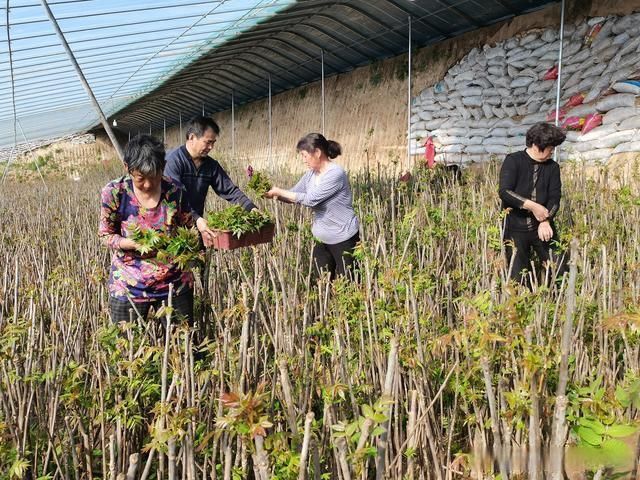
1- fertilizers in the whole field: 30 kg of urea and 100 kg of calcium phosphate per acre, with flat ground, soil fertility, backwind to the sun, easy to drain and drain. The first four or five days before the sowing, the first four or three days after the sowing, and the next two or three days after the sowing, are used to sow。
2. Leaching seedlings: seeds at around 35°c after a day and night, warm water is immersed in a mixture of two times the humid sand, bulging in an environment around 25°c, each day and night, and sowing when about half of the seed embryos grow into small grains an hour。
Seeding: the sun breeds and the yangtze basin can sow in mid-february. Each acre, with a seed volume of 3-3. 5 kg, is spread evenly, covering 12 cm of fine soil, covering the thin film and pressing around it. No water is required for fertilization until seedlings are produced, keeping the inner membrane temperature around 25°c during the day and not less than 8°c at night。
4. Shrimp management: after seedlings are produced, properly ventilated temperatures of 20°c during the day and above 8°c at night. The density of seedlings is in the order of 4 x 5 centimetres at a height of 3-5 centimetres and at a time of time, when the seedlings are watered at a distance of 25 x 30 centimetres, when they are up to 4 to 6 leaves and 10 centimetres above them. Care is taken to pursue nitrogen phosphorus fertilizer once a month, 20 to 40 kg of urea per acre and 25 kg of ammonium phosphate. Keep the soil wet and waterproof for the rainy season to avoid rotting roots. After september, water can be gradually reduced to less so as to boost the stubble, sprout full and increase the resilience to cold。
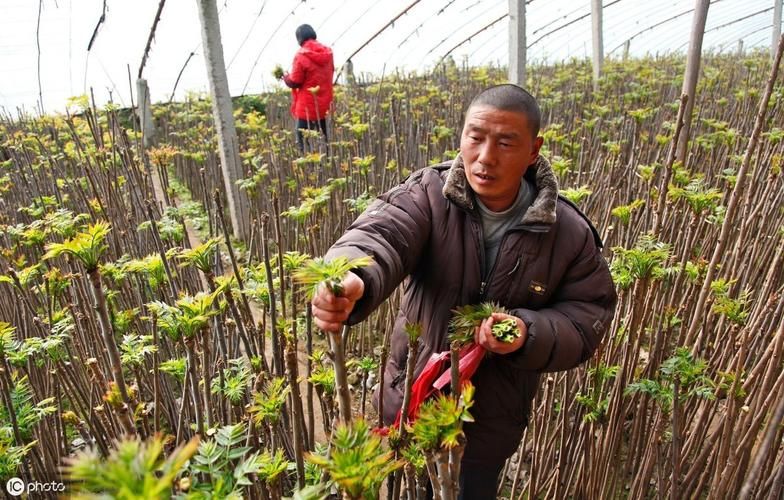
5- shortening precipitating: cardiocre at 40-50 cm height, and grafts when they grow stronger. In order to prevent high-temperature and rain-fed summers, 200-400 times more multi-effect acetylene solution can be sprayed every 10 to 15 days, with two to three more times to promote early cappings and increased tree nutrient accumulation。
Iii. Technology for producing the summit hole
1 transplantation: saplings (with a view to reducing the number of wounds) are formed before the fall frost, graded and planted in the greenhouses, 100-150 per square metre in order of height in the south. After planting, covering 20 to 25 days in order to facilitate the passage of seedlings through hibernation。
Temperature-light management: the temperature room after the lid should be controlled at 15-25°c during the day and must be cooled by ventilation when the temperature is too high; at night, it should be kept at 10-15°c and below 10°c to try to increase the temperature. The production of greenhouse sprouts is largely dependent on the nutrients stored in the tree bodies and is therefore better served by weaker light. The exposure and cover of greenhouse-covered materials, such as grasshoppers, should be determined by the temperature conditions of the room and should not lead to excessive reduction of indoor temperatures for the purpose of luminolysis。
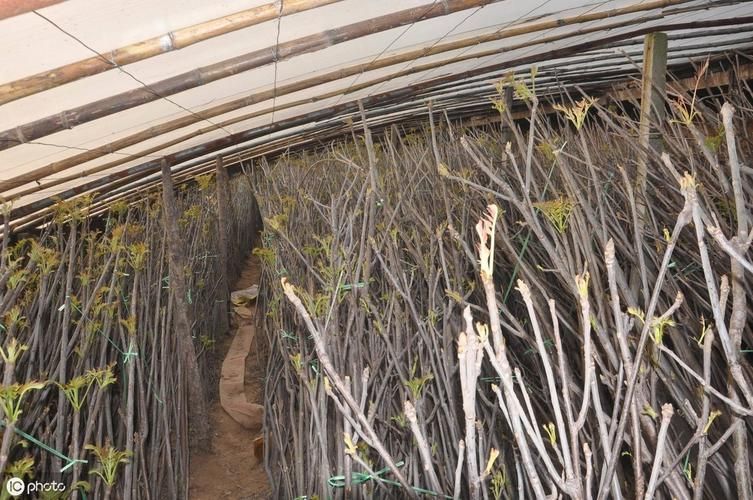
3. Fertilizer management: the relative humidity of indoor air is maintained at more than 85 per cent and water is poured every 10 days or so. After each harvest, fattening is followed by approximately 25 kg of urea per acre, while 0. 3% urea and 0. 3% potassium phosphate water solution is sprayed every 5-7 days。
4 harvesting: the sprouts can be harvested as long as 20 cm, they affect production prematurely and the quality of the late harvest is reduced. The sprouts taken were sealed in plastic bags to prevent water loss。
Post-harvest seedling cultivation
Before and after chongming, the fragrance of the open sea began to come on the market and the greenhouses were no longer suitable for harvesting, and the trees should be moved to the open ground in time for production in the coming year. When external temperatures are stable at more than 10°c, ventilated seedlings are ventilated for three to five days, and the trees are then moved out of the range of 25 x 30 cm to the nursery. It is then flattened, with 10 centimetres raised from the neck in one year, 15-25 centimetres from the second to dry in more than two years, and rising flat heights each year to ensure that the sprouts of the boom are selected. The growth of the gestation is accompanied by increased management of water fertilizers, heart gathering up to 50 centimetres, condensation and control of the strain. (source: tang zhongsheng, china weather service, 30 october 1995)



