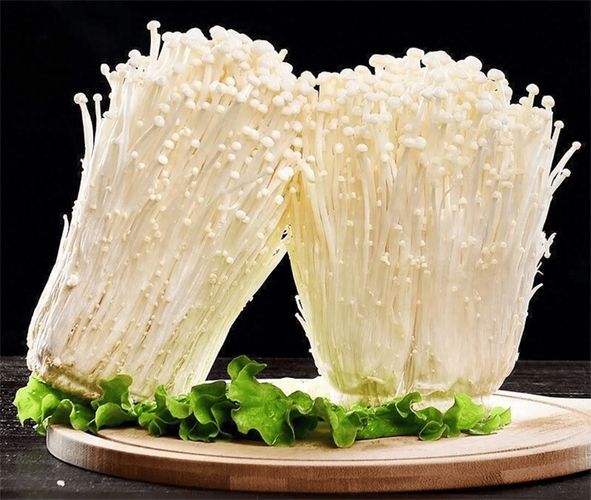
Olenvie, the head of the market for an acre of agricultural b2b service providers, told the press that the price of kimoni mushrooms continued to rise, with changes in supply and demand at the core. “in the last two years, there has been a downturn in gold mushrooms and lower profits, and many production bases, in order to improve their efficiency, have been proactive in adjusting their farming structures and favouring more profitable strains of bacteria, which has led to a proactive contraction in the overall production capacity of the gold mushrooms and a steady reduction in the supply of the primary area.”
On the demand side, there has been a steady rise in the demand for gin mushrooms in scenes such as hot cooks, barbecues, fast foods and prefabricated vegetables in the current catering market; at the same time, the low-fat, nutritionally healthy food characteristics of gill mushrooms have also led to a steady increase in consumption demand.” on the one hand, there has been a steady contraction in the supply of land and, on the other hand, a steady increase in demand, which has led to the current tightening of the supply of golden mushrooms.”
Market demand-side policy support is expected to keep high
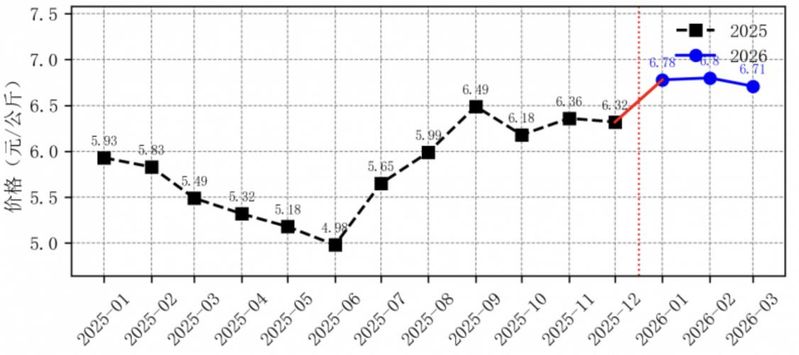
Investors are concerned about the continued high-level maintenance of the golden mushrooms landscape
In the short term, associated press journalists have noticed that, in general, the food consumption habits in our country, compared to the first, third and fourth quarters, are usually less expensive than the first, third and fourth quarters, with prices at the lowest point in the year. At this time of spring and summer, when fresh vegetables are heavily marketed and cheap, they have a strong alternative effect on the consumption of bacteria; at the same time, high-temperature weather inhibits the demand for food-style foods, such as hot pots, barbecues and other foods, which feed mainly the fungus, leading to excessive supply and demand. Green and snowfish species recorded a loss in their net earnings to the mother in the single quarter of 2020-2025, with more seasonal fluctuations。
O'leonvie also stated to the press of the federation that “golden mushrooms are the product of a whole process of artificial factory culture, which is influenced very little by the natural climate, the growth cycle, and are more dominated by changes in market consumption habits and patterns. The prices of vegetables are usually determined by the market, with warmer weather in march, the concentration of vegetables on the market in large quantities of fresh water, large variety, affordable prices, more options for consumer markets and catering, diverting some of the consumption of mushrooms, leading to a slight weakening of prices.”
According to analysts, during the previous two years, there had been a tightening of supply throughout the industry, as many growers had been taking the initiative to contract production capacity or to replace more profitable strains. As a result of this rotational capacity adjustment, the supply-demand relationship is slowly restored, and the wave will continue to be better than the short-term temporary increase。
O'leonwie also argued that “the present production enterprises are rational, do not increase production on a large scale blindly, do not quickly change the overall supply-side bias, while demand is steadily increasing, and prices, if at all, are normal seasonal adjustments with limited space for decline. The second half of the year is cold, hot pots and boilers are warmed up, and the golden fungus rises.”
It was also noted that the prices of the main foodstuffs of the foodstuffs had risen significantly as the capacity for the food-bacterium production had been reduced and the seasonal price of the vegetables had increased significantly, with the expected continuation of the air levels of the main foodstuffs。
It is worth noting that the policy context also supports the golden mushroom industry。
Prior to this, the plan for accelerated agricultural power building (2024-2035) explicitly stated that “the development of biotechnologies, bioindustry, expansion of the edible fungi industry, and promotion of the industrialization of synthetic organisms” and a 2025 document proposed the construction of a diversified food supply system. (b) to develop food resources in all ways, in accordance with the concept of agriculture and food. Promoting efficiency gains in the edible bacteria industry。